








1. Introduction to MWM Diode
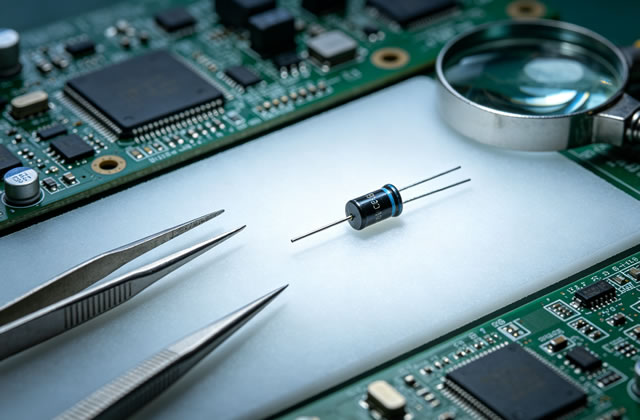
MWM diodes are high-performance, industrial-grade electronic components widely used in power systems, laser equipment, communication infrastructure, medical devices, and industrial automation. As core components for current regulation, signal conversion, and power protection, MWM diodes directly affect the stability, efficiency, and service life of the entire equipment system. Regular maintenance and professional repair are essential to avoid unexpected failures, reduce downtime, and ensure safe and reliable operation.
Unlike standard diodes, MWM diodes are designed for heavy-duty working conditions, featuring high current tolerance, strong heat resistance, and long-term durability. However, continuous operation, environmental factors, voltage fluctuations, and improper use can still lead to performance degradation or complete failure. This guide provides a detailed, step-by-step framework for daily maintenance, troubleshooting, standard repair procedures, and long-term reliability management of MWM diodes.
2. Daily Maintenance of MWM Diode
Daily maintenance is the foundation of extending MWM diode service life and preventing sudden failures. It focuses on cleaning, inspection, environmental control, and performance monitoring.
2.1 Regular Cleaning
- Use a dry, lint-free cloth or compressed air to remove dust, oil, and debris from the diode surface and surrounding components every week.
- Avoid using wet cleaning agents directly on the diode; damp cloths must be fully wrung out to prevent moisture intrusion.
- Clean cooling fins, heat sinks, and fans connected to the diode to maintain optimal heat dissipation.
2.2 Visual Inspection
- Check for appearance abnormalities: cracks, discoloration, burnt marks, swelling, or corrosion on the diode package.
- Inspect pins, terminals, and solder joints for looseness, oxidation, cold solder, or detachment.
- Verify cable connections are firm and free of wear or damage.
2.3 Operating Environment Control
- Maintain ambient temperature between 15°C and 35°C; avoid extreme high or low temperatures.
- Control humidity at 40%–60% to prevent condensation and short circuits.
- Keep the working area free of corrosive gases, dust, and vibration.
- Ensure adequate ventilation and heat dissipation; avoid blocking cooling channels.
2.4 Performance Monitoring
- Record operating voltage, current, and forward voltage drop regularly using multimeters or professional testing tools.
- Monitor temperature rise during operation; abnormal overheating indicates potential failure.
- Check for abnormal noise, flickering signals, or unstable output that may relate to diode malfunction.
3. Periodic Maintenance (Monthly & Quarterly)
Periodic maintenance involves in-depth testing and component verification to detect hidden risks early.
- Electrical Parameter Testing: Measure forward voltage, reverse leakage current, and breakdown voltage to confirm they meet factory specifications.
- Heat Dissipation System Inspection: Check thermal paste, heat sinks, and cooling fans; replace deteriorated thermal paste quarterly.
- Connection Reinforcement: Tighten all terminals, screws, and connectors to prevent poor contact caused by vibration.
- Insulation Testing: Use an insulation resistance tester to verify insulation performance and avoid leakage risks.
- Record Analysis: Compare historical data to identify performance trends and predict possible failures.
4. Common Faults of MWM Diode and Troubleshooting
Understanding typical failures helps locate problems quickly and reduce repair time.
4.1 Open Circuit Failure
Symptoms: No current conduction, equipment failure to start, no output signal.
Causes: Internal structure damage, broken pins, severe overload, or thermal shock.
Troubleshooting: Use multimeter in continuity mode; infinite resistance in both directions confirms open circuit. Replace diode immediately.
4.2 Short Circuit Failure
Symptoms: Overcurrent, tripping, overheating, burnt smell, blown fuses.
Causes: Reverse overvoltage, overcurrent impact, thermal breakdown, or moisture-induced short.
Troubleshooting: Multimeter shows low resistance in both directions. Power off immediately and replace the diode to avoid equipment damage.
4.3 Performance Degradation
Symptoms: Increased forward voltage drop, excessive leakage current, unstable output, reduced efficiency.
Causes: Long-term aging, high-temperature operation, voltage fluctuations, or poor heat dissipation.
Troubleshooting: Calibrate parameters; replace diode if values exceed tolerance limits.
4.4 Poor Contact & Thermal Issues
Symptoms: Intermittent operation, random signal loss, abnormal temperature rise.
Causes: Loose connections, oxidized pins, failed heat sink, or blocked ventilation.
Troubleshooting: Clean contacts, retighten terminals, reapply thermal paste, and repair cooling system.
5. Standard MWM Diode Repair Procedure
Follow this professional process for safe and effective repair:
- Power Off & Discharge: Cut off all power supplies and discharge high-voltage components completely.
- Component Removal: Desolder the faulty diode carefully using a temperature-controlled soldering iron; avoid damaging circuit boards.
- Damage Analysis: Identify root cause (overcurrent, overheating, environment, or aging) to prevent recurrence.
- Replacement Preparation: Select a genuine MWM diode with identical model, parameters, and specifications.
- Soldering & Installation: Solder firmly with correct polarity; apply new thermal paste and reinstall heat sinks.
- Inspection & Testing: Check solder joints, connections, and clearance; perform low-voltage test before full power-on.
- Functional Verification: Restore power, monitor voltage, current, and temperature; confirm stable operation for 30–60 minutes.
- Record & Archive: Document repair details, replacement parts, and test results for future maintenance.
6. Long-Term Reliability & Life Extension Tips
- Use stabilized power supplies to suppress surges and voltage fluctuations.
- Upgrade heat dissipation systems for high-load applications.
- Implement regular maintenance schedules and avoid skipping inspection cycles.
- Store spare MWM diodes in dry, anti-static, and temperature-controlled environments.
- Train operators on correct usage to prevent man-made damage.
- Replace diodes preventively after 80% of their rated service life.
- Use protective devices such as fuses, surge protectors, and current limiters.
7. Conclusion
MWM diodes are critical components in industrial and electronic systems, and their health determines overall equipment reliability. Through daily cleaning, regular inspection, periodic testing, timely troubleshooting, and standardized repair, users can significantly extend the service life of MWM diodes, reduce failure rates, lower maintenance costs, and ensure continuous and safe operation.
Maintenance is not only a remedy after failure but a proactive strategy to improve efficiency and stability. Always follow safety protocols, use genuine replacement parts, and keep complete maintenance records for optimal performance.

