






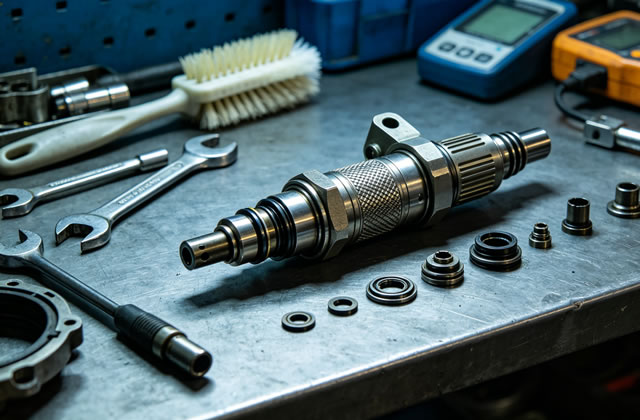
MWM fuel injectors are precision-engineered components designed for MWM diesel engines, widely used in industrial generators, heavy-duty machinery, marine vessels, and commercial vehicles. These injectors deliver pressurized fuel into the engine’s combustion chamber with extreme accuracy—directly impacting engine performance, fuel efficiency, emissions, and overall lifespan. Proper maintenance and timely repair are critical to avoid costly downtime, engine damage, and operational failures.
1. Core Functions of MWM Fuel Injectors
- Deliver precise fuel volume and spray pattern for efficient combustion
- Maintain optimal fuel pressure to match engine load and speed
- Reduce harmful exhaust emissions (smoke, particulate matter, NOx)
- Prevent fuel leakage into the engine cylinder or oil pan
- Ensure smooth engine startup, idle, and full-power operation
2. Common Symptoms of Failing MWM Fuel Injectors
Early detection of injector issues prevents severe engine damage. Watch for these warning signs:
- Rough idle, engine vibration, or misfiring during operation
- Reduced engine power, acceleration lag, or poor performance
- Increased fuel consumption (lower mileage/efficiency)
- Excessive black/white/blue smoke from the exhaust
- Hard starting, especially in cold conditions
- Unusual knocking or ticking noises from the engine
- Fuel leaks around injector nozzles, seals, or fuel lines
- Engine overheating or premature wear of cylinder components
3. Routine Maintenance Schedule for MWM Fuel Injectors
Follow this manufacturer-recommended maintenance plan to maximize injector lifespan:
Preventive Maintenance (Every 500 Operating Hours)
- Inspect fuel injectors for external leaks, corrosion, or physical damage
- Check fuel pressure and verify consistent spray pattern
- Clean injector exterior, mounting surfaces, and electrical connectors (for electronic injectors)
- Replace worn O-rings, gaskets, and sealing washers
- Test injector response time and flow rate
Major Maintenance (Every 2000–3000 Operating Hours)
- Full professional cleaning of injector nozzles and internal passages
- Calibrate fuel delivery volume and injection timing
- Replace all wearable components: nozzles, springs, seals, and filters
- Perform leak-down testing to ensure zero internal/external leakage
- Reinstall and torque injectors to MWM factory specifications
Long-Term Care (Best Practices)
- Use only high-quality, low-sulfur diesel fuel compliant with MWM standards
- Replace fuel filters every 250 hours to prevent contamination
- Drain water separator daily to avoid water damage to injectors
- Store engines in clean, dry environments to prevent corrosion
- Avoid running the engine on low fuel to prevent air ingestion
4. Step-by-Step MWM Fuel Injector Repair Process
Professional repair of MWM injectors requires specialized tools and technical expertise. Below is the industry-standard repair procedure:
- Safety Preparation: Disconnect the battery, relieve fuel system pressure, and clean the engine top to avoid contamination.
- Injector Removal: Disconnect fuel lines and electrical connectors, then carefully remove injectors using proper extraction tools (do not force or damage injectors).
- Comprehensive Inspection: Test injector flow, pressure, spray pattern, and leakage; document all defects.
- Disassembly & Cleaning: Disassemble injectors, soak components in specialized cleaning solution, and remove carbon deposits, dirt, and fuel residues ultrasonically.
- Component Replacement: Replace all worn parts (nozzle, needle valve, spring, seals, filters) with genuine MWM or OEM-equivalent parts.
- Reassembly & Calibration: Reassemble injectors and calibrate to MWM factory specifications for flow rate and opening pressure.
- Testing: Perform pressure testing, leak testing, and spray pattern validation on a specialized test bench.
- Reinstallation: Install repaired injectors with new seals, torque to factory settings, and reconnect all lines/connectors.
- Engine Startup & Verification: Start the engine, check for leaks, and confirm smooth operation, idle, and performance.
5. Major Causes of MWM Fuel Injector Failure
- Fuel Contamination: Dirt, rust, water, or low-quality fuel clog nozzles and damage internal components
- Carbon Buildup: Incomplete combustion causes carbon deposits on injector nozzles
- Wear & Tear: Natural deterioration of springs, seals, and needle valves over time
- Overheating: Engine overheating damages injector plastic and rubber components
- Incorrect Installation: Improper torque or misalignment causes leaks and malfunction
- Lack of Maintenance: Skipping routine cleaning and filter replacements accelerates failure
6. Repair vs. Replacement: What to Choose?
Repair is Recommended If:
- Injectors have minor clogging, worn seals, or dirty nozzles
- Internal components (springs, valves) are still functional
- Injector body is undamaged and corrosion-free
Replacement is Mandatory If:
- Injector body is cracked, bent, or severely corroded
- Internal components are irreparably damaged
- Injectors have exceeded 6000+ operating hours
- Repair costs exceed 60% of a new injector
7. Benefits of Proper MWM Fuel Injector Maintenance
- Maximized engine performance and power output
- Improved fuel efficiency (10–25% savings on fuel costs)
- Reduced exhaust emissions and compliance with environmental standards
- Extended engine and injector service life
- Minimized downtime and repair costs
- Reliable engine startup and operation in all conditions
Final Recommendations
MWM fuel injectors are the "heart" of your diesel engine’s fuel system. Consistent preventive maintenance, immediate attention to warning symptoms, and professional repair services are the most effective ways to protect your investment. Always use genuine MWM parts, follow factory maintenance schedules, and work with certified technicians to ensure optimal performance and reliability for years to come.

