







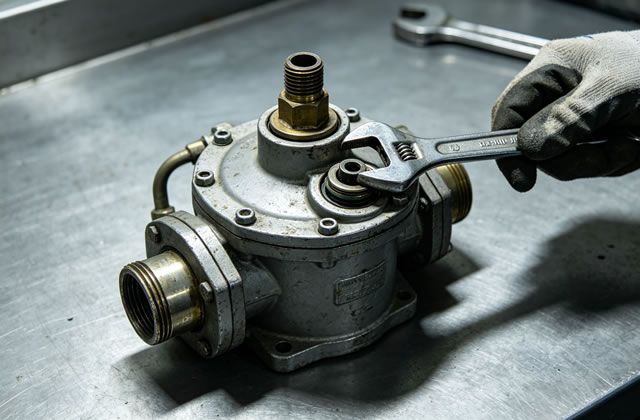
MWM gas valves are precision-engineered components designed for high-performance gas engines, cogeneration units, and industrial combustion systems. They regulate gas flow, pressure, and safety shutoff with extreme accuracy, making them critical to operational safety, fuel efficiency, and equipment reliability. Proper and regular maintenance is essential to prevent leaks, malfunctions, performance loss, and costly downtime.
This guide provides a full, professional overview of MWM gas valve inspection, cleaning, lubrication, adjustment, repair, troubleshooting, and long-term care for industrial and commercial applications.
CRITICAL SAFETY WARNING
All maintenance and repair work on gas valves must be performed by certified, trained technicians only. Before any service:
- Shut off main gas supply and confirm zero pressure
- Disconnect electrical power to the actuator and control system
- Purge residual gas from lines
- Use approved gas detection tools
- Follow local, national, and industry safety standards for gas systems
- Never force components or use non-genuine spare parts
1. Core Functions of MWM Gas Valves
Understanding the operating principle helps identify abnormal behavior during maintenance:
- Precise control of gas flow rate based on engine load and demand
- Stabilization of inlet and outlet gas pressure
- Automatic emergency shutoff in case of overpressure, underpressure, flame failure, or system fault
- Prevention of gas leakage during shutdown and operation
- Compatibility with electronic control systems for real-time modulation
2. Recommended Maintenance Schedule
Adhere to the following intervals for maximum reliability and service life:
Daily Visual Inspection
- Check for external gas leaks, unusual odors, or hissing sounds
- Inspect for oil, dirt, or condensate buildup
- Verify actuator and wiring condition
Monthly Functional Test
- Test full opening and closing response
- Check pressure stability across load ranges
- Verify safety shutoff mechanism operation
Quarterly Detailed Maintenance
- Clean exterior and filter components
- Inspect seals, gaskets, and O-rings
- Check mounting bolts and connections for tightness
Annual Full Overhaul
- Complete disassembly and internal cleaning
- Replacement of wear parts (seals, springs, gaskets)
- Calibration and pressure adjustment
- Leak testing and performance validation
3. Step-by-Step Maintenance Procedure
3.1 Preparation & Isolation
- Close the upstream and downstream gas isolation valves
- Vent gas pressure from the valve chamber
- Disconnect electrical connectors and control cables
- Mark all connections for correct reassembly
3.2 External Cleaning
- Remove dust, dirt, oil, and grease using lint-free cloths
- Clean actuator housing and wiring area
- Ensure no moisture enters internal components
3.3 Disassembly & Internal Inspection
- Carefully disassemble the valve body, diaphragm, plunger, springs, and seals
- Inspect for wear, corrosion, scratches, carbon deposits, or swelling
- Check diaphragm for cracks, hardening, or deformation
- Verify seating surfaces for damage or debris
3.4 Internal Cleaning
- Clean all parts with approved non-flammable, oil-free cleaning agents
- Remove carbon deposits, gum, and residues
- Dry parts completely before reassembly
- Do not use abrasive materials that damage sealing surfaces
3.5 Lubrication
- Use only MWM-recommended gas-compatible lubricants
- Lubricate moving parts, shafts, and bearings sparingly
- Avoid over-lubrication to prevent contamination of seals
3.6 Seal & Wear Part Replacement
- Replace all gaskets, O-rings, diaphragms, and springs during overhaul
- Use genuine MWM spare parts only
- Ensure proper alignment of seals to avoid leaks
3.7 Reassembly
- Reassemble components in reverse order
- Tighten screws and bolts to manufacturer torque specifications
- Confirm free movement of plunger and actuator
3.8 Pressure Calibration & Adjustment
- Set inlet and outlet pressure according to MWM engine specifications
- Calibrate modulation range for smooth operation
- Verify response time and stability
4. Leak Testing & Safety Verification
After maintenance, perform strict leak testing:
- Use certified gas leak detectors or soap-bubble testing
- Test body joints, flanges, seals, and connections
- Check for internal leakage (seat leakage)
- Confirm full shutoff capability under pressure
- Record test results for documentation
IMPORTANT NOTE
Any leak detected after service must be repaired immediately. Do not place the valve back into service until fully tested and approved.
5. Common Failures & Troubleshooting
5.1 Gas Leakage
- Cause: Worn diaphragm, damaged seals, loose fittings
- Solution: Replace seals, tighten connections, check body damage
5.2 Valve Not Opening or Closing
- Cause: Stuck plunger, faulty actuator, broken spring, dirt buildup
- Solution: Clean components, replace actuator or springs, recalibrate
5.3 Unstable Gas Pressure
- Cause: Misadjustment, worn springs, clogged passages
- Solution: Clean internal paths, recalibrate pressure, replace springs
5.4 Slow Response Time
- Cause: Contamination, lack of lubrication, weak actuator
- Solution: Clean, lubricate, test actuator output
5.5 Noisy Operation (Humming / Vibration)
- Cause: Loose parts, resonance, unstable pressure
- Solution: Tighten components, check mounting, stabilize inlet pressure
6. Repair vs. Replacement Decision
Follow these guidelines to choose repair or full replacement:
- Repair if: Minor wear, seal damage, dirt issues, calibration drift
- Replace if: Cracked valve body, heavy corrosion, permanent deformation, repeated failures, end of service life
MWM gas valves are designed for long service life, but replacement is safer when structural integrity is compromised.
7. Best Practices for Long-Term Reliability
- Use clean, dry, and filtered gas to prevent internal contamination
- Install gas filters upstream and maintain them regularly
- Avoid exposure to extreme moisture, oil, or chemicals
- Store spare parts in clean, dry conditions
- Keep detailed maintenance records for each valve
- Train maintenance staff on MWM-specific procedures
- Follow original MWM service manuals for exact specifications
8. Final Operational Check
Before returning to service:
- Confirm all connections are secure and leak-free
- Restore gas pressure and electrical power
- Run the system through idle, partial, and full load
- Monitor gas flow, pressure, and temperature
- Verify no abnormal sounds, smells, or vibrations
- Sign off maintenance documentation

