





Essential Practices for Reliability, Longevity, and Optimal Performance
1. Core Functions of the MWM Water Pump
The MWM engine water pump circulates ethylene glycol or propylene glycol-based coolant through the engine block, cylinder head, radiator, and heat exchanger. Key roles include:
- Maintaining stable operating temperature (85°C–95°C for most MWM engines)
- Protecting engine components from thermal stress, warping, and cracking
- Supporting intercooler and exhaust gas recirculation (EGR) cooling systems
- Preventing cavitation, corrosion, and scale buildup inside cooling passages
2. Recommended Maintenance Schedule (MWM Standard)
- Daily Visual Inspection: Check for leaks, unusual noise, or coolant discoloration
- Every 500 Operating Hours: Inspect belt tension, hose connections, and coolant level
- Every 1,000–2,000 Hours: Full cooling system flush, filter replacement, and pressure test
- Every 4,000 Hours: Comprehensive water pump inspection (bearings, seals, impeller)
- Every 8,000 Hours: Complete water pump overhaul or replacement
3. Pre-Maintenance Safety Protocols
- Shut down the engine and allow full cooling (minimum 60 minutes)
- Disconnect the battery to prevent accidental startup
- Relieve coolant system pressure slowly to avoid splashing
- Wear protective gloves, goggles, and heat-resistant clothing
- Place a drain pan to collect coolant and prevent environmental contamination
- Lock out and tag out (LOTO) power sources for industrial installations
4. Step-by-Step Routine Maintenance
4.1 Visual & Operational Inspection
- Examine the pump housing, gaskets, and flanges for coolant seepage
- Listen for grinding, squealing, or rattling noises (signs of bearing wear)
- Check pulley and belt condition: cracks, glazing, or misalignment
4.2 Coolant System Maintenance
- Use only MWM-approved coolants (ethylene glycol + corrosion inhibitors)
- Test coolant concentration (30%–50% glycol for freeze/boil protection)
- Flush the system to remove scale, rust, and sediment
4.3 Belt & Tension Adjustment
- Inspect drive belts for wear, fraying, or stretching
- Adjust tension to MWM specifications (deflection: 10–15mm)
- Align pulleys to reduce bearing stress
5. Common MWM Water Pump Failures & Root Causes
- Coolant Leaks: Worn seals, cracked housing, damaged gaskets
- Bearing Failure: Contamination, misalignment, overheating
- Impeller Issues: Cavitation, erosion, broken blades
- Overheating: Clogged passages, broken belt, air lock
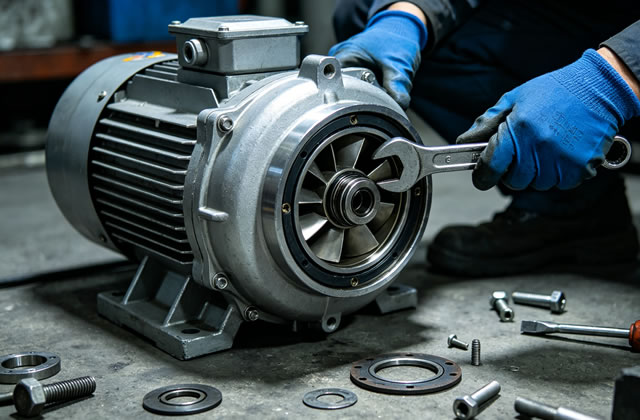
6. Complete Water Pump Repair & Overhaul Procedure
6.1 Removal
Drain coolant, disconnect hoses and belts, remove mounting bolts, and clean the engine mounting surface.
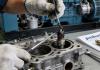
6.2 Disassembly & Inspection
Inspect shaft, bearings, impeller, and seals. Replace all worn components.
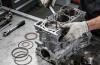
6.3 Reassembly & Testing
Use genuine MWM repair kits. Torque bolts to factory specs, refill coolant, bleed air, and test for leaks and proper operation.
Important: Always use genuine MWM parts to ensure performance, compatibility, and warranty compliance.
7. Troubleshooting Checklist
- Engine overheating → Check belt, impeller, air lock, or blockage
- Coolant leak → Replace seal, gasket, or housing
- Unusual noise → Bearing failure or pulley misalignment
- Poor flow → Clogged system or worn impeller
8. Final Recommendations
- Train operators to recognize early warning signs
- Keep genuine MWM spare parts in inventory
- Document all service and operating hours
- Never run an engine with a faulty water pump

