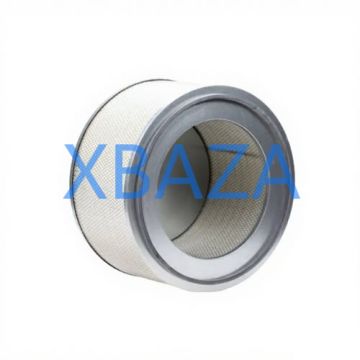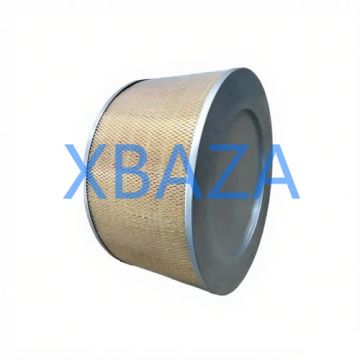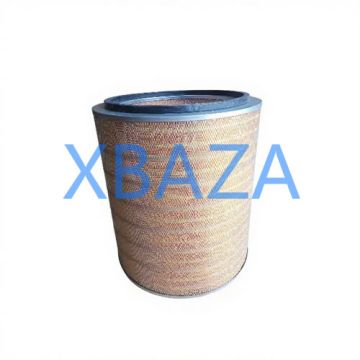





Protect Your CAT Engine, Maximize Performance, Reduce Downtime
1. Importance of CAT Air Filter Maintenance
CAT air filters are engineered to deliver clean, unrestricted airflow to heavy-duty diesel engines while blocking 99.9% of harmful contaminants. Even small amounts of dust can cause catastrophic engine damage over time.
- Prevents premature wear on pistons, cylinders, and turbochargers
- Maintains optimal engine power and responsiveness
- Lowers fuel consumption and operating costs
- Preserves CAT engine warranty validity
- Extends service life and reduces overhaul expenses
2. Recommended Maintenance Schedule
Service intervals vary based on operating environment—adjust for dusty, dirty, or high-debris conditions.
Standard Operating Conditions (Clean/Moderate Dust)
- Visual Inspection: Every 50 service hours or monthly
- Pre-Cleaner/Outer Filter Cleaning: Every 250 hours
- Complete Filter Replacement: Every 500–1000 hours
Severe Operating Conditions (Mining, Construction, Desert)
- Visual Inspection: Every 20 service hours
- Pre-Cleaner/Outer Filter Cleaning: Every 100 hours
- Complete Filter Replacement: Every 250–500 hours
3. Step-by-Step Air Filter Inspection Process
- Turn off the engine and allow it to cool completely. Disconnect the battery if working on electrical equipment.
- Locate the air filter housing (usually a metal/plastic canister connected to the engine intake tubing).
- Loosen housing clamps or latches and remove the cover carefully.
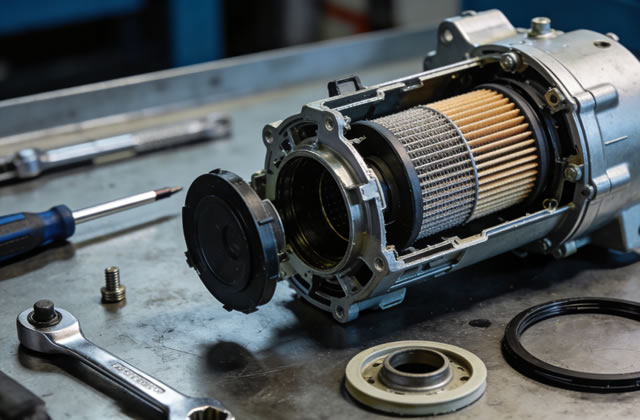
- Remove the outer filter first, then the inner safety filter (do not touch the inner filter unless replacement is needed).
- Inspect for physical damage: tears, holes, cracks, water contamination, or oil saturation.
- Check the housing for dirt buildup, debris, or loose connections.
- Verify the gasket/seal is intact—no gaps or deformities.
4. Proper Cleaning Procedure for Reusable CAT Air Filters
Only clean dry-type outer air filters—never clean wet, oily, or damaged filters.
- Use low-pressure compressed air (max 30 PSI) directed FROM THE INSIDE OUT to blow off loose dust.
- Hold the air nozzle 2–3 inches away from the filter media to avoid damaging fibers.
- Use a soft brush to remove caked-on dirt from the housing and sealing surface.
- Inspect again after cleaning—discard and replace if any damage is found.
- Reinstall the filter with the sealing side facing the housing base.
Do NOT use water, gasoline, solvents, or high-pressure air—these destroy filter media and reduce efficiency.
5. When to Replace Your CAT Air Filter
Replace immediately if you observe any of the following:
- Visible tears, holes, or cracks in the filter media
- Oil, fuel, or water contamination
- Excessive dirt buildup that cannot be cleaned
- Hard, brittle, or deteriorated filter material
- Broken or deformed sealing gasket
- Engine warning light (restricted airflow code)
- Reduced engine power or black smoke from exhaust
Always use genuine CAT replacement filters—aftermarket filters often fail to meet CAT’s efficiency and fitment standards.
6. Correct Installation Guidelines
- Clean the filter housing thoroughly before installation
- Ensure the sealing surface is free of dirt and debris
- Install the inner safety filter first (if equipped), then the outer filter
- Press firmly to ensure a tight, airtight seal
- Secure all clamps, latches, and covers to prevent unfiltered air intake
- Double-check for loose connections or gaps
7. Troubleshooting Common Air Filter Issues
Issue 1: Restricted Airflow / Low Power
Cause: Clogged filter, dirty pre-cleaner, damaged housing. Solution: Clean or replace filter.
Issue 2: Dust in Engine Intake
Cause: Broken filter, poor seal, missing gasket. Solution: Replace filter and inspect housing for leaks.
Issue 3: Water/Dirt in Filter Housing
Cause: Damaged cover, loose clamps, faulty intake tubing. Solution: Repair housing and replace filter.
Issue 4: Premature Filter Plugging
Cause: Extreme dust, failed pre-cleaner, incorrect filter model. Solution: Upgrade to extreme-duty filter and service more frequently.
8. Best Practices for Long-Term Air Filter Health
- Always use genuine CAT air filters for perfect fit and maximum protection
- Keep pre-cleaners clear of debris and in good working condition
- Store spare filters in a clean, dry, dust-free environment
- Document all service and replacement for warranty tracking
- Train operators to report warning signs immediately
- Adjust service schedules for harsh environmental conditions
Final Summary
Maintaining your CAT air filter is one of the simplest, most cost-effective ways to protect your expensive CAT engine and equipment. Regular inspection, proper cleaning, and timely replacement prevent catastrophic damage, improve fuel efficiency, boost performance, and extend engine life.
By following CAT’s official maintenance guidelines, you ensure reliability, minimize downtime, and maximize the return on your equipment investment.