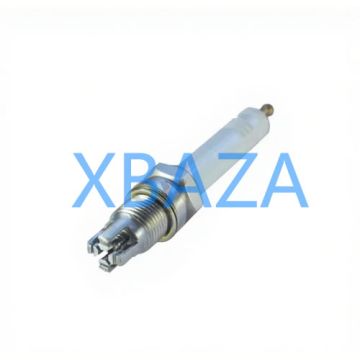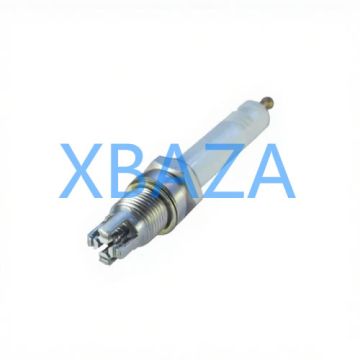






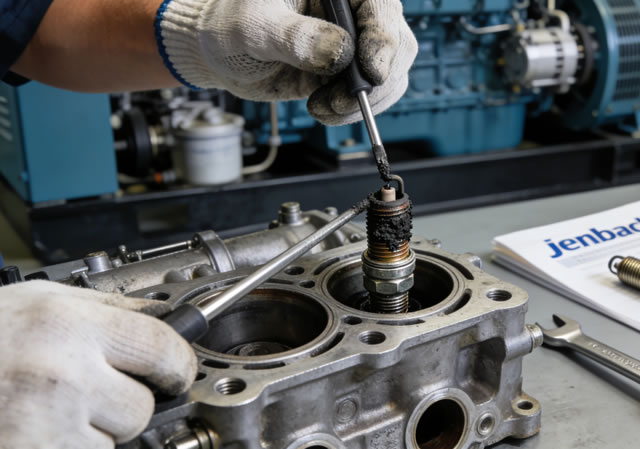
Spark plugs are critical components of Jenbacher gas generators, responsible for igniting the air-fuel mixture in the engine cylinders to ensure stable power generation. Proper and regular maintenance of spark plugs not only extends their service life but also guarantees the generator’s efficient, safe, and reliable operation, reducing unplanned downtime and operating costs. This article details the key points of Jenbacher generator spark plug maintenance, including inspection, cleaning, gap adjustment, replacement, and safety precautions.
1. Regular Inspection: Foundation of Maintenance
Regular inspection is the first line of defense to prevent spark plug failures. The inspection cycle should be strictly followed according to Jenbacher’s official maintenance guidelines, typically every 1,000 to 2,000 operating hours. For generators operating in harsh environments (such as high dust, high humidity, or unstable gas quality), the inspection cycle should be shortened appropriately.
Key inspection items include:
-
Visual Inspection: Check for signs of wear, damage, or fouling on the spark plug. Focus on the ceramic insulator (for cracks, chips, or carbon deposits), the electrode (for rounding, erosion, or melting), and the sealing washer (for damage or deformation). Carbon deposits, oil fouling, or white oxide deposits on the electrode indicate potential issues with combustion, lubrication, or gas quality.
-
Gap Measurement: Use a feeler gauge to measure the spark plug gap, which must comply with Jenbacher’s specified range (usually 0.7-0.8 mm, but subject to the engine model). An incorrect gap (too wide or too narrow) will affect ignition performance, leading to misfires, rough engine operation, or reduced fuel efficiency.
-
Resistance Check: Use an ohmmeter to measure the spark plug resistance. If the resistance is outside the specified range, the spark plug should be replaced immediately to avoid ignition failure.
2. Cleaning: Restore Performance Without Replacement
If the spark plug is in good condition (no cracks, no excessive electrode wear) but has mild deposits, cleaning can restore its performance. Improper cleaning methods may damage the spark plug, so the following steps should be followed:
-
Before cleaning, remove the spark plug and wipe the surface with a clean cloth to remove external dust and debris, preventing impurities from entering the combustion chamber during reinstallation.
-
Use a non-metallic brush (such as a brass brush) and a suitable solvent to clean the electrode and insulator, removing carbon deposits, oil stains, and other contaminants. Avoid using a steel wire brush, as it may scratch the electrode or insulator, affecting insulation performance.
-
After cleaning, dry the spark plug thoroughly (naturally or with cold air) and recheck the gap. If the gap is inconsistent with the specification, adjust it carefully.
Note: If the spark plug has severe fouling (e.g., heavy oil deposits or thick carbon layers) or the insulator is cracked, cleaning will not restore its performance, and replacement is required.
3. Gap Adjustment: Ensure Optimal Ignition
The spark plug gap directly affects the intensity and stability of the spark. Even pre-gapped spark plugs may shift during transportation or installation, so rechecking and adjusting the gap is essential before installation or reinstallation.
Adjustment steps:
-
Use a professional feeler gauge to measure the current gap. Compare the measured value with Jenbacher’s official specification for the specific engine model.
-
To widen the gap, carefully bend the ground electrode (side electrode) with a gap adjustment tool; to narrow the gap, gently tap the ground electrode on a flat, hard surface. Avoid bending the center electrode, as this may damage the internal structure of the spark plug.
-
After adjustment, re-measure the gap to ensure it is within the specified range. The gap should be uniform and consistent to ensure stable ignition.
Special note: The new Jenbacher P611 spark plug (applicable to Type 6 and 9 engines) does not require re-gapping, which simplifies maintenance operations.
4. Replacement: Timely Replacement to Avoid Failures
Spark plugs have a limited service life. Even with proper maintenance, they will wear out over time. Timely replacement is crucial to prevent generator failures.
Replacement guidelines:
-
Replacement Cycle: Follow Jenbacher’s official recommendation. Generally, spark plugs should be replaced every 6,000 to 10,000 operating hours, but this may vary based on the engine model, spark plug material, and operating conditions. Iridium spark plugs for Jenbacher engines have a longer service life, up to 100,000 miles or more under normal conditions.
-
Replacement Parts: Use only Jenbacher OEM (Original Equipment Manufacturer) spark plugs. OEM spark plugs are engineered to match the engine’s parameters and tolerances, ensuring optimal system performance, safety, and compatibility. The use of non-OEM spark plugs may lead to reduced performance, increased downtime, and even void the engine warranty.
-
Replacement Steps:
-
Ensure the generator is turned off and the engine is fully cooled to avoid burns and prevent damage to engine components.
-
Disconnect the ignition coil or spark plug wire from the spark plug. When removing multiple spark plugs, label each wire to avoid mixing up the cylinder positions, which could cause engine misfires.
-
Use a spark plug socket wrench to carefully loosen and remove the old spark plug.
-
Apply a small amount of anti-seize compound to the threads of the new spark plug (avoid over-application to prevent deposits in the combustion chamber) to facilitate future removal and prevent seizing.
-
Hand-thread the new spark plug into the cylinder head to avoid cross-threading, which could damage the threads of the cylinder head or the spark plug itself.
-
Use a torque wrench to tighten the spark plug to Jenbacher’s specified torque. For new spark plugs, tighten an additional 1/2 turn after hand-tightening; for reused spark plugs, tighten an additional 1/8 to 1/4 turn to ensure proper compression of the sealing washer.
-
Reconnect the ignition coil or spark plug wire, ensuring a secure fit.
-
5. Safety Precautions: Ensure Safe Maintenance
Spark plug maintenance involves high-voltage components and high-temperature parts, so strict adherence to safety precautions is required:
-
Always perform maintenance with the generator turned off, the power supply disconnected, and the engine fully cooled. Never work on a running or hot engine to avoid burns or electric shocks.
-
Wear protective equipment, such as gloves and safety glasses, to prevent injury from sharp edges, sparks, or chemical solvents.
-
Handle spark plugs with care to avoid damaging the ceramic insulator or electrodes. A damaged insulator may cause high-voltage leakage, leading to ignition failure or safety hazards.
-
Keep the maintenance area clean and free of flammable materials (such as gasoline, oil, or rags), as sparks may ignite these materials during maintenance.
-
After maintenance, start the generator and monitor its operation. Check for misfires, rough idling, or abnormal noise, which may indicate improper spark plug installation or adjustment.
6. Additional Maintenance Tips
-
Use Jenbacher’s MyPlant remote monitoring system to accurately predict the remaining service life of spark plugs, enabling more precise maintenance planning and reducing unplanned downtime.
-
Participate in Jenbacher’s spark plug recycling program to promote sustainability and potentially reduce future maintenance costs through recycling credits.
-
If spark plug failures occur frequently (e.g., frequent fouling, electrode wear, or misfires), check for underlying engine issues, such as poor gas quality, improper combustion, or lubrication system leaks, rather than just replacing the spark plug.
-
Store spare spark plugs in a dry, clean, and cool environment to avoid moisture, dust, or damage, ensuring they are in good condition when needed.
In summary, proper maintenance of Jenbacher generator spark plugs is essential for the generator’s long-term stable operation. By following the inspection, cleaning, adjustment, and replacement guidelines outlined above, and using genuine OEM parts, you can maximize the performance and service life of spark plugs, reduce maintenance costs, and ensure the reliable operation of your Jenbacher generator.