



Critical for Engine Performance, Fuel Efficiency & Longevity
Introduction
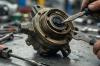
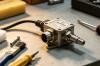
The CAT knock sensor (detonation sensor) is a key component in Caterpillar diesel and gas engines. It detects abnormal combustion (engine knock) and sends signals to the ECM to adjust fuel injection and timing, preventing serious engine damage.
A faulty sensor causes power loss, poor fuel economy, increased emissions, and permanent engine failure. This guide covers full maintenance, diagnostics, repair, and best practices for all CAT industrial, marine, truck, and heavy-duty engines.
Key Functions of the CAT Knock Sensor
- Detects engine knock, detonation, and pre-ignition
- Protects pistons, cylinders, valves, and engine internals
- Optimizes combustion efficiency and fuel usage
- Maintains peak engine performance
- Triggers diagnostic trouble codes (DTCs) for troubleshooting
Common CAT Engine Models with Knock Sensors
C7, C9, C11, C13, C15, C18 | 3126, 3406, 3508, 3512, 3516 | Industrial, Marine, Generator, Truck Engines
Symptoms of a Failing CAT Knock Sensor
- Check Engine Light or ECM Fault Codes (P0324, P0325, P0330)
- Loss of engine power and slow acceleration
- Reduced fuel efficiency (higher fuel consumption)
- Audible knocking or pinging under load
- Rough idle and excessive vibration
- Black smoke from exhaust
- Failed emissions tests
- ECM fails to adjust injection timing automatically
Preventive Maintenance Schedule
Every 500 Hours / 6 Months
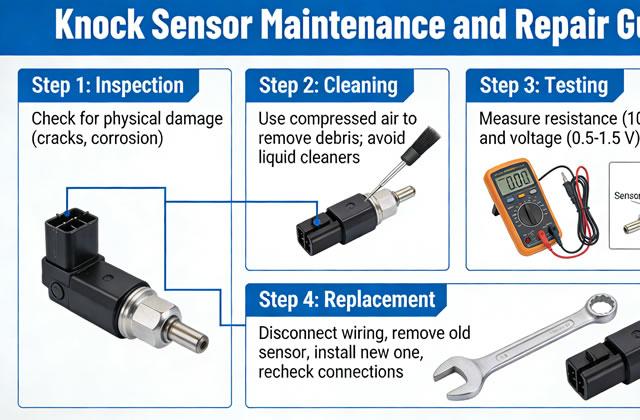
- Inspect sensor for cracks, corrosion, or physical damage
- Check wiring and connectors for wear or looseness
- Torque mounting bolt to CAT specs: 18–25 ft-lbs (25–34 N·m)
- Clean mounting surface for proper contact
Wiring & Connector Care
- Clean corrosion with electrical contact cleaner
- Apply dielectric grease to prevent moisture
- Ensure secure and clean ground connections
Engine Performance Maintenance
- Use CAT-recommended fuel only
- Maintain cooling system to avoid overheating
- Service fuel injectors and air filters regularly
Professional Diagnostic Testing
- Scan ECM for fault codes using CAT ET
- Visually inspect sensor condition and mounting
- Test resistance: 0.5–5 MΩ (CAT spec range)
- Measure AC voltage signal: 0.1–1.0 V under load
- Verify proper torque and ground connection
Full Replacement & Repair Procedure
- Locate the knock sensor on engine block / cylinder head
- Disconnect the electrical connector carefully
- Remove old sensor and clean mounting surface
- Install new genuine CAT sensor with proper torque
- Reconnect wiring harness and apply dielectric grease
- Reset ECM and clear fault codes with CAT ET
- Test engine under load to confirm normal operation
Best Practices to Extend Sensor Life
- Always use genuine CAT OEM sensors
- Avoid low-quality aftermarket parts
- Keep engine bay clean and dry
- Fix fuel system issues immediately
- Do not alter engine timing without calibration
Troubleshooting Persistent Issues
- Check for damaged or shorted wiring harness
- Update ECM software to latest version
- Test engine compression for internal wear
- Inspect fuel injectors and injection pump
- Recalibrate all engine sensors
Conclusion
The CAT knock sensor is essential for protecting your engine and maintaining performance. Proper maintenance and timely repair reduce costs, improve efficiency, and extend engine life.
Always follow Caterpillar OEM guidelines and use genuine parts for maximum reliability.

