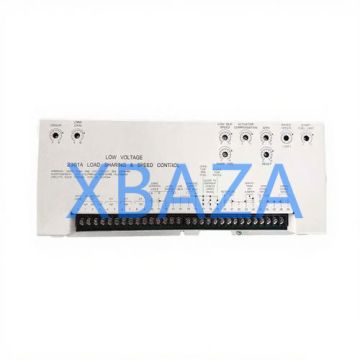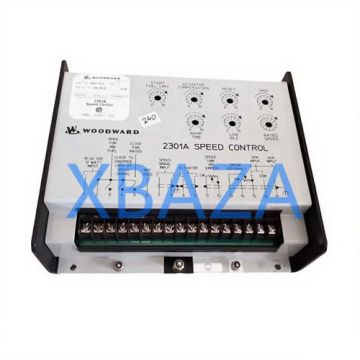







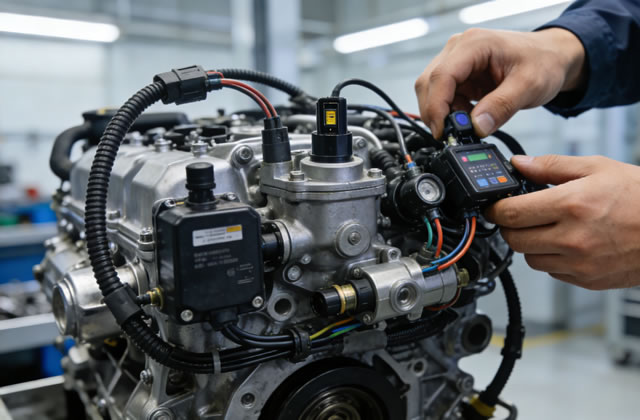
The Caterpillar (CAT) Speed Control System is a critical component of all CAT industrial engines, generators, marine power systems, and heavy machinery. It regulates engine RPM, ensures stable operation under variable loads, protects against overspeed damage, and optimizes fuel efficiency. Proper, regular maintenance of the speed control system is essential to extend engine service life, reduce downtime, lower operational costs, and prevent catastrophic failures.
This comprehensive guide covers routine maintenance schedules, detailed inspection procedures, component servicing, common fault troubleshooting, repair best practices, and long-term preservation strategies for CAT Speed Control Systems—applicable to all CAT engine models including 3406, C7, C9, C13, C15, C18, 3500 series, and more.
1. Core Components of CAT Speed Control System
Before performing maintenance or repair, familiarize yourself with the key components to ensure accurate diagnosis and service:
- Electronic Control Module (ECM): The "brain" of the speed control system; processes sensor data and adjusts fuel delivery.
- Speed Sensors: Magnetic or Hall-effect sensors that detect crankshaft/camshaft rotational speed.
- Actuator (Governor): Electro-hydraulic or electronic unit that controls fuel rack/valve position to regulate speed.
- Throttle Position Sensor (TPS): Monitors operator throttle input for speed adjustment.
- Wiring Harness & Connectors: Transmits electrical signals between all speed control components.
- Overspeed Protection Module: Safety device that shuts down the engine if RPM exceeds safe limits.
- Load Sensors: Detect engine load changes to maintain consistent speed under varying conditions.
2. Scheduled Maintenance Protocol (CAT Recommended Intervals)
Adhere to the following maintenance schedule to keep the CAT Speed Control System in peak operating condition. Intervals are based on engine operating hours:
2.1 Daily/Pre-Operation Inspection (5-Minute Check)
- Visual inspection for loose, frayed, or corroded wiring harness connectors.
- Check for oil, fuel, or coolant contamination on speed sensors and actuator.
- Verify no warning lights (Overspeed, Speed Control Fault) on the dashboard/ECM display.
- Test engine idle stability: no hunting (RPM fluctuation), stalling, or rough running.
- Confirm throttle response is smooth and immediate.
2.2 250-Hour Maintenance
- Clean speed sensor tips with a lint-free cloth and electrical contact cleaner (remove debris/metal shavings).
- Inspect sensor mounting torque; tighten to CAT factory specifications (typically 8–10 ft-lbs).
- Check actuator mounting bolts and linkage for wear or looseness; lubricate linkage joints with dry lubricant.
- Test overspeed alarm and shutdown function at low RPM (simulated test only).
2.3 1000-Hour Maintenance
- Full cleaning of all speed control electrical connectors with approved contact cleaner.
- Apply dielectric grease to connectors to prevent moisture/corrosion.
- Calibrate speed control system via CAT Electronic Technician (CAT ET) software.
- Inspect wiring harness for heat damage, rodent chewing, or abrasion; repair or replace damaged sections.
- Verify actuator stroke and response time per service manual specifications.
2.4 4000-Hour Major Maintenance
- Replace speed sensors (magnetic sensors degrade over time; preventive replacement reduces failure risk).
- Overhaul or replace speed control actuator if response is slow or inconsistent.
- Conduct full ECM diagnostic scan; update ECM firmware to the latest CAT release.
- Pressure-test wiring harness for electrical continuity and insulation integrity.
- Perform load bank testing to validate speed control performance under 100% engine load.
3. Step-by-Step Component Maintenance & Repair
3.1 Speed Sensor Maintenance & Replacement
Speed sensors are the most frequent wear item in the CAT Speed Control System—faulty sensors cause RPM fluctuation, no-start, or overspeed conditions.
- Disconnect the engine battery negative cable to avoid electrical shorts.
- Locate the speed sensor (mounted on the flywheel housing or front gear housing).
- Clean the sensor area with compressed air to remove debris.
- Disconnect the sensor connector and remove the mounting bolt.
- Measure air gap between sensor tip and flywheel teeth (CAT spec: 0.020–0.050 inches).
- Clean the sensor tip with electrical cleaner; replace if cracked, corroded, or out of air gap tolerance.
- Install new sensor, torque to factory spec, reconnect wiring, and verify operation with CAT ET.
3.2 Speed Control Actuator Service
The actuator controls fuel delivery—faulty actuators cause engine hunting, low power, or speed drift.
- Inspect for fuel/oil leaks around the actuator seal; replace seals if leaking.
- Check actuator linkage for binding, wear, or broken springs; replace damaged linkage.
- Use CAT ET to perform actuator calibration: follow on-screen prompts to set zero and full stroke.
- If calibration fails, replace the actuator with a genuine CAT OEM unit (aftermarket units cause compatibility issues).
3.3 ECM & Wiring Harness Care
- Keep the ECM dry and clean—never spray water directly on the ECM housing.
- Repair loose or broken wires using soldering (not crimping) and heat-shrink tubing for waterproofing.
- Replace corroded connectors with OEM CAT connectors to ensure signal stability.
- Secure wiring harness away from hot exhaust components and moving parts to prevent abrasion.
3.4 Overspeed Protection System Test
Overspeed protection prevents engine explosion—test quarterly:
- Access CAT ET and navigate to the overspeed test menu.
- Run the simulated overspeed test; the system should trigger an alarm and engine shutdown within 1 second.
- If shutdown fails, replace the overspeed module immediately—do not operate the engine until repaired.
4. Common Faults & Troubleshooting (CAT Speed Control)
| Fault Symptom | Possible Causes | Repair Solution |
|---|---|---|
| Engine RPM hunting/fluctuating at idle/load | Bad speed sensor, dirty actuator, loose wiring, incorrect calibration | Replace sensor, clean actuator, tighten connections, recalibrate via CAT ET |
| Engine will not hold set speed | Worn actuator linkage, fuel restriction, TPS failure | Replace linkage, clear fuel filter, replace throttle sensor |
| Overspeed warning light on | Short in sensor wiring, faulty overspeed module, ECM error | Repair wiring, replace module, reset ECM fault codes |
| No throttle response | TPS failure, broken wiring, ECM communication loss | Replace TPS, repair harness, reflash ECM firmware |
| Engine stalls when load is applied | Actuator slow response, low fuel pressure, bad load sensor | Overhaul actuator, check fuel system, replace load sensor |
| Intermittent speed control faults | Corroded connectors, loose ground wire, heat-damaged wiring | Clean connectors, tighten ground, replace damaged wiring |
5. Professional Repair Best Practices
- Use Genuine CAT Parts: Aftermarket speed sensors, actuators, and connectors often fail prematurely and void engine warranty. Always install OEM CAT components.
- Calibrate After Repair: Any speed control component replacement requires calibration with CAT ET software—uncalibrated systems cause poor performance.
- Document All Service: Log maintenance hours, parts replaced, and calibration results for future troubleshooting and warranty claims.
- Grounding Check: Poor grounding is a top cause of speed control issues—verify engine and chassis ground connections are clean and tight.
- Environmental Protection: Seal all electrical connections with dielectric grease; use heat-resistant loom for wiring near exhaust.
6. Long-Term Preservation & Storage Tips
For engines stored for 30+ days, follow these steps to protect the speed control system:
- Disconnect the battery to prevent ECM power drain and electrical corrosion.
- Cover all speed control connectors with waterproof caps or plastic wrap.
- Store the engine in a dry, temperature-controlled environment to avoid moisture buildup.
- Run the engine for 15 minutes every 30 days to lubricate the actuator and keep sensors functional.
- Before returning to service, perform a full maintenance check and ECM diagnostic.
7. Safety Precautions for Maintenance & Repair
- Always disconnect the battery negative cable before working on electrical components.
- Allow the engine to cool completely before servicing to avoid burns.
- Wear safety glasses, gloves, and protective clothing when handling electrical components.
- Do not perform speed control tests near moving engine parts (belts, fans, flywheels).
- Use only CAT-approved diagnostic tools and cleaning solvents to avoid component damage.
Conclusion
The CAT Speed Control System is the heart of engine performance and safety. By following this comprehensive maintenance, repair, and troubleshooting guide, you can ensure reliable operation, maximize engine lifespan, minimize downtime, and eliminate costly breakdowns. Always prioritize genuine CAT parts, professional calibration, and adherence to scheduled maintenance intervals for optimal results.
For complex faults or major repairs, contact an authorized CAT dealer for certified service and support.