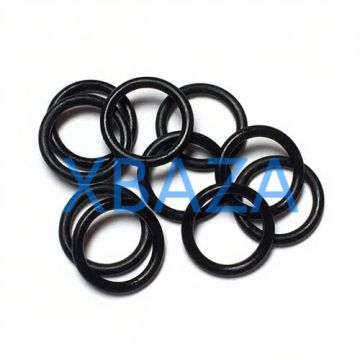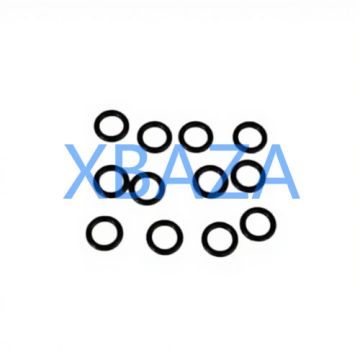





The CAT Ring (Caterpillar Piston Ring / Seal Ring) is a core precision component of Caterpillar heavy equipment engines, including excavators, loaders, bulldozers, generators, and marine engines. As a critical sealing and heat-conducting part, its performance directly determines engine power, fuel efficiency, oil consumption, and service life. This comprehensive guide covers daily maintenance, regular inspection, professional repair, fault troubleshooting, and long-term storage protocols to maximize the reliability and lifespan of your CAT Ring components.
1. Core Functions & Importance of CAT Ring Components
CAT Rings are engineered with high-grade alloy materials and precision manufacturing to perform three non-negotiable functions in Caterpillar engines:
- Sealing Function: Prevents high-temperature combustion gas from leaking into the crankcase, maintaining optimal cylinder pressure and engine power output.
- Oil Control Function: Scrapes excess lubricating oil from cylinder walls, avoiding oil burning, blue smoke emissions, and excessive oil consumption.
- Heat Conduction Function: Transfers 40%-60% of piston heat to the cylinder wall, preventing piston overheating and thermal damage.
Without proper maintenance, CAT Ring wear, fracture, or carbon deposition will lead to power loss, high fuel consumption, oil leakage, and catastrophic engine failure—resulting in costly downtime and repairs.
2. Daily Maintenance Protocols for CAT Ring
Daily maintenance is the foundation of extending CAT Ring service life. These simple, consistent steps prevent premature wear and contamination:
2.1 Lubrication Oil Management
- Use ONLY genuine Caterpillar engine oil (15W-40 or 10W-30) that meets CAT ECF-3/4 standards. Non-genuine oil causes carbon buildup and ring sticking.
- Check oil level and quality daily before starting the engine. Top up or replace oil immediately if it is contaminated, diluted, or degraded.
- Replace oil and oil filter at CAT-recommended intervals (250 hours for heavy-duty equipment, 500 hours for standard use).
2.2 Fuel Quality Control
- Use low-sulfur diesel fuel that complies with CAT engine specifications. Impure fuel causes ring corrosion and carbon deposition.
- Drain water and sediment from the fuel tank/water separator weekly to prevent fuel system contamination.
- Replace fuel filters every 500 hours to block impurities from reaching the combustion chamber.
2.3 Engine Operation Best Practices
- Warm up the engine for 3-5 minutes at idle before heavy load operation; avoid cold-start high-speed operation.
- Do not run the engine at idle for more than 10 minutes continuously—this leads to incomplete combustion and ring carbon buildup.
- Avoid sudden acceleration, heavy overload, and long-term high-speed operation, which accelerate CAT Ring wear.
DAILY MAINTENANCE TIP: Record engine operating hours, oil consumption, and exhaust color daily. Abnormal changes indicate early CAT Ring issues.
3. Regular Inspection & Preventive Maintenance
Preventive inspections catch CAT Ring issues before they escalate. Follow this inspection schedule strictly:
3.1 Short-Term Inspection (Every 100 Operating Hours)
- Check for blue/white exhaust smoke (a key sign of oil burning due to ring wear).
- Monitor engine oil level: A sudden drop in oil level confirms ring or cylinder seal failure.
- Test engine power: Noticeable power loss indicates reduced cylinder pressure from ring damage.
3.2 Medium-Term Inspection (Every 500 Operating Hours)
- Inspect cylinder head pressure: Use a pressure gauge to verify consistent compression across all cylinders.
- Check for oil leakage at piston/cylinder joints: External oil seepage signals ring degradation.
- Clean air filter thoroughly: A clogged air filter causes dust intake, accelerating CAT Ring abrasive wear.
3.3 Long-Term Overhaul Inspection (Every 2000-4000 Operating Hours)
- Dismantle the engine piston assembly to inspect CAT Ring appearance, elasticity, and clearance.
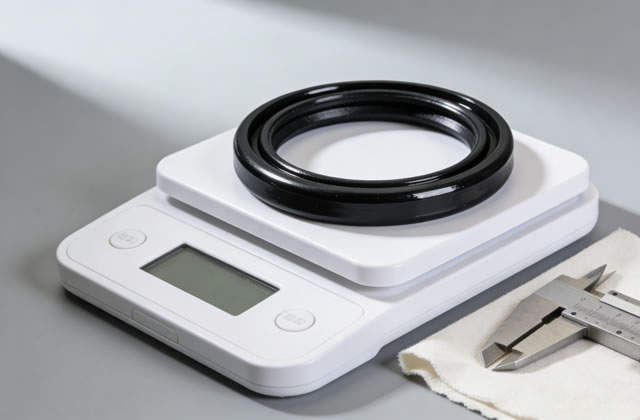
- Measure ring end gap, side gap, and radial thickness against CAT factory specifications.
- Remove carbon deposits from ring grooves and ring surfaces using CAT-approved cleaning agents.
- Replace worn, fractured, or stuck rings with genuine CAT spare parts.
4. Professional CAT Ring Repair & Replacement Procedures
WARNING: CAT Ring repair/disassembly requires professional tools and CAT-certified technicians. Improper operation will cause permanent engine damage.
4.1 Pre-Repair Preparation
- Prepare genuine CAT Rings, standard tools, torque wrenches, cleaning solvent, and lubricant.
- Cool the engine completely to avoid thermal deformation of components.
- Clean the engine exterior to prevent dust from entering the cylinder during disassembly.
4.2 Step-by-Step Disassembly & Inspection
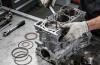
- Remove the cylinder head, connecting rod, and piston assembly from the engine block.
- Use a specialized ring expander to remove old CAT Rings from piston grooves (do not pry rings by hand to avoid breakage).
- Clean piston grooves with a soft brush and CAT carbon remover to eliminate all deposits.
- Inspect piston grooves for wear, scratches, or deformation; replace pistons if grooves are damaged.
- Measure new CAT Ring clearances: End gap = 0.25-0.45mm, side gap = 0.05-0.10mm (per CAT factory standards).
4.3 Installation & Assembly Standards
- Lubricate new CAT Rings and piston grooves with genuine CAT engine oil before installation.
- Install compression rings, oil control rings, and expanders in the correct order; stagger ring end gaps by 120° to avoid alignment.
- Use a ring compressor to install the piston assembly into the cylinder to prevent ring damage.
- Tighten connecting rod bolts to CAT-specified torque (check your engine model’s service manual).
- Reassemble the cylinder head, valves, and fuel system components in reverse order.
4.4 Post-Repair Commissioning
- Run the engine at idle for 30 minutes to check for abnormal noise, smoke, or oil leakage.
- Test cylinder compression, power output, and oil consumption to confirm proper ring function.
- Perform a 2-4 hour load test before returning the equipment to full service.
5. Common CAT Ring Faults, Causes & Troubleshooting
| Fault Phenomenon | Root Cause | Repair Solution |
|---|---|---|
| Blue exhaust smoke, high oil consumption | CAT Ring wear, ring sticking, cylinder wall scratch | Replace rings, repair cylinder walls, clean carbon deposits |
| Engine power loss, low compression | Ring fracture, end gap too large, poor sealing | Replace broken rings, adjust clearances to specs |
| CAT Ring stuck in piston groove | Carbon deposition, low-quality oil, idle overload | Clean grooves, replace oil, use genuine CAT parts |
| Abnormal engine noise (piston slap) | Excessive ring wear, large piston-cylinder clearance | Overhaul engine, replace rings + pistons |
| Combustion gas leaking into crankcase | Ring failure, cylinder pressure loss | Immediate ring replacement, full system inspection |
6. Long-Term Storage Maintenance for Unused CAT Rings
For spare CAT Rings or equipment stored long-term, follow these protocols to prevent rust, deformation, and performance loss:
- Store rings in a dry, ventilated environment with temperature 10-30°C and humidity <60%.
- Apply anti-rust oil to ring surfaces and seal in vacuum packaging to avoid dust/moisture.
- Do not stack heavy objects on rings to prevent elastic deformation.
- Inspect spare rings every 6 months: Reapply anti-rust oil if needed and replace degraded seals.
- Before installing stored rings, clean anti-rust oil with CAT-approved solvent and inspect for corrosion.
7. Key Maintenance Summary & Lifespan Extension Tips
- Always use genuine CAT lubricants, fuels, and replacement parts—non-genuine parts reduce ring life by 50%+.
- Strictly follow CAT’s operating, maintenance, and overhaul intervals for your equipment model.
- Train operators on correct engine use to avoid abuse that damages ring components.
- Record all maintenance and repair data for traceability and predictive care.
- When faults occur, repair immediately—delayed maintenance leads to full engine failure.
FINAL TIP: A well-maintained CAT Ring can achieve 4000+ operating hours, while neglected rings fail within 1000 hours. Proper maintenance saves 70% of long-term repair costs and eliminates equipment downtime.