






1. Introduction to CAT Camshafts
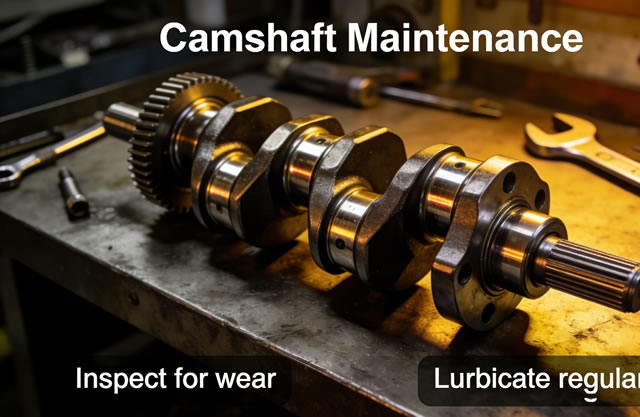
The camshaft is a critical component in Caterpillar (CAT) engines, responsible for controlling the opening and closing of intake and exhaust valves. Proper maintenance of the camshaft ensures optimal engine performance, fuel efficiency, and longevity. CAT camshafts are engineered to withstand heavy-duty operations, but regular inspection and maintenance are essential to prevent premature wear and failure.
CAT camshafts are used in a wide range of applications, including construction equipment, agricultural machinery, marine vessels, and power generation systems. Each application has unique maintenance requirements, which we will cover in this guide.
2. Key Maintenance Intervals
| Engine Type | Inspection Interval | Full Service Interval | Replacement Threshold |
|---|---|---|---|
| CAT C-Series (C7, C9, C13) | 250 operating hours | 1,000 operating hours | 5,000-8,000 operating hours |
| CAT 3000-Series | 500 operating hours | 2,000 operating hours | 10,000-12,000 operating hours |
| CAT High-Horsepower Engines | 1,000 operating hours | 4,000 operating hours | 15,000-20,000 operating hours |
Note: These intervals are general guidelines. Always refer to the specific engine manual for your CAT equipment for exact maintenance schedules based on operating conditions.
3. Pre-Maintenance Preparation
3.1 Required Tools and Equipment
- CAT-specified torque wrench (calibrated)
- Feeler gauges (for valve clearance measurement)
- Camshaft bearing installer/remover tool
- Magnetic base dial indicator (for runout measurement)
- Engine hoist (for heavy-duty engine models)
- Cleaning solvents (CAT-approved)
- Lubricants and greases (CAT Genuine Parts)
- Torque angle gauge
- Inspection mirror and flashlight
3.2 Safety Precautions
- Ensure the engine is completely shut down and cooled to ambient temperature
- Disconnect the battery and relieve all fuel/air pressure
- Use proper personal protective equipment (PPE): gloves, safety glasses, and protective clothing
- Secure the equipment on level ground with parking brakes engaged
- Follow lockout/tagout (LOTO) procedures to prevent accidental startup
4. Step-by-Step Inspection Process
- Visual Inspection:
- Check for signs of wear, scoring, or pitting on cam lobes
- Inspect for cracks, corrosion, or damage to the camshaft surface
- Examine timing gear teeth for wear or chipping
- Check oil passages for blockages or restrictions
- Dimensional Measurement:
- Measure lobe height using a micrometer (compare to CAT specifications)
- Check camshaft runout with dial indicator (maximum allowable: 0.002 inches)
- Measure journal diameter and bearing clearance
- Verify valve timing alignment with manufacturer's specifications
- Valve Train Inspection:
- Check valve lash/clearance (adjust if necessary)
- Inspect lifters, pushrods, and rocker arms for wear
- Verify proper lubrication to all camshaft components
- Oil Analysis:
- Conduct oil analysis to check for metal particles
- Test oil viscosity and contamination levels
- Replace oil and filters if contamination is detected
5. Camshaft Repair Procedures
5.1 Minor Repair (Lobe Refinishing)
For minor lobe wear (within CAT tolerance limits), camshaft lobes can be refinished using precision grinding equipment:
- Remove the camshaft from the engine following CAT service manual procedures
- Clean the camshaft thoroughly with approved solvent
- Mount the camshaft in a precision grinding machine
- Grind lobes to CAT-specified dimensions (maintain proper lobe profile)
- Polish the camshaft surface to reduce friction
- Recheck all dimensions against specifications
- Apply CAT-approved camshaft lubricant before reinstallation
5.2 Complete Camshaft Replacement
Replace the camshaft if:
- Lobe wear exceeds 0.005 inches from original specification
- Cracks are detected (verified via magnetic particle inspection)
- Journal damage is beyond repair
- Timing gear damage is present
Replacement procedure:
- Remove all valve train components (rockers, pushrods, lifters)
- Remove timing gear/cam phaser assembly
- Carefully extract the camshaft (use proper lifting tools to prevent bending)
- Clean all mating surfaces and oil passages in the engine block
- Install new camshaft bearings (if required)
- Lubricate the new camshaft with CAT assembly lube
- Install the camshaft carefully, ensuring proper alignment
- Reinstall timing gear with correct timing alignment
- Set valve lash to CAT specifications
- Prime the oil system before startup
- Perform a break-in procedure (30 minutes at idle, gradual RPM increase)
6. Post-Maintenance Verification
After completing maintenance or repair:
- Start the engine and check for unusual noises (ticking, knocking)
- Monitor oil pressure (must be within CAT specified range)
- Check for oil leaks around camshaft seals and covers
- Verify engine performance (power, idle quality, fuel consumption)
- Perform a compression test to ensure proper valve operation
- Document all maintenance activities in the equipment service record
7. Common Camshaft Failure Causes & Prevention
- Insufficient Lubrication: Prevent by regular oil changes, using CAT-approved oil, and maintaining proper oil pressure
- Contaminated Oil: Prevent by using high-quality filters and keeping the engine clean
- Improper Valve Timing: Prevent by following CAT alignment procedures during installation
- Overloading/Overheating: Prevent by operating equipment within recommended parameters
- Improper Installation: Prevent by using torque specifications and following service manual procedures
8. Genuine CAT Parts Recommendations
For optimal performance and longevity, always use CAT Genuine Parts for camshaft maintenance and repair:
- CAT Genuine Camshafts (OEM part numbers specific to your engine model)
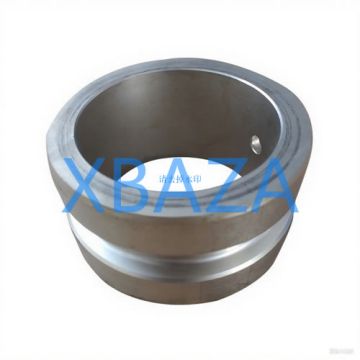
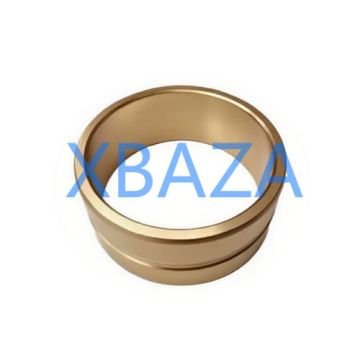
- CAT Camshaft Bearings and Bushings
- CAT Assembly Lube and High-Performance Engine Oil
- CAT Valve Train Components (lifters, pushrods, rocker arms)
- CAT Gaskets and Seals (camshaft front/rear seals)
Using non-genuine parts may void warranty and can lead to premature failure and increased downtime.