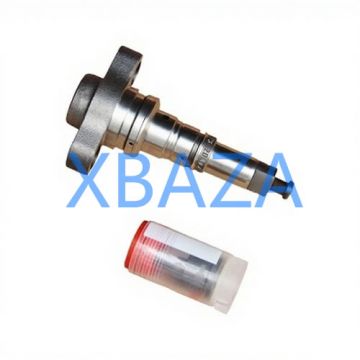


1. Overview of Jenbacher Fuel Pump
The Jenbacher fuel pump is a critical component in Jenbacher gas engines, responsible for delivering a precise volume of fuel (natural gas, biogas, or liquid fuel) to the engine's combustion chamber at the correct pressure and timing. Proper maintenance of the fuel pump is essential to ensure optimal engine performance, fuel efficiency, and longevity, while minimizing downtime and repair costs. Jenbacher fuel pumps are designed for high reliability, but regular servicing is required to prevent premature wear, leaks, or failure.
2. Daily Inspection Checklist
Daily visual and functional checks help identify early signs of issues and prevent major failures. Perform the following checks at the start of each operational shift:
- Inspect for fuel leaks (liquid or gas) around pump connections, seals, and hoses – even minor leaks can lead to efficiency loss or safety hazards.
- Check the pump's operating temperature – abnormal overheating may indicate blockages, worn bearings, or insufficient lubrication.
- Listen for unusual noises (e.g., grinding, squealing, or knocking) during pump operation – these may signal mechanical wear or misalignment.
- Verify fuel pressure and flow rate match the manufacturer's specifications (refer to Jenbacher engine manual).
- Inspect electrical connections (for electric fuel pumps) for corrosion, loose wires, or damage to insulation.
- Check the condition of hoses and fittings – look for cracks, bulges, or signs of aging that could lead to failure.
3. Routine Maintenance Procedures
3.1 Weekly Maintenance
- Clean the pump exterior: Remove dust, dirt, and debris from the pump housing using a low-pressure air blower or a damp cloth (avoid high-pressure water to prevent electrical damage).
- Lubrication check: Inspect the pump's lubrication levels (if applicable) and top up with Jenbacher-recommended lubricant. Ensure the lubricant is free from contamination (e.g., fuel, water).
- Filter inspection: Check the fuel filter for clogging – a restricted filter can cause low fuel pressure and pump strain. Replace the filter if pressure drop exceeds the specified limit (typically 5-10 psi).
3.2 Monthly Maintenance
- Seal and gasket inspection: Examine all seals, gaskets, and O-rings for signs of wear, hardening, or cracking. Replace any damaged components with genuine Jenbacher spare parts to ensure compatibility and prevent leaks.
- Belt tension check (for belt-driven pumps): Verify the drive belt tension is within Jenbacher's recommended range. Adjust if loose (excessive slack causes slippage) or replace if cracked, frayed, or worn.
- Pressure calibration: Use a calibrated pressure gauge to verify the fuel pump's output pressure matches the engine's requirements. Adjust the pressure regulator (if equipped) as needed, following the manufacturer's guidelines.
- Vibration analysis: Check for excessive pump vibration, which may indicate misalignment, worn bearings, or unbalanced components. Address the root cause immediately to prevent further damage.
3.3 Quarterly Maintenance
- Disassemble and inspect internal components:
- Remove the pump cover and inspect the impeller, gears, or pistons (depending on pump type) for wear, scoring, or damage.
- Check the pump shaft and bearings for play or roughness – replace if excessive wear is detected.
- Clean all internal passages to remove any sediment, carbon buildup, or debris that could restrict fuel flow.
- Valve servicing: Inspect the inlet and outlet valves for proper seating and operation. Clean or replace valves that are stuck, worn, or leaking.
- Electrical component testing (for electric pumps): Test the pump motor's insulation resistance, voltage, and current draw to ensure it operates within specifications. Replace the motor or wiring if faults are found.
- Leak testing: Perform a pressure leak test on the fuel pump assembly using nitrogen (for gas pumps) or clean fuel (for liquid pumps) to confirm no leaks in the pump body or connections.
3.4 Annual Maintenance (Major Service)
Annual servicing requires more in-depth disassembly and component replacement to restore the pump to optimal condition:
- Complete pump overhaul: Disassemble the entire fuel pump, clean all components with Jenbacher-approved cleaning agents, and inspect for wear or damage.
- Replace wear parts: Replace all wear components (bearings, seals, O-rings, gaskets, and valve seats) with genuine Jenbacher spare parts – even if they appear serviceable, preventive replacement reduces unplanned downtime.
- Reassemble and calibrate: Reassemble the pump to factory specifications, ensuring proper torque on all fasteners. Calibrate pressure, flow rate, and timing to match Jenbacher's engine-specific requirements.
- Performance testing: After reassembly, run the engine and test the pump's performance under load to confirm it meets all operational parameters (pressure, flow, noise, temperature).
4. Common Faults and Troubleshooting
| Fault Symptom | Potential Cause | Recommended Solution |
|---|---|---|
| Low fuel pressure | Clogged fuel filter, worn pump gears/pistons, leaky valves, insufficient lubrication | Replace fuel filter, inspect/replace worn internal components, repair/replace valves, top up lubricant |
| Fuel leaks | Damaged seals/gaskets, loose fittings, cracked pump housing, worn O-rings | Replace seals/gaskets/O-rings, tighten fittings to torque specs, repair/replace cracked housing |
| Excessive pump noise | Misaligned pump shaft, worn bearings, loose drive belt, cavitation (air in fuel) | Realign shaft, replace bearings, adjust/replace drive belt, bleed air from fuel system |
| Pump fails to start (electric) | Failed motor, faulty wiring, blocked fuel line, low voltage | Test/replace motor, repair wiring, clear fuel line blockage, check power supply |
| Irregular fuel flow | Stuck valves, contaminated fuel, worn impeller/gears, pressure regulator fault | Clean/replace valves, filter fuel, replace worn components, calibrate/replace regulator |
5. Maintenance Record Keeping
Maintaining detailed records of all fuel pump maintenance activities is critical for tracking performance, identifying recurring issues, and complying with Jenbacher's warranty requirements. Records should include:
- Date of maintenance/servicing
- Type of service performed (daily check, weekly, monthly, annual)
- Components inspected, cleaned, or replaced (including part numbers for spare parts)
- Pressure/flow rate readings before and after service
- Any faults detected and corrective actions taken
- Technician name and certification (if applicable)
- Next scheduled maintenance date
6. Best Practices for Long-Term Reliability
- Use only genuine Jenbacher spare parts – non-OEM parts may not meet quality standards and can cause premature pump failure.
- Ensure fuel quality meets Jenbacher's specifications (e.g., filtration, moisture content, purity) to prevent contamination and wear.
- Follow the manufacturer's recommended maintenance schedule – do not extend service intervals unless approved by Jenbacher technical support.
- Train maintenance technicians on Jenbacher fuel pump servicing procedures to ensure work is performed correctly.
- Store spare parts (seals, filters, bearings) in a clean, dry environment to prevent degradation before use.
- Conduct regular audits of maintenance records to identify trends (e.g., frequent filter clogging may indicate fuel quality issues).
7. Conclusion
Proactive and consistent maintenance of the Jenbacher fuel pump is essential to maximize engine uptime, reduce operational costs, and ensure safe and efficient engine performance. By following the daily inspection checklist, routine maintenance procedures, and troubleshooting guidelines outlined in this guide, you can extend the service life of the fuel pump and minimize the risk of unexpected failures. Always consult the Jenbacher engine service manual or contact Jenbacher technical support for model-specific maintenance requirements or complex issues.