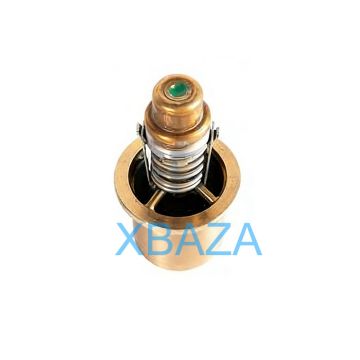
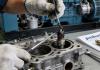
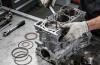

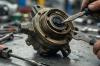
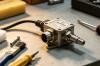


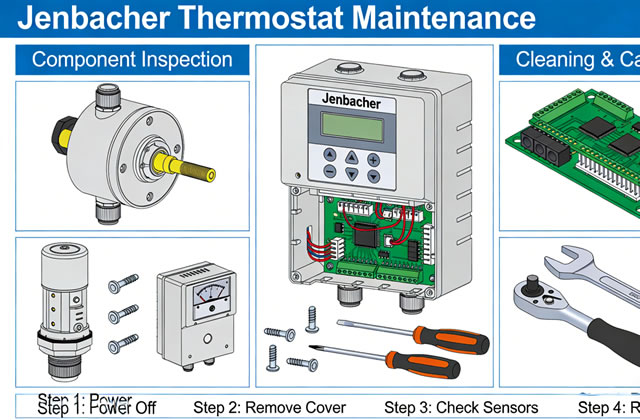
Jenbacher thermostats are critical components in Jenbacher gas engine systems, responsible for regulating temperature to ensure optimal engine performance, efficiency, and longevity. Proper and regular maintenance of these thermostats is essential to prevent unplanned downtime, reduce repair costs, and maintain compliance with industry standards. This guide outlines the complete maintenance procedures, best practices, and troubleshooting steps for Jenbacher thermostats across all common models (J312, J416, J620, etc.).
1. Key Functions of Jenbacher Thermostat
The Jenbacher thermostat controls the flow of coolant through the engine block, cylinder head, and cooling system to maintain a stable operating temperature (typically between 80°C and 95°C for Jenbacher gas engines). Its core functions include:
- Preventing engine overheating by regulating coolant circulation
- Reducing cold start wear by maintaining optimal warm-up temperatures
- Optimizing fuel combustion efficiency by keeping the engine at design operating temperature
- Protecting engine components from thermal stress and corrosion
2. Routine Maintenance Schedule
Regular maintenance is the foundation of reliable thermostat performance. Below is the recommended maintenance schedule for Jenbacher thermostats:
| Maintenance Task | Frequency | Applicable Models | Key Notes |
|---|---|---|---|
| Visual Inspection | Monthly / Every 250 Operating Hours | All Models | Check for leaks, corrosion, or physical damage |
| Coolant Level & Quality Check | Weekly / Every 100 Operating Hours | All Models | Verify coolant concentration (50/50 ethylene glycol/water); test for pH (7.5-8.5) |
| Thermostat Calibration Check | Quarterly / Every 1000 Operating Hours | All Models | Validate opening/closing temperature against manufacturer specs |
| Complete Cleaning & Inspection | Semi-annually / Every 2000 Operating Hours | All Models | Disassemble, clean scale/debris, inspect seal integrity |
| Thermostat Replacement | Every 3 Years / 8000 Operating Hours | J312, J416, J620 | Replace even if no visible issues (preventative maintenance) |
3. Step-by-Step Maintenance Procedures
3.1 Visual Inspection
- Shut down the engine and allow it to cool completely (minimum 2 hours).
- Remove the thermostat housing cover (refer to Jenbacher service manual for torque specs).
- Inspect the thermostat body for cracks, corrosion, or deformation.
- Check the gasket/seal for wear, brittleness, or damage (replace if necessary).
- Verify that the thermostat valve moves freely (no sticking or binding).
- Inspect coolant lines for leaks, blockages, or loose connections.
- Reassemble the housing and torque bolts to manufacturer specifications (typically 18-22 Nm).
3.2 Coolant Quality Testing
- Extract a 50ml sample of coolant from the expansion tank (ensure sample is representative).
- Use a refractometer to test coolant concentration (target: 50% ethylene glycol).
- Test coolant pH using a digital pH meter (acceptable range: 7.5-8.5; adjust if outside range).
- Check for contaminants (oil, dirt, rust) – replace coolant if contaminated.
- Top up coolant to the recommended level (mark on expansion tank) with Jenbacher-approved coolant.
3.3 Thermostat Calibration Check
- Remove the thermostat from the housing (follow safety protocols).
- Submerge the thermostat in a temperature-controlled water bath.
- Gradually heat the bath and record the temperature at which the valve starts to open (opening temperature: 78-82°C for most Jenbacher models).
- Continue heating until the valve is fully open (full open temperature: 88-92°C).
- If opening/closing temperatures deviate by more than 3°C from specs, replace the thermostat.
- Reinstall the thermostat with a new gasket and torque to specs.
3.4 Complete Cleaning and Inspection
- Remove the thermostat and disassemble per Jenbacher service manual (if applicable).
- Clean the thermostat body and valve with a soft brush and Jenbacher-approved cleaning solution (avoid abrasive cleaners).
- Remove scale, rust, or mineral deposits from the valve seat and housing.
- Inspect the thermostat’s internal spring for fatigue or damage (replace if weakened).
- Check the O-ring/seal for elasticity (replace if hard or cracked).
- Reassemble and lubricate moving parts with silicone grease (Jenbacher part no. 00928748).
- Reinstall and perform a leak test (run engine to operating temperature and check for coolant leaks).
4. Common Issues and Troubleshooting
Below are the most frequent problems with Jenbacher thermostats and their solutions:
- Thermostat Stuck Closed: Causes engine overheating. Solution: Replace thermostat immediately; flush cooling system to remove debris that may have caused sticking.
- Thermostat Stuck Open: Engine fails to reach operating temperature, reducing efficiency. Solution: Replace thermostat and check for coolant dilution (too much water).
- Coolant Leaks: Typically from worn gaskets or cracked housing. Solution: Replace gasket/housing; torque bolts to correct specs (over-torquing causes cracks).
- Inaccurate Temperature Reading: Faulty sensor or calibration drift. Solution: Calibrate or replace temperature sensor; verify thermostat calibration.
- Corrosion on Thermostat Body: Caused by poor coolant quality. Solution: Replace thermostat; flush system and refill with Jenbacher-approved coolant.
5. Best Practices for Long-Term Reliability
- Always use Jenbacher OEM replacement parts (thermostats, gaskets, sensors) – aftermarket parts may not meet quality standards.
- Maintain a detailed maintenance log (date, task, technician, operating hours) for compliance and traceability.
- Store spare thermostats in a dry, temperature-controlled environment (0-25°C) to prevent degradation.
- Conduct a full cooling system flush every 2 years to remove scale and contaminants that affect thermostat performance.
- Train maintenance staff on Jenbacher-specific procedures (attend Jenbacher factory training if possible).
- Monitor thermostat performance via the engine’s control system (Jenbacher EMU) – set alerts for temperature deviations.
6. Conclusion
Jenbacher thermostats are a small but critical component of gas engine systems. By following the maintenance schedule and procedures outlined in this guide, you can ensure consistent performance, minimize downtime, and extend the service life of both the thermostat and the engine. Regular preventative maintenance is far more cost-effective than reactive repairs, and adherence to Jenbacher’s OEM guidelines will ensure compliance with warranty terms and industry regulations. For complex issues or component failures, contact an authorized Jenbacher service technician for support.