




1. Introduction to MWM Cylinder Liners
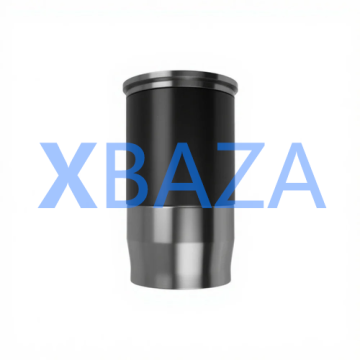
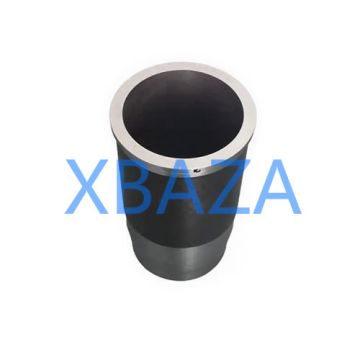
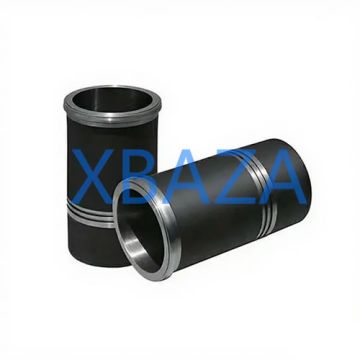
MWM (Motoren Werke Mannheim) cylinder liners are critical precision components installed in MWM diesel and gas engines, serving as the inner wall of the engine cylinder. They form the combustion chamber together with the piston, piston rings, and cylinder head, directly bearing high temperature, high pressure, mechanical friction, and chemical corrosion during engine operation.
Cylinder liners directly determine engine performance, fuel efficiency, service life, and operational stability. Regular and professional maintenance is essential to avoid premature wear, scratches, cracking, coolant leakage, and power loss—common failures caused by neglected liner care.
MWM engines are widely used in power generation, marine, industrial, and heavy-duty applications, making cylinder liner maintenance a core part of overall engine reliability management.
2. Core Functions of MWM Cylinder Liners
- Provide a wear-resistant, smooth working surface for piston reciprocating motion
- Seal combustion pressure and prevent gas leakage into the crankcase
- Conduct heat from combustion to engine coolant for temperature control
- Resist corrosion from fuel combustion byproducts and lubricating oil
- Protect the engine block from direct wear and damage
- Ensure optimal piston ring sealing for maximum engine efficiency
3. Routine Maintenance of MWM Cylinder Liners (Daily/Weekly/Monthly)
3.1 Daily Inspection
- Monitor engine exhaust for white smoke (sign of coolant leakage into cylinders)
- Check engine oil level and quality; look for milky/oily coolant (liner seal failure)
- Record engine vibration, noise, and power output abnormalities
- Verify coolant temperature and pressure stay within MWM factory specifications
3.2 Weekly Maintenance
- Inspect coolant system for leaks around cylinder liner sealing areas
- Test coolant concentration and pH value to prevent liner corrosion and cavitation
- Check lubricating oil pressure and filter condition to ensure sufficient lubrication
- Clean coolant passages to eliminate blockages that cause overheating
3.3 Monthly/Periodic Maintenance
- Perform ultrasonic inspection to detect early liner cracks and deformation
- Measure cylinder liner inner diameter for wear using precision gauges
- Inspect piston ring wear and contact condition with the liner surface
- Conduct pressure testing of coolant and combustion systems to verify sealing
- Replace coolant, lubricating oil, and filters per MWM’s official service schedule
4. Common Failures of MWM Cylinder Liners & Root Causes
4.1 Abrasive Wear
Causes: Dust, impurities in air intake, poor lubrication, substandard fuel/lubricant, abnormal piston movement.
Impact: Increased cylinder clearance, gas leakage, reduced engine power, higher fuel consumption.
4.2 Corrosion & Cavitation Erosion
Causes: Low-quality coolant, incorrect pH, lack of anti-corrosion additives, coolant pressure abnormalities, high-frequency vibration.
Impact: Pitting on liner outer wall, coolant leakage, engine overheating, structural damage.
4.3 Scratches & Scoring
Causes: Piston ring breakage, foreign particles in cylinders, insufficient lubrication, improper assembly.
Impact: Sealing failure, abnormal noise, accelerated wear of pistons and rings.
4.4 Liner Cracking & Breakage
Causes: Thermal shock, overheating, improper installation, material fatigue, excessive combustion pressure.
Impact: Catastrophic engine damage, coolant/oil mixing, complete engine shutdown.
4.5 Seal Failure
Causes: Aging O-rings/gaskets, improper installation, coolant corrosion, liner deformation.
Impact: Coolant leakage, cross-contamination of oil and coolant, engine overheating.
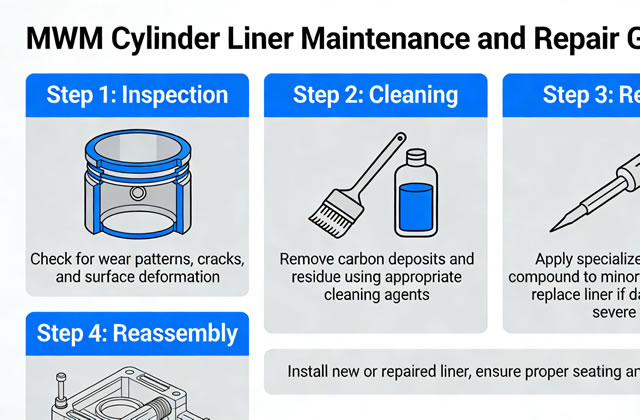
5. Professional Repair & Overhaul Procedures for MWM Cylinder Liners
5.1 Disassembly Steps
- Remove cylinder head, push rods, and valve components
- Take out pistons and connecting rods carefully to avoid scratching liners
- Extract cylinder liners using special MWM-approved puller tools
- Clean and inspect engine block liner seats for damage or deformation
- Remove old sealing rings/gaskets and clean sealing grooves thoroughly
5.2 Inspection & Evaluation
- Measure inner diameter at top, middle, and bottom positions to check wear tolerance
- Inspect liner surface for scratches, pitting, cracks, and corrosion
- Check outer wall for cavitation damage and coolant contact wear
- Verify roundness and cylindricity meet MWM original specifications
- Test liner for hidden cracks via pressure or magnetic particle testing
5.3 Repair Methods
Mild Wear: Honing process to restore surface smoothness and cross-hatch pattern for proper lubrication.
Moderate Damage: Chrome plating or ceramic coating to rebuild the liner surface (performed by certified professionals).
Severe Damage: Direct replacement with genuine MWM original cylinder liners is mandatory.
5.4 Reassembly Standards
- Use new genuine MWM sealing rings and gaskets for every reassembly
- Lubricate sealing components and liner surface before installation
- Install liners with specified torque and pressing force using professional tools
- Ensure correct liner protrusion height above the engine block
- Reinstall pistons, rings, and cylinder head per MWM assembly standards
- Coolant system pressure testing to confirm no leakage
- Engine idling test for 30+ minutes to check temperature and stability
- Inspect oil and coolant for mixing or contamination
- Load test to verify power, vibration, and exhaust performance
- Recheck all fasteners for proper torque after test operation
5.5 Post-Repair Testing
6. Long-Term Service Life Extension Tips for MWM Cylinder Liners
- Use only genuine MWM spare parts and factory-specified coolant/lubricants
- Replace air, fuel, and oil filters at recommended intervals to prevent impurities
- Maintain correct coolant concentration and add anti-cavitation additives regularly
- Avoid engine overloading, cold start rapid acceleration, and thermal shock
- Perform regular professional maintenance and keep complete service records
- Train operators on correct engine operation to reduce unnecessary wear
- Address abnormal noise, smoke, or performance issues immediately
- Store spare liners in dry, dust-free environments to prevent corrosion
7. When to Replace MWM Cylinder Liners
Replace cylinder liners immediately if any of the following conditions are detected:
- Inner diameter wear exceeds MWM factory limits
- Deep scratches, scoring, or pitting that cannot be repaired by honing
- Any cracks, deformation, or cavitation penetration
- Recurrent seal failure caused by liner damage
- Severe corrosion that compromises structural integrity
- Engine overhaul: replace liners proactively to avoid future failures
8. Conclusion
MWM cylinder liners are the heart of engine reliability, and their maintenance directly affects operational efficiency, safety, and total cost of ownership. Routine inspections, standardized repair processes, genuine parts, and professional operation are the four pillars of effective cylinder liner management.
By following this comprehensive maintenance and repair guide, you can maximize the service life of MWM cylinder liners, minimize downtime, reduce repair costs, and ensure your MWM engine operates at peak performance for years to come.
Always consult the official MWM engine service manual and certified technicians for complex repairs and overhauls.