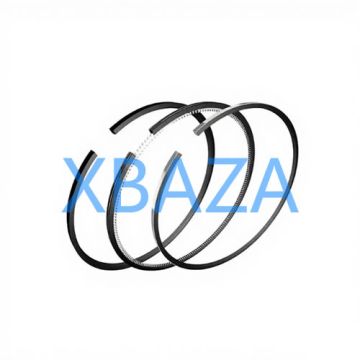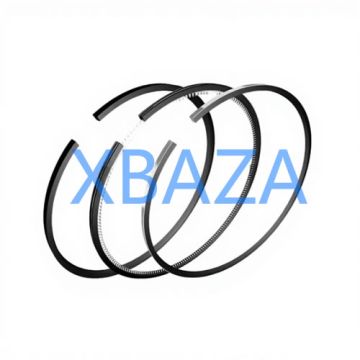


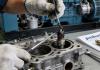
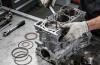




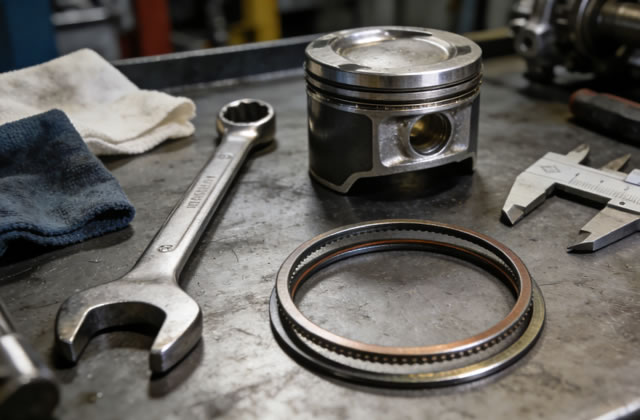
MWM (Motoren Werke Mannheim) engines are globally recognized as high-performance, heavy-duty power units widely applied in generators, marine vessels, industrial machinery, construction equipment, and automotive systems. As one of the most critical friction components in MWM engines, piston rings directly determine engine sealing performance, oil consumption control, power output, fuel efficiency, and service life.
Improper maintenance, untimely inspection, or incorrect installation of MWM piston rings will lead to severe failures such as power loss, excessive oil consumption, blow-by gas, abnormal noise, coolant mixing, and even catastrophic engine damage. This professional long guide systematically covers piston ring functions, failure analysis, daily maintenance, standard repair procedures, installation specifications, and long-term service strategies for all MWM engine models.
1. Core Functions of MWM Piston Rings
MWM piston rings are precision-engineered components designed to operate under extreme conditions of high temperature, high pressure, and high friction. Their core functions include:
- Combustion Sealing: Seal the combustion chamber to prevent high-temperature and high-pressure gas from leaking into the crankcase, ensuring maximum power conversion.
- Oil Control: Scrape excess lubricating oil from the cylinder liner surface to avoid oil entering the combustion chamber, reducing oil consumption and emissions.
- Heat Transfer: Conduct heat from the piston to the cylinder wall and cooling system, preventing piston overheating and thermal deformation.
- Piston Stabilization: Support the piston to maintain correct positioning, reduce lateral vibration, and minimize wear between piston and cylinder liner.
2. Common Failure Modes & Root Causes for MWM Piston Rings
2.1 Typical Failure Symptoms
- Excessive engine oil consumption (blue smoke from exhaust)
- Reduced engine power and acceleration performance
- Increased crankcase pressure (blow-by gas)
- Black carbon deposits on piston crown and combustion chamber
- High fuel consumption and poor emission performance
- Coolant contamination or oil mixing with water
- Abnormal knocking or rattling noise from engine cylinder block
2.2 Root Causes of Piston Ring Damage
- Poor Lubrication: Use of inferior lubricants, insufficient oil supply, or oil deterioration causes dry friction and ring wear.
- Overheating Operation: Cooling system failure, heavy load, or improper timing leads to thermal fatigue and ring breakage.
- Carbon Deposits: Low-quality fuel, incomplete combustion, and poor maintenance cause carbon clogging in ring grooves.
- Mechanical Wear: Long-term operation, abrasive particles, and cylinder liner wear accelerate ring failure.
- Incorrect Installation: Improper ring gap positioning, excessive pre-tension, or mismatched parts result in immediate damage.
- Corrosion Damage: Acidic substances from combustion or coolant leakage corrode piston ring surfaces.
3. Daily Maintenance & Preventive Care for MWM Piston Rings
Preventive maintenance is the most effective way to extend the service life of MWM piston rings and avoid unexpected downtime. Follow these strict maintenance protocols:
3.1 Lubrication Oil Management
- Use only genuine MWM recommended lubricants matching engine model and operating environment.
- Check oil level and quality daily; replenish or replace oil according to factory intervals.
- Regularly replace oil filters and fuel filters to remove impurities and abrasive particles.
- Monitor oil pressure and temperature in real time; abnormal values indicate lubrication system faults.
3.2 Cooling System Maintenance
- Maintain proper coolant level and concentration; use long-life antifreeze recommended by MWM.
- Clean radiators, water pumps, and pipelines regularly to ensure efficient heat dissipation.
- Avoid engine overheating under heavy load or low-speed operation.
3.3 Fuel Quality Control
- Use clean, standard-compliant diesel or fuel that meets MWM engine specifications.
- Drain water and sediment from fuel tanks and separators periodically.
- Inspect and clean fuel injectors to ensure complete combustion and reduce carbon deposits.
3.4 Regular Inspection Schedule
- Short inspection (500 operating hours): Check exhaust smoke, oil consumption, and crankcase pressure.
- Medium inspection (2000 operating hours): Perform cylinder pressure test and endoscope inspection of piston rings.
- Overhaul inspection (4000–8000 operating hours): Full disassembly inspection of piston rings, grooves, and cylinder liners.
4. Standard Repair & Overhaul Procedure for MWM Piston Rings
When piston rings reach wear limits or show obvious failure signs, follow this professional repair process to ensure engine performance recovery:
4.1 Pre-Repair Preparation
- Prepare genuine MWM piston ring kits, special tools, torque wrenches, and cleaning agents.
- Disconnect power, fuel supply, and cooling system; ensure engine is completely cooled.
- Record engine parameters and component positions for accurate reassembly.
4.2 Disassembly & Inspection
- Remove cylinder head, valve assembly, and connecting rod caps in sequence.
- Take out pistons and clean carbon deposits and oil sludge gently without scratching components.
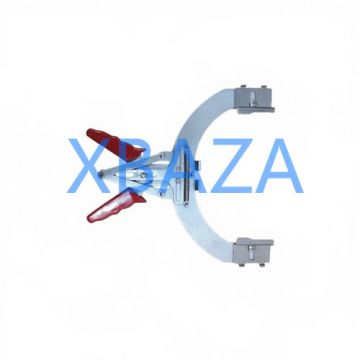
- Use professional tools to remove old piston rings without damaging piston grooves.
- Measure piston ring groove wear, ring tension, end gap, and side clearance with precision gauges.
- Inspect cylinder liner for scratches, ovality, and taper; replace if beyond tolerance.
4.3 Critical Installation Specifications
MWM piston ring installation requires strict adherence to factory standards:
- Clean piston grooves thoroughly to remove all carbon deposits; ensure smooth ring movement.
- Install rings in correct order: compression ring first, then secondary compression ring, finally oil control ring.
- Stagger ring end gaps by 120°–180° to avoid gas leakage; NEVER align gaps in a straight line.
- Check end gap, side gap, and radial gap after installation; all values must meet MWM specifications.
- Use professional ring compressors to install pistons into cylinders to prevent ring damage.
4.4 Reassembly & Commissioning
- Reassemble all components with specified torque values; use new gaskets and seals.
- Add qualified lubricating oil and coolant before starting.
- Run engine at idle speed for 30–60 minutes for break-in; monitor pressure, temperature, and noise.
- Conduct load test and check for oil leakage, gas leakage, and abnormal performance.
5. Break-In Procedure After MWM Piston Ring Replacement
Correct break-in is essential for new piston rings to achieve optimal sealing and wear resistance:
- Initial 2-hour operation: No-load idle running to ensure sufficient lubrication and initial fitting.
- Mid-term 5-hour operation: 30%–50% load; avoid sudden acceleration or heavy load.
- Late-term 10-hour operation: 70%–80% load; gradually stabilize engine parameters.
- Full-load operation: Only allowed after complete break-in; monitor oil consumption and exhaust.
During break-in, check oil level frequently and avoid prolonged idling to prevent carbon buildup.
6. Long-Term Service Strategy for Maximum Service Life
- Establish complete engine maintenance records and strictly follow MWM official service intervals.
- Avoid prolonged low-load, idle, or overloaded operation modes.
- Regularly perform endoscope inspections to monitor piston ring condition without disassembly.
- Train operators to follow correct start-up, operation, and shutdown procedures.
- Stock genuine MWM spare parts to avoid counterfeit components that cause premature failure.
- Conduct professional maintenance annually by MWM-certified technicians.
7. Troubleshooting Common Issues Post-Repair
7.1 Excessive Oil Consumption After Replacement
Possible causes: Incorrect ring installation, ring gap misalignment, cylinder liner wear, or incomplete break-in. Solution: Recheck installation or perform cylinder reconditioning.
7.2 Engine Blow-By Gas
Possible causes: Poor sealing, broken rings, or worn cylinder walls. Solution: Pressure test and replace damaged components.
7.3 Abnormal Noise from Cylinder Block
Possible causes: Improper ring fit, excessive clearance, or foreign particles. Solution: Stop operation and inspect immediately.
Conclusion
MWM piston rings are core components that determine the reliability and durability of MWM engines. Through scientific daily maintenance, standardized repair and installation, strict break-in procedures, and long-term preventive strategies, you can maximize piston ring service life, maintain stable engine performance, reduce operational costs, and avoid unexpected failures.
Always prioritize genuine MWM parts, professional tools, and factory-approved maintenance processes. For complex faults or technical doubts, contact official MWM service providers to ensure safe and efficient engine operation.