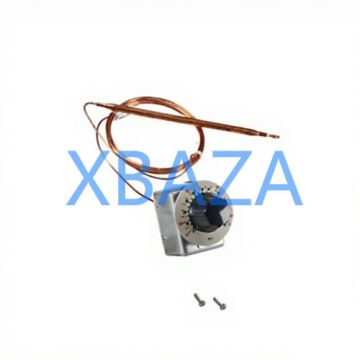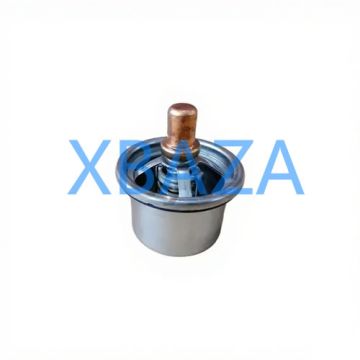








Caterpillar (CAT) thermostats are critical components in heavy-duty engines, regulating coolant flow to maintain optimal operating temperature, prevent overheating, reduce fuel consumption, and extend engine lifespan. Whether you own a CAT truck engine, generator set, excavator, loader, or marine engine, improper thermostat maintenance leads to severe engine damage, downtime, and costly repairs. This comprehensive guide covers everything you need to know about CAT thermostat inspection, routine maintenance, troubleshooting, repair, and replacement.
1. What Is a CAT Thermostat & Why It Matters
A CAT thermostat is a temperature-controlled valve installed in the engine’s cooling system. It remains closed when the engine is cold to allow rapid warm-up and opens at a specific temperature (typically 180°F–195°F / 82°C–90°C) to circulate coolant through the radiator.
Core Functions:
- Maintains ideal engine operating temperature
- Prevents cold-engine wear and excessive emissions
- Protects against overheating and cylinder head damage
- Improves fuel efficiency and heater performance
- Extends life of gaskets, seals, and engine components
2. Common Symptoms of a Failing CAT Thermostat
Early detection of thermostat issues prevents catastrophic engine failure. Watch for these warning signs:
- Engine Overheating – Stuck closed thermostat blocks coolant flow
- Engine Running Too Cold – Stuck open thermostat causes constant coolant circulation
- Poor Cabin Heating – Insufficient heat from vehicle heater
- Fluctuating Temperature Gauge Erratic coolant temperature readings
- Coolant Leaks Damaged thermostat housing or seal
- Increased Fuel Consumption Cold engine burns more fuel
- Check Engine Light (CEL) Triggered by temperature sensor anomalies
3. Routine Maintenance for CAT Thermostats
Preventive maintenance is the most effective way to avoid thermostat failure. Follow CAT’s official service intervals:
Recommended Maintenance Schedule
- Inspect thermostat housing and seals: Every 500 service hours
- Test thermostat operation: Every 1,000 service hours
- Replace thermostat: Every 2,000 service hours or 2 years (whichever comes first)
- Flush cooling system: Every 2,000–4,000 hours (use CAT-approved coolant)
Key Maintenance Steps
- Use Only CAT Genuine Coolant
CAT engines require ELC (Extended Life Coolant) to prevent corrosion, scale buildup, and thermostat valve sticking. - Check for Coolant Contamination
Oil, debris, or rust in coolant damages thermostat seals and blocks operation. - Tighten Housing Bolts Properly
Over-tightening cracks aluminum housings; under-tightening causes leaks. - Inspect Seals & Gaskets
Replace worn rubber seals/gaskets during every thermostat service.
4. Step-by-Step CAT Thermostat Testing Procedure
Test your CAT thermostat to verify functionality before replacement:
Tools Needed:
- Pot of water + heat source
- Thermometer (0–212°F / 0–100°C)
- Pliers or wrench
- Safety gloves
Testing Steps:
- Remove the thermostat from the engine (cool engine completely first)
- Place thermostat in a pot of cold water (do not let it touch the bottom)
- Heat the water slowly and monitor temperature
- Check opening temperature (match CAT specifications for your engine)
- Verify full opening at rated temperature + 10°F
- Cool water: Thermostat must fully close
Failure Result: Thermostat does not open/close at correct temperature → REPLACE IMMEDIATELY.
5. CAT Thermostat Removal & Replacement (Full Repair Process)
Follow these steps for safe, professional thermostat replacement:
Pre-Requisites:
- Genuine CAT thermostat (match engine model & temp rating)
- New housing gasket/seal
- CAT ELC coolant
- Basic hand tools
- Drain pan
Replacement Steps:
- Engine Safety Prep
Shut off engine, allow full cooling, disconnect battery to avoid accidental startup. - Drain Coolant
Place drain pan under radiator, open drain valve, and remove ~2–4 quarts of coolant. - Locate Thermostat Housing
Found where upper radiator hose connects to engine/intake manifold. - Remove Housing Bolts & Old Thermostat
Clean all gasket residue from mating surfaces (do not scratch aluminum). - Install New Thermostat
Position with spring side facing INTO the engine (critical for correct operation). - Install New Gasket/Seal
Use CAT-approved gasket sealant only if specified in service manual. - Reinstall Housing & Torque Bolts
Follow CAT torque specs to avoid cracking housing. - Refill Coolant & Bleed Air
Run engine, check for leaks, top off coolant, and purge air bubbles. - Test Operation
Monitor temperature gauge for 10–15 minutes to ensure normal operation.
6. Troubleshooting Common CAT Thermostat Issues
Issue 1: Thermostat Stuck Closed
Causes: Scale buildup, failed wax pellet, corrosion
Fix: Replace thermostat; flush cooling system
Issue 2: Thermostat Stuck Open
Causes: Broken spring, valve damage, overheating
Fix: Install new genuine CAT thermostat
Issue 3: Coolant Leaks at Housing
Causes: Bad gasket, cracked housing, loose bolts
Fix: Replace gasket; tighten bolts; replace housing if damaged
Issue 4: Engine Still Overheating After Replacement
Causes: Air lock, bad water pump, clogged radiator, head gasket failure
Fix: Bleed cooling system; inspect water pump; flush radiator
7. Pro Tips for Long-Lasting CAT Thermostat Performance
- Always use genuine CAT thermostats – aftermarket parts fail faster and void warranties
- Never run an engine without a thermostat
- Flush cooling system regularly to prevent sediment buildup
- Replace thermostat during major engine service
- Keep records of service hours and replacement dates
- Store spare thermostats in a cool, dry location
8. Final Recommendations
Your CAT engine’s cooling system depends on a fully functional thermostat. Routine inspection, proper coolant maintenance, and timely replacement are the best investments to avoid expensive downtime and repairs.
If you are unsure about testing or replacing the thermostat, contact an authorized CAT dealer for professional service. Always follow the official CAT Service Manual for your specific engine model.
Back to Top