

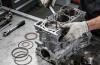




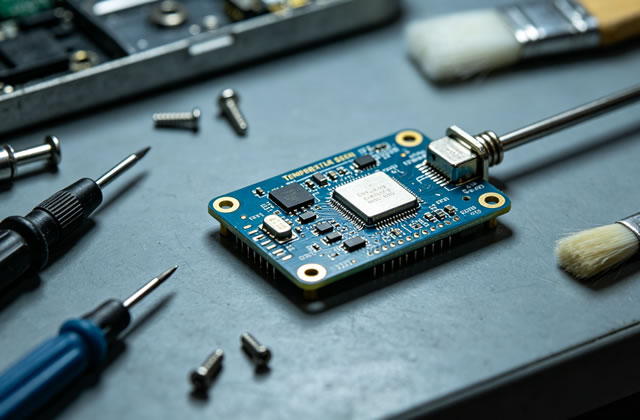
MWM temperature sensors are critical components used in MWM engines, generator sets, compressors, and industrial power systems. They monitor real-time operating temperatures—including coolant, oil, exhaust gas, and cylinder head temperatures—to ensure equipment stability, prevent overheating, reduce wear and tear, and extend service life. Irregular maintenance or undetected failures can lead to inaccurate readings, engine shutdowns, performance loss, and even severe mechanical damage. This guide provides a complete, professional overview of MWM temperature sensor inspection, routine maintenance, fault diagnosis, repair procedures, and long-term upkeep best practices.
1. Core Functions & Importance of MWM Temperature Sensors
MWM temperature sensors (typically NTC, PTC, or thermocouple types) deliver real-time temperature data to the engine control unit (ECU). Their stable performance directly affects:
- Engine thermal management and safe operating temperature control
- Fuel injection efficiency and combustion optimization
- Protection against overheating, overcooling, and thermal fatigue
- Early warning of mechanical failures (e.g., coolant leaks, oil degradation)
- Compliance with industrial operating standards and emission requirements
Without proper maintenance, sensors drift out of calibration, corrode, or fail—resulting in costly downtime and repairs.
2. Routine Maintenance Schedule & Procedures
Consistent preventive maintenance is the most effective way to avoid unexpected sensor failure. Follow this standardized schedule for MWM temperature sensors:
2.1 Daily Visual Inspection
- Check the sensor exterior for physical damage, cracks, or deformation
- Inspect wiring and connectors for looseness, fraying, or burn marks
- Verify no oil, coolant, or dust buildup on the sensing probe
- Confirm ECU shows stable, realistic temperature values
2.2 Weekly Preventive Maintenance
- Clean the sensor probe and surrounding area with a soft, lint-free cloth
- Check connector sealing and re-secure loose connections
- Test temperature response time and compare with baseline readings
- Record readings for trend analysis and early fault detection
2.3 Monthly Comprehensive Maintenance
- Perform resistance and voltage testing using a multimeter
- Inspect mounting torque and re-torque to MWM factory specifications
- Check for corrosion, oxidation, or water intrusion
- Calibrate sensor if readings deviate beyond acceptable limits
2.4 Annual Overhaul Maintenance
- Full disassembly, deep cleaning, and electrical performance testing
- Replace worn seals, gaskets, and damaged wiring harnesses
- Professional calibration against reference temperature sources
- Replace sensors approaching end of service life
3. Common Faults & Diagnosis Methods
Early fault detection reduces operational risks. Below are the most frequent MWM temperature sensor issues and diagnostic steps:
3.1 Inaccurate or Unstable Temperature Readings
Causes: Probe contamination, calibration drift, internal element aging, poor electrical contact
Diagnosis: Compare ECU readings with a calibrated infrared thermometer; check circuit resistance values against MWM standard parameters
3.2 No Temperature Signal / ECU Alarm
Causes: Broken wiring, disconnected connector, short circuit, complete sensor failure
Diagnosis: Use multimeter to check continuity and voltage; inspect for open or short circuits
3.3 Slow Response Time
Causes: Carbon deposits, oil fouling, probe oxidation, internal degradation
Diagnosis: Visually inspect probe condition; test response during engine warm-up
3.4 Corrosion & Water Damage
Causes: Damaged seals, high-moisture environment, coolant leaks
Diagnosis: Check for green/white oxidation on connectors; test insulation resistance
4. Professional Repair Procedures for MWM Temperature Sensors
Follow this step-by-step process to safely repair and restore MWM temperature sensors:
- Preparation: Power off the equipment, allow cooling, prepare calibrated tools, cleaning materials, and replacement parts.
- Removal: Disconnect the electrical connector, loosen the mounting nut, and carefully remove the sensor—avoid bending or breaking the probe.
- Cleaning: Remove deposits, oil, and carbon using MWM-recommended solvents; gently wipe the probe without scratching.
- Electrical Testing: Measure resistance, voltage, and continuity to identify internal faults.
- Component Replacement: Replace damaged wiring, connectors, seals, or gaskets with genuine MWM parts.
- Calibration: Calibrate the sensor using a temperature bath or reference sensor to meet factory accuracy.
- Reinstallation: Reinstall the sensor to specified torque; reconnect wiring and ensure full sealing.
- Functional Testing: Restart the engine, monitor readings, and verify no alarms or abnormalities.
- Documentation: Record repair details, calibration data, and next maintenance date for traceability.
5. When to Replace MWM Temperature Sensors
Repair is not always cost-effective. Replace the sensor in the following situations:
- Internal element damage or irreversible calibration drift
- Cracked probe, broken housing, or severe corrosion
- Consistent ECU errors after repair and calibration
- Sensor age exceeds 3–5 years (high-temperature environments)
- Non-genetic parts with poor compatibility and stability
Always use genuine MWM temperature sensors for replacement to ensure performance and compatibility.
6. Long-Term Upkeep & Best Practices
To maximize service life and reliability of MWM temperature sensors:
- Install sensors in dry, clean, low-vibration locations when possible
- Use protective sleeves or heat shields in high-temperature zones
- Avoid sudden impacts, twisting, or over-tightening during installation
- Keep connectors sealed and protected from moisture and chemicals
- Maintain complete maintenance records for trend analysis
- Train operators to recognize early warning signs of sensor failure
- Partner with authorized MWM service providers for professional calibration
7. Conclusion
MWM temperature sensors are vital for the safe, efficient, and reliable operation of MWM industrial engines and power systems. A structured maintenance program reduces failure risk, improves accuracy, lowers operational costs, and extends equipment lifespan. By following daily, weekly, monthly, and annual maintenance procedures, performing accurate fault diagnosis, conducting professional repairs, and replacing worn sensors in a timely manner, you can ensure continuous and stable performance.
Regular maintenance is not just a task—it is a long-term investment in operational safety, equipment durability, and business productivity.