




Protect Your Engine, Maximize Performance, Extend Service Life
1. What is a MWM Knock Sensor & Why It Matters
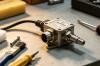
The MWM knock sensor is a piezoelectric sensor mounted directly on the engine block, cylinder head, or intake manifold of MWM industrial, marine, and automotive engines. Its core function is to detect abnormal combustion (engine knock/detonation) caused by low-quality fuel, incorrect ignition timing, overheating, or excessive load.
When knock is detected, the sensor sends an electrical signal to the ECU, which immediately adjusts engine parameters to prevent damage. A faulty sensor leads to:
- Severe engine component damage (pistons, valves, bearings)
- Reduced engine power and acceleration
- Poor fuel efficiency (10-30% higher consumption)
- Increased exhaust emissions and non-compliance
- ECU error codes and engine warning lights
2. Scheduled Maintenance for MWM Knock Sensors
Preventive maintenance is the most effective way to avoid unexpected sensor failure and engine downtime. Follow this service schedule:
Recommended Maintenance Intervals
- Every 500 operating hours: Visual inspection of the sensor, wiring, and connectors
- Every 2,000 operating hours: Functional testing and cleaning
- Every 4,000 operating hours: Full diagnostic check and torque verification
- Every 6,000-8,000 operating hours: Recommended replacement (preventive)
Routine Maintenance Steps
- Disconnect the battery negative terminal before any service
- Inspect the knock sensor body for cracks, corrosion, oil contamination, or physical damage
- Clean the sensor mounting surface and engine contact area to remove oil, dirt, and carbon deposits
- Check the wiring harness for fraying, cuts, or loose connections
- Verify the sensor mounting torque (MWM standard: 20-25 Nm / 15-18 ft-lbs) – over/under-tightening causes failure
- Reconnect the battery and clear temporary ECU fault codes
3. Common Symptoms of a Faulty MWM Knock Sensor
Recognize these warning signs early to avoid catastrophic engine failure:
- Illuminated Check Engine Light (CEL) or ECU fault codes (P0325, P0330 – universal knock sensor codes)
- Audible engine knocking/pinging under load or acceleration
- Rough idling and unstable engine RPM
- Increased fuel consumption and black smoke from exhaust
- ECU defaults to safe mode (retarded timing) to protect the engine
- Digital multimeter
- MWM ECU diagnostic software (DIALOG, CANdiag)
- Torque wrench
- Wiring diagram for your MWM engine model
- Connect the diagnostic tool to the ECU and read stored fault codes
- Set multimeter to voltage mode; back-probe the sensor connector
- Start the engine and rev to 2000-3000 RPM – a working sensor produces 0.1-0.9V AC voltage
- Inspect for open/short circuits in the wiring harness
- Confirm mounting torque is within MWM factory specifications
- Repair frayed wires with heat-shrink connectors and electrical tape
- Clean corroded pins with electrical contact cleaner
- Replace broken connectors with OEM-compatible parts
- Secure wiring away from hot engine components to prevent damage
- Disconnect the battery negative cable to prevent electrical shorts
- Locate the knock sensor (refer to MWM engine service manual)
- Disconnect the electrical connector
- Loosen and remove the sensor using a torque wrench
- Clean the mounting surface on the engine block thoroughly
- Install the genuine MWM knock sensor (avoid aftermarket low-quality sensors)
- Tighten to OEM torque: 20-25 Nm (DO NOT OVER-TIGHTEN)
- Reconnect the wiring harness and battery
- Use diagnostic software to clear fault codes and recalibrate the ECU
- Start the engine and test for knock, smooth operation, and error codes
- Use only high-quality, recommended fuel for your MWM engine to reduce knock risk
- Maintain proper engine cooling system function to prevent overheating
- Keep the engine bay clean and free of oil leaks that contaminate the sensor
- Avoid overloading the engine beyond manufacturer specifications
- Schedule regular ECU diagnostics to catch sensor issues early
- Store spare sensors in a dry, vibration-free environment (piezoelectric components are fragile)
4. Diagnostic Testing for MWM Knock Sensors
Use these professional methods to test sensor functionality:
Tools Required
Testing Procedure
Failure Indicator: No voltage output, constant 0V, or intermittent signal = defective sensor.
5. MWM Knock Sensor Repair & Replacement Procedure
Minor repairs (wiring/connector fixes) are possible; full sensor replacement is required for internal damage.
Repair (Wiring & Connectors)
Full Replacement (Step-by-Step)
6. Long-Term Care Tips for MWM Knock Sensors
7. Final Thoughts
The MWM knock sensor is a small but mission-critical component that directly impacts engine reliability, performance, and service life. Skipping maintenance or delaying replacement leads to expensive overhauls and unexpected downtime.
By following this maintenance and repair guide, you ensure your MWM engine operates safely, efficiently, and reliably for years to come. Always consult your official MWM engine service manual for model-specific specifications and torque values.

