






1. Introduction to CAT Fuel Filter Importance
Caterpillar (CAT) fuel filters are critical components for all CAT diesel engines, including heavy-duty trucks, excavators, loaders, generators, and marine engines. The fuel filter’s primary role is to remove harmful contaminants such as dirt, rust, water, and debris from diesel fuel before it reaches the engine’s fuel injection system.
CAT fuel injection systems are high-precision components—even tiny particles can cause irreversible damage to fuel pumps, injectors, and cylinders, leading to expensive repairs, engine downtime, and reduced performance.
Regular fuel filter maintenance is the most cost-effective way to protect your CAT engine, extend its service life, maintain fuel efficiency, and avoid unexpected breakdowns in harsh working environments.
2. Key Functions of CAT Fuel Filters
- Filter out solid contaminants (dust, metal particles, sediment)
- Separate and trap water from diesel fuel (prevents corrosion and microbial growth)
- Protect high-pressure fuel injectors and pumps from abrasion and clogging
- Stabilize fuel pressure and ensure consistent engine performance
- Reduce exhaust emissions and maintain compliance with environmental standards
- Prevent engine misfires, hard starting, and power loss
3. Recommended Maintenance Intervals
Follow CAT official specifications for fuel filter replacement intervals—adjust based on operating conditions:
- Standard Conditions: Replace every 500 operating hours or 6 months (whichever comes first)
- Severe Conditions (dusty, wet, low-quality fuel): Replace every 250–300 operating hours
- Water Detection: Drain water separator daily; replace filter immediately if excessive water is present
- Primary & Secondary Filters: Replace both together for maximum protection (do not replace only one)
4. Tools & Parts Required for Service
Genuine CAT Parts
- CAT primary fuel filter (water separator)
- CAT secondary fuel filter (fine filtration)
- New sealing washers/O-rings (included with genuine filters)
Tools
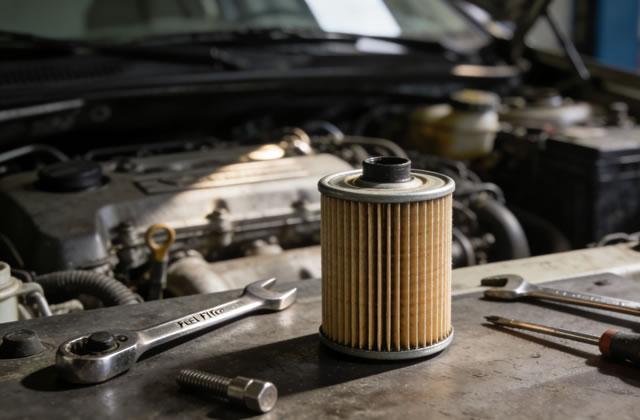
- Filter wrench (matching CAT filter size)
- Clean rags / lint-free towels
- Drain pan / fuel-safe container
- Safety gloves & safety glasses
- Dielectric grease (optional, for sensor connections)
- Fuel priming pump (built-in on most CAT engines)
5. Step-by-Step CAT Fuel Filter Replacement Procedure
Step 1: Prepare the Engine & Work Area
- Turn off the engine and remove the key from the ignition
- Engage the parking brake and chock the wheels (for mobile equipment)
- Relieve fuel system pressure by loosening the fuel filler cap slightly
- Place a drain pan under the fuel filter assembly to catch spilled fuel
Step 2: Drain Water & Fuel from the Old Filter
- Locate the water drain valve on the primary fuel filter (water separator)
- Open the drain valve and let all water and sediment flow into the drain pan
- Close the drain valve tightly once drained completely
Step 3: Remove the Old Fuel Filters
- Use a filter wrench to loosen the old primary and secondary filters
- Unscrew filters by hand and remove them from the mounting base
- Wipe the filter mounting surface clean with a lint-free rag—remove all old gasket material
Step 4: Prepare New CAT Filters
- Inspect new genuine CAT filters for damage or defects
- Apply a thin, even layer of clean diesel fuel to the new rubber gasket/O-ring (DO NOT use oil or grease)
- Fill the new filter housing with clean diesel fuel (reduces air bubbles and speeds priming)
Step 5: Install New Filters
- Screw the new filter onto the mounting base by hand until the gasket contacts the base
- Tighten an additional ½ to ¾ turn by hand—DO NOT over-tighten (causes gasket damage and leaks)
- Ensure both primary and secondary filters are installed securely
Step 6: Prime the Fuel System
- Locate the manual priming pump (usually a black rubber bulb or plunger on the filter head)
- Pump the primer repeatedly until you feel firm resistance (removes air from the fuel system)
- Check for fuel leaks around the filter bases and connections
Step 7: Start the Engine & Verify Operation
- Start the engine and let it idle for 3–5 minutes
- Inspect for leaks at filter bases, fittings, and fuel lines
- Check engine idle quality—no rough running or misfires
- Check the dashboard for fuel system warning lights (should be off)
Step 8: Final Cleanup & Documentation
- Wipe up all spilled fuel and clean the engine compartment
- Dispose of old filters and used fuel according to local environmental regulations
- Record the service date, operating hours, and filter part numbers in your maintenance log
6. Troubleshooting Common Fuel Filter Issues
Clogged Fuel Filter Symptoms
- Engine power loss under load
- Hard starting or no-start conditions
- Rough idle, stalling, or engine misfires
- Reduced fuel efficiency
- Illuminated fuel pressure warning light
Water Contamination Symptoms
- Water in fuel warning light activated
- Engine corrosion and injector damage
- Microbial growth (slime/mold) in the fuel system
- Fuel system freezing in cold temperatures
Air in Fuel System Symptoms
- Engine starts then stalls
- Intermittent power loss
- Bubbles in the fuel filter clear bowl
7. Best Practices for Long-Term Fuel System Health
- ALWAYS use genuine CAT fuel filters—aftermarket filters cause premature engine failure
- Use clean, high-quality diesel fuel from reputable suppliers
- Drain the water separator daily for equipment operating in wet/humid conditions
- Replace both primary and secondary filters at the same time
- Store fuel filters in a clean, dry environment before installation
- Never reuse old gaskets or filters
- Perform regular fuel system inspections (every 100 hours)
- Keep fuel tanks full to reduce condensation and water buildup
8. Conclusion
CAT fuel filter maintenance is a simple yet vital task that directly impacts the reliability, performance, and lifespan of your Caterpillar diesel engine. Skipping or delaying filter replacement leads to catastrophic fuel system damage, costly downtime, and voided warranties.
By following the official CAT service procedures, using genuine parts, and adhering to recommended maintenance intervals, you can maximize uptime, reduce operating costs, and ensure your CAT equipment performs at its best in any working condition.
Always refer to your specific CAT engine’s service manual for model-specific instructions and specifications.

