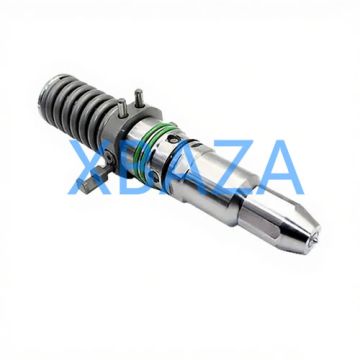




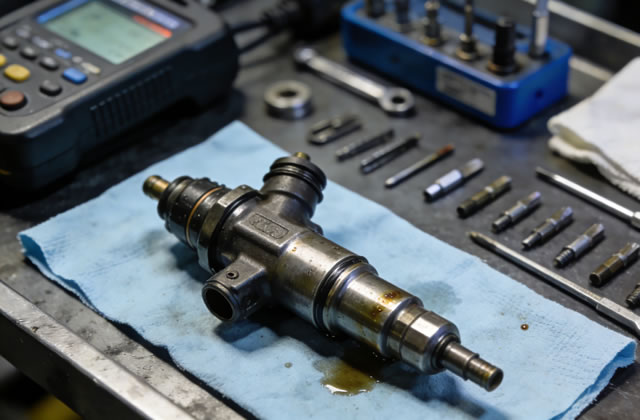
Caterpillar (CAT) fuel injectors are critical components in diesel engines, responsible for delivering precise amounts of fuel into the combustion chamber at optimal pressure and timing. Proper maintenance and timely repair of these injectors are essential to ensure engine performance, fuel efficiency, and longevity. This guide outlines best practices for inspecting, maintaining, and repairing CAT fuel injectors for both heavy-duty and industrial applications.
1. Key Functions of CAT Fuel Injectors
CAT fuel injectors are engineered to meet the strict performance standards of Caterpillar engines. Their core functions include:
- Atomizing fuel into fine droplets for complete combustion
- Controlling fuel delivery timing to match engine load and speed
- Maintaining consistent fuel pressure (typically 20,000–30,000 PSI for modern CAT injectors)
- Preventing fuel leakage and ensuring optimal engine emissions compliance
2. Common Signs of Faulty CAT Fuel Injectors
Early detection of injector issues can prevent costly engine damage. Watch for these warning signs:
- Reduced engine power or sluggish acceleration
- Increased fuel consumption (10–20% higher than normal)
- Rough idling, misfires, or excessive engine noise
- Black smoke from the exhaust (indicates incomplete combustion)
- Hard starting or frequent stalling
- Oil contamination (fuel leaking into the crankcase)
- Check Engine Light (CEL) or diagnostic trouble codes (DTCs) such as P0200-P0208 (injector circuit faults)
3. Pre-Maintenance Preparation
3.1 Safety Precautions
- Disconnect the battery to avoid electrical hazards
- Wear personal protective equipment (PPE): safety glasses, heat-resistant gloves, and fuel-resistant clothing
- Work in a well-ventilated area to avoid diesel fuel fume inhalation
- Relieve fuel system pressure before removing injectors (follow CAT engine service manual instructions)
3.2 Required Tools and Equipment
Essential tools for CAT fuel injector maintenance/repair:
- CAT-specific injector removal tool kit (part number dependent on engine model)
- Torque wrench (calibrated for CAT torque specifications)
- Fuel pressure gauge (capable of measuring up to 30,000 PSI)
- Ultrasonic cleaner (for injector nozzle cleaning)
- Injector flow test bench (to verify fuel delivery accuracy)
- O-ring and seal replacement kit (genuine CAT parts recommended)
- Lint-free cloths, fuel system cleaner, and torque specification chart
4. Step-by-Step Maintenance Procedures
4.1 Inspection
- Remove the injector from the engine (follow CAT service manual for your engine model).
- Visually inspect for physical damage: cracks, corrosion, or bent nozzles.
- Check for fuel leaks around the O-rings and seal surfaces.
- Use a magnifying glass to inspect the injector nozzle for carbon buildup or clogged spray holes.
- Test injector resistance with a multimeter (refer to CAT specs: typically 1–5 ohms for solenoid injectors).
4.2 Cleaning
Carbon deposits and contaminants are the most common causes of injector inefficiency. Follow these cleaning steps:
- Place the injector in an ultrasonic cleaner filled with CAT-approved cleaning solution (avoid harsh solvents).
- Run the cleaner for 20–30 minutes at 40–50°C to dissolve carbon buildup.
- Rinse the injector with clean diesel fuel to remove residual cleaner.
- Blow dry with compressed air (low pressure: 30–40 PSI) to avoid damaging delicate components.
4.3 Replacement of Wear Parts
Replace these components during routine maintenance (every 2,000–3,000 operating hours):
| Component | Replacement Interval | Notes |
|---|---|---|
| O-rings and seals | Every maintenance cycle | Use genuine CAT parts to prevent leaks |
| Injector nozzle | 20,000 operating hours or if damaged | Check spray pattern on flow test bench |
| Pressure seal washers | Every injector removal | Never reuse washers (risk of pressure loss) |
5. Professional Repair vs. Replacement
Determine whether to repair or replace a faulty injector based on these criteria:
- Repair: Clogged nozzles, minor O-ring leaks, or electrical connector issues (cost-effective, 80–90% of cases).
- Replace: Cracked injector body, internal valve damage, excessive wear (more than 15% flow variation from specs), or irreparable nozzle damage.
6. Post-Repair Testing and Verification
After maintenance/repair, verify injector performance with these steps:
- Install the injector and torque to CAT specifications (typically 40–60 N·m for hold-down bolts).
- Perform a fuel pressure test to confirm no leaks (system pressure should hold for 10+ minutes).
- Start the engine and check for smooth idling, no exhaust smoke, and normal power output.
- Use a CAT diagnostic tool (e.g., CAT ET – Electronic Technician) to scan for DTCs and verify injector timing.
- Monitor fuel consumption and engine performance for the first 50–100 operating hours post-repair.
7. Preventive Maintenance Best Practices
Extend the life of CAT fuel injectors with these preventive measures:
- Use only CAT-approved diesel fuel (meet ASTM D975 standards) and fuel additives.
- Replace fuel filters at recommended intervals (every 500–1,000 operating hours).
- Keep fuel tanks clean and free of water/contaminants (use water separators).
- Perform regular injector flow tests (every 10,000 operating hours).
- Avoid prolonged engine idling (increases injector carbon buildup).
8. Conclusion
CAT fuel injectors are precision-engineered components that require careful maintenance to ensure optimal engine performance. By following the steps outlined in this guide—including early fault detection, proper cleaning, genuine part replacement, and post-repair testing—you can extend the lifespan of your injectors, reduce downtime, and maximize the efficiency of your CAT diesel engines. Always refer to the official CAT service manual for model-specific procedures and torque specifications.