




1. Introduction to CAT Gas Pressure Sensors
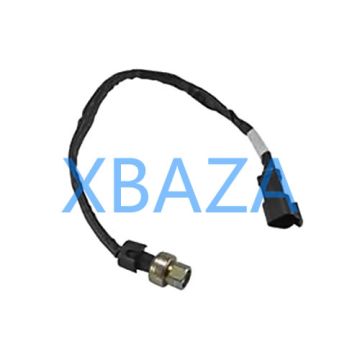
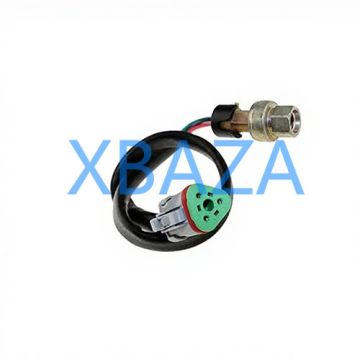
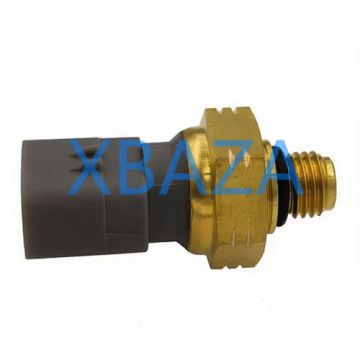
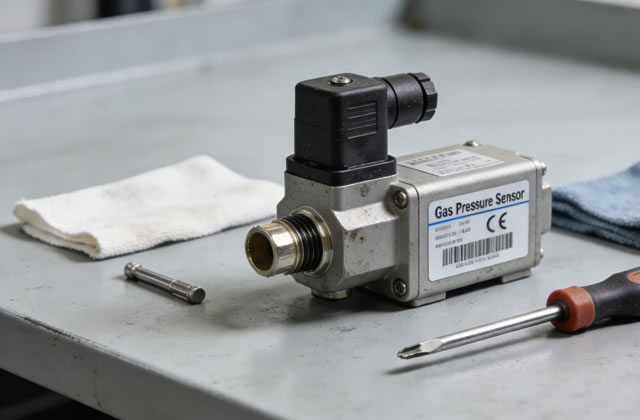
Caterpillar (CAT) gas pressure sensors are critical components designed for CAT industrial engines, gas compressors, generators, and heavy-duty equipment. These sensors monitor real-time gas pressure levels (natural gas, biogas, propane, etc.) to ensure optimal engine performance, fuel efficiency, emission control, and operational safety.
Proper maintenance and timely repair of CAT gas pressure sensors directly reduce equipment downtime, prevent costly engine damage, and extend the service life of both the sensor and the host machinery.
2. Core Functions & Working Principle
2.1 Core Functions
- Monitor intake gas pressure, fuel supply pressure, and exhaust gas pressure
- Transmit real-time pressure data to the engine control module (ECM)
- Support fuel injection adjustment, air-fuel ratio optimization, and fault diagnosis
- Trigger safety alarms when pressure exceeds normal operating ranges
- Prevent engine misfires, power loss, and gas leakage risks
2.2 Working Principle
CAT gas pressure sensors use piezoresistive sensing technology. The internal sensing element converts gas pressure into an electrical signal (voltage/current), which is processed and sent to the ECM. The ECM uses this data to regulate engine operation, ensuring stable and safe performance under varying load conditions.
3. Routine Maintenance Procedures (Preventive Care)
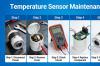
Routine maintenance is the most effective way to avoid sensor failure and extend service life. Perform the following checks at scheduled intervals:
3.1 Visual Inspection (Daily/Shift Check)
- Inspect the sensor exterior for physical damage: cracks, dents, corrosion, or oil/gas contamination
- Check the wiring harness and connector for loose pins, frayed wires, water intrusion, or oxidation
- Verify the sensor mounting bracket is tight and free of vibration damage
- Confirm no gas leaks around the sensor port and sealing gasket
3.2 Cleaning & Contamination Prevention (Weekly Maintenance)
- Use a clean, dry cloth to wipe the sensor housing and connector—DO NOT use water, solvents, or high-pressure air directly on the sensor
- Remove dust, oil, grease, and gas residues from the mounting area
- Inspect the sensor pressure port for blockages caused by debris, moisture, or condensate
- Ensure the sensor is installed in a dry, well-ventilated location away from high heat and vibration
3.3 Electrical Connection Inspection (Monthly Maintenance)
- Disconnect the battery power before inspecting electrical connections
- Clean the connector pins with electrical contact cleaner and a soft brush
- Check for pin corrosion, bent terminals, or loose crimps
- Reconnect the harness securely and verify locking clips are engaged
3.4 Calibration Verification (Quarterly/Annual Service)
- Use CAT-approved diagnostic tools (e.g., CAT Electronic Technician (ET)) to test sensor output accuracy
- Compare real-time pressure readings with factory calibration standards
- Recalibrate or replace the sensor if readings deviate beyond acceptable tolerance
- Record calibration data in equipment service logs for traceability
4. Common Faults & Troubleshooting
4.1 Typical Failure Symptoms
- Engine power loss, rough idle, or stalling
- Error codes: P0107, P0108, P0117 (pressure sensor circuit faults)
- Erratic fuel consumption and increased exhaust emissions
- ECM fault alarms and intermittent sensor signal loss
- Gas pressure reading abnormalities on the control panel
4.2 Step-by-Step Troubleshooting
- Power & Ground Check: Test sensor voltage supply (normally 5V) and ground connection with a multimeter
- Wiring Test: Check for short circuits, open circuits, or damaged wiring between the sensor and ECM
- Signal Output Test: Use CAT ET to monitor live pressure data—no output = faulty sensor
- Mechanical Inspection: Check for blocked pressure ports, damaged seals, or loose mounting
- Environmental Check: Ensure the sensor is not exposed to extreme heat, moisture, or excessive vibration
5. Professional Repair & Replacement Guidelines
5.1 When to Repair vs. Replace
Repairable Issues:
- Loose electrical connections or corroded pins
- Minor external contamination (cleanable)
- Damaged wiring harness (repairable with OEM-grade wiring)
Replacement Required:
- Internal sensing element failure
- Cracked sensor housing or pressure port
- Permanent signal loss or calibration drift
- Water intrusion into the sensor interior
- Sensor age exceeding 3–5 years (service life limit)
5.2 Sensor Replacement Steps
- Shut down the engine, disconnect the battery, and relieve all gas pressure from the system
- Disconnect the sensor electrical connector carefully
- Use proper tools to remove the sensor—avoid over-tightening or cross-threading
- Replace the sealing gasket/O-ring with a new CAT genuine part
- Install the new OEM CAT gas pressure sensor to specified torque values
- Reconnect the wiring harness and restore power
- Start the engine, run idle, and verify normal pressure readings with CAT ET
- Clear fault codes and perform a full operational test
6. Safety Protocols for Maintenance & Repair
- Always shut off engine power and gas supply before any service work
- Relieve all residual gas pressure to prevent fire or explosion hazards
- Wear proper PPE: safety glasses, gloves, and flame-resistant clothing
- Work in a well-ventilated area—no open flames or sparks nearby
- Follow CAT equipment lockout/tagout (LOTO) procedures
- Do not expose sensors to open flame, high heat, or corrosive chemicals
7. Service Life Extension Best Practices
- Follow CAT’s recommended maintenance schedule strictly
- Install gas filters and moisture separators to protect the sensor from contaminants
- Avoid excessive vibration and mechanical shock to the sensor
- Protect the sensor from direct water spray, rain, and condensation
- Store spare sensors in a dry, dust-free environment
- Train operators to recognize early sensor fault symptoms
- Keep complete service records for all maintenance and repairs
8. Conclusion
CAT gas pressure sensors are vital for the reliable and safe operation of CAT gas-powered equipment. A proactive maintenance strategy—including routine inspection, cleaning, electrical checks, and timely calibration—maximizes sensor performance, minimizes downtime, and reduces operational costs.
When faults occur, follow CAT troubleshooting guidelines and use genuine OEM parts for repair or replacement. Adhering to safety protocols and best practices ensures long-term reliability and protects your equipment investment.