







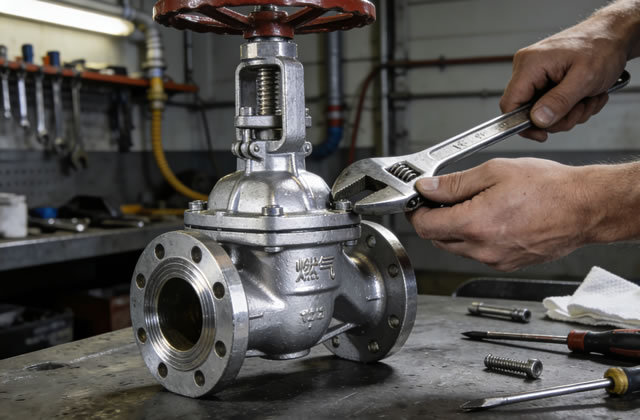
1. Introduction to CAT Gas Valves
Caterpillar (CAT) gas valves are critical components for CAT gas-powered engines, generators, and industrial gas systems. They control gas flow, pressure regulation, safety shutoff, and combustion efficiency. Proper maintenance and timely repair of CAT gas valves ensure equipment reliability, reduce downtime, prevent safety hazards, and extend the service life of CAT gas systems.
CAT gas valves are widely used in natural gas, biogas, propane, and other gaseous fuel applications. Malfunctions such as leakage, poor sealing, unstable pressure, or failure to open/close will directly lead to engine performance degradation, fuel waste, or severe safety accidents.
1. Isolate the gas supply completely and confirm zero pressure in the pipeline.
2. Turn off all power sources related to the valve and engine system.
3. Ventilate the work area to eliminate flammable gas accumulation.
4. Wear personal protective equipment (PPE): safety goggles, heat-resistant gloves, flame-resistant clothing.
5. Prepare fire extinguishing equipment and gas detection tools.
6. Do not perform maintenance in environments with open flames or static electricity risks.
2. Routine Preventive Maintenance of CAT Gas Valves
Routine maintenance is the most effective way to avoid unexpected failures. It is recommended to perform inspections and maintenance according to CAT’s official service cycle or operating conditions (daily/weekly/monthly/quarterly).
2.1 Daily Visual Inspection
- Check for external gas leakage using a gas leak detector or soapy water (focus on joints, seals, and valve body)
- Inspect for physical damage, corrosion, deformation, or cracks on the valve housing
- Verify normal indicator status (open/close lights, pressure gauges, alarm signals)
- Listen for abnormal noise (hissing, rattling) during valve operation
2.2 Weekly Functional Inspection
- Test manual opening/closing function for smooth operation (no jamming or stiffness)
- Check solenoid coil operation (no overheating, abnormal vibration, or burnt odor)
- Confirm pressure stability and response speed during gas flow adjustment
- Clean external dust, oil, and debris from the valve and mounting bracket
2.3 Monthly Comprehensive Maintenance
- Tighten all mounting bolts, pipe connectors, and electrical terminals to specified torque
- Inspect wiring harness for wear, cracking, or loose connections
- Lubricate moving parts (shafts, stems, bearings) with CAT-approved lubricants
- Calibrate pressure settings and verify shutoff response time
- Check filter elements (if integrated) and clean or replace as needed
2.4 Quarterly/Annual Overhaul Maintenance
- Disassemble the valve completely for internal inspection
- Clean valve seat, plug, diaphragm, and internal passages
- Inspect seals, gaskets, O-rings for wear, hardening, or damage
- Measure wear of critical components and replace worn parts
- Perform pressure testing, leak testing, and performance calibration
- Document maintenance records and update service history
3. Common Failures & Professional Repair Methods
Below are the most frequent failures of CAT gas valves and step-by-step repair solutions:
3.1 Gas Leakage (External/Internal)
Causes: Damaged seals, loose connectors, worn valve seat, cracked valve body
Repair Steps:
- Confirm leakage location with gas detector
- Replace O-rings, gaskets, and diaphragms with genuine CAT parts
- Resurface or replace worn valve seats/plugs
- Retighten all fasteners to CAT factory torque specifications
- Conduct pressure decay test to verify leak repair
3.2 Valve Fails to Open/Close
Causes: Stuck stem, faulty solenoid, debris blockage, broken spring
Repair Steps:
- Disassemble and clean internal components with approved solvent
- Replace damaged solenoid coil, spring, or actuator
- Lubricate moving components with CAT-specified lubricant
- Test electrical connections and control signals
- Verify full stroke movement and proper sealing
3.3 Unstable Gas Pressure/Flow
Causes: Misadjusted regulator, clogged passages, worn diaphragm
Repair Steps:
- Clean all internal gas passages and filter screens
- Replace deformed or worn diaphragms
- Recalibrate pressure regulator to CAT factory settings
- Test pressure stability under load conditions
3.4 Overheating & Abnormal Vibration
Causes: Friction damage, misalignment, loose mounting, coil failure
Repair Steps:
- Check alignment of valve and pipeline
- Replace overheated solenoid coils
- Retighten mounting brackets and support structures
- Balance moving parts and eliminate friction points
4. Genuine CAT Parts & Recommended Tools
To ensure repair quality and long-term reliability, only use genuine CAT replacement parts:
- Seals, O-rings, gaskets, diaphragms
- Valve seats, plugs, stems, and springs
- Solenoid coils, actuators, and electrical connectors
- Filters, screws, bolts, and mounting components
Recommended Maintenance Tools:
- Gas leak detector, pressure gauge, torque wrench
- Valve disassembly tools, calibration equipment
- Electrical multimeters, cable crimping tools
- CAT-approved cleaning solvents and lubricants
5. Post-Repair Testing & Commissioning
After maintenance or repair, strict testing is required before putting the valve back into service:
- Leak Test: Apply specified test pressure and check for zero leakage
- Function Test: Verify full open/close operation and response time
- Pressure Calibration: Confirm output pressure meets CAT specifications
- Electrical Test: Check voltage, current, and control signal stability
- Load Operation Test: Run with engine/system to confirm normal performance
- Final Inspection: Review all indicators, alarms, and safety functions
6. Maintenance Records & Service Life Management
Complete maintenance records are essential for CAT gas valve management:
- Record maintenance date, type, operating hours, and conditions
- Document replaced parts, calibration data, and test results
- Track failure causes and preventive improvement measures
- Plan next maintenance cycle based on usage and wear status
Under normal operating conditions, CAT gas valves have a service life of 3–5 years. Severe environments (high corrosion, high humidity, heavy dust) require shorter replacement cycles for wearable parts.
7. Conclusion
CAT gas valves are core safety and control components for CAT gas equipment. Systematic preventive maintenance, professional repair with genuine parts, strict post-repair testing, and standardized record management can maximize valve performance, minimize failure risks, reduce operational costs, and ensure the safe, stable, and efficient operation of CAT gas systems.
Always follow CAT official service manuals and safety standards. For complex failures, contact authorized CAT service technicians for professional support.

