








1. Introduction to CAT Ignition Coils
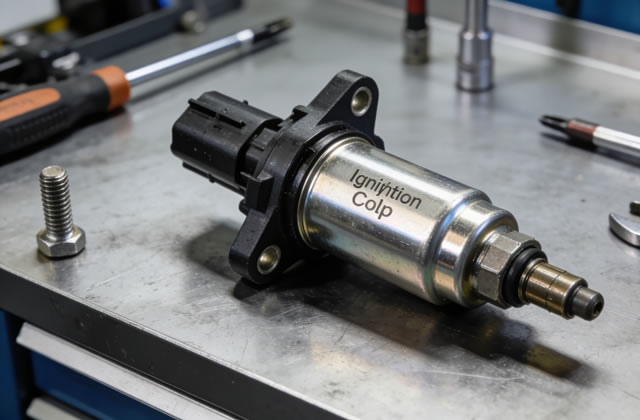
Caterpillar (CAT) ignition coils are critical electrical components for CAT industrial engines, generators, construction machinery, and heavy-duty vehicles. These coils convert low-voltage battery power into high-voltage electricity (up to 40,000+ volts) to ignite the air-fuel mixture in engine cylinders.
A properly functioning ignition coil ensures optimal engine performance, fuel efficiency, and emission control. Neglected or damaged ignition coils lead to power loss, misfires, increased fuel consumption, and permanent engine damage over time.
2. Core Functions of CAT Ignition Coils
- Step-up 12V/24V battery voltage to high-tension voltage for spark plug ignition
- Ensure consistent, timed spark delivery to each engine cylinder
- Support smooth engine startup, idle, and full-load operation
- Reduce harmful exhaust emissions and fuel waste
- Protect engine components from misfire-related wear and tear
3. Common Symptoms of Failing CAT Ignition Coils
Recognize these warning signs early to avoid costly engine repairs:
- Engine misfires, rough idling, or vibration during operation
- Hard starting, extended cranking time, or no-start conditions
- Significant drop in engine power and acceleration
- Increased fuel consumption and black smoke from exhaust
- Illuminated check engine/ fault codes (P0300-P0308)
- Burnt smell, cracks, or corrosion on the ignition coil housing
- Intermittent engine stalling under load or at idle
4. Preventive Maintenance for CAT Ignition Coils
Regular maintenance extends ignition coil lifespan to 3,000–5,000 operating hours and prevents unexpected downtime.
4.1 Scheduled Inspection Intervals
- Light-duty generators: Inspect every 1,000 hours
- Heavy construction machinery: Inspect every 500 hours
- Marine/industrial CAT engines: Inspect every 750 hours
- Always follow your CAT engine’s official service manual
4.2 Visual Inspection Steps
- Disconnect the battery negative terminal before inspection
- Check for cracks, burns, melting, or physical damage on the coil body
- Inspect wiring harnesses for fraying, corrosion, or loose connections
- Clean dirt, oil, grease, and moisture from the coil and mounting area
- Verify secure mounting and proper grounding
- Check spark plug wires/cables for wear or arcing damage
4.3 Cleaning & Protection Best Practices
- Use a dry, lint-free cloth to wipe the coil surface
- Remove oil/corrosion with electrical-safe contact cleaner
- Ensure the coil area is completely dry before reinstallation
- Apply dielectric grease to boot connections to prevent moisture intrusion
- Seal wiring connections to block dust, water, and engine fluids
5. Professional Testing of CAT Ignition Coils
Use these diagnostic methods to confirm coil functionality:
- Multimeter Test: Measure primary (0.5–2Ω) and secondary (5,000–15,000Ω) resistance; out-of-range values mean coil failure
- OBD Scan Tool: Read cylinder misfire codes to identify faulty coils
- Spark Test: Check for strong, consistent blue spark at the plug
- Load Test: Simulate engine load to verify performance under stress
6. CAT Ignition Coil Replacement & Repair Procedures
6.1 When to Replace Instead of Repair
Repair is not recommended for CAT ignition coils if:
- Internal winding damage or short circuits are detected
- The coil housing is cracked, melted, or burnt
- Electrical resistance values are outside factory specs
- The coil fails spark/load testing repeatedly
6.2 Step-by-Step Replacement Guide
- Disconnect the battery negative cable to avoid electrical shock
- Locate the faulty ignition coil (follow engine service manual)
- Disconnect the electrical connector and spark plug boot
- Remove mounting bolts and take out the old coil
- Clean the mounting surface and apply dielectric grease to new coil boot
- Install genuine CAT replacement coil and tighten bolts to factory torque
- Reconnect wiring harness and spark plug boot securely
- Reconnect battery, start the engine, and test for smooth operation
- Clear fault codes and perform a full operational test
6.3 Genuine CAT Parts vs. Aftermarket
Always use genuine CAT ignition coils for optimal performance and warranty compliance. Aftermarket coils often fail prematurely, cause misfires, and void engine warranties.
7. Long-Term Care Tips for Maximum Durability
- Replace spark plugs at recommended intervals to reduce coil stress
- Fix oil leaks immediately—oil destroys ignition coil boots
- Maintain proper battery voltage and charging system health
- Avoid overloading the engine beyond manufacturer specifications
- Store machinery in dry, clean environments to prevent corrosion
- Keep detailed service records for all ignition system maintenance
8. Troubleshooting Common Ignition Coil Issues
- Intermittent Misfires: Check loose wiring, moisture intrusion, or failing spark plugs
- Coil Overheating: Fix poor grounding, blocked airflow, or voltage irregularities
- No Spark: Test battery, ignition switch, wiring, and coil resistance
- Repeated Coil Failure: Resolve root causes (oil leaks, voltage spikes, faulty plugs)
9. Conclusion
CAT ignition coils are the heart of your engine’s ignition system. Routine inspection, professional cleaning, timely testing, and genuine CAT replacements are the keys to reliable performance, reduced downtime, and long engine life.
Never ignore early warning signs of coil failure—proactive maintenance saves thousands in costly repairs and keeps your CAT equipment operating at peak efficiency.

