






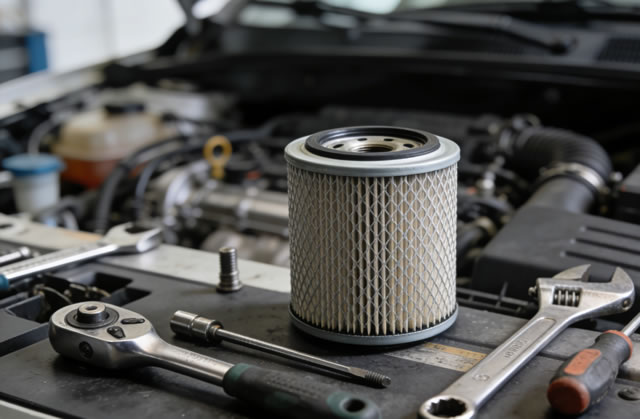
Caterpillar (CAT) oil filters are critical components designed to protect high-performance CAT engines from harmful contaminants, extend engine life, and ensure optimal operational efficiency. Proper maintenance, regular inspection, and correct replacement of CAT oil filters are non-negotiable for heavy-duty equipment, industrial engines, generators, and construction machinery. This comprehensive guide covers all aspects of CAT oil filter maintenance, service procedures, safety protocols, and best practices to prevent engine damage and reduce downtime.
1. Importance of CAT Oil Filter Maintenance
CAT oil filters remove dirt, metal particles, sludge, and carbon deposits from engine oil, preventing abrasive wear on critical engine parts such as pistons, bearings, crankshafts, and camshafts. Neglecting filter maintenance leads to:
- Reduced engine oil flow and pressure
- Premature engine wear and component failure
- Increased fuel consumption and operating costs
- Equipment downtime and expensive repairs
- Voided CAT engine warranties
Regular filter service aligns with CAT’s factory recommendations and ensures your equipment operates at peak performance for its full service life.
2. Pre-Maintenance Safety Precautions
- Turn off the engine and allow it to cool completely (hot oil and components cause burns)
- Engage parking brakes and secure equipment to prevent unintended movement
- Wear protective gear: heat-resistant gloves, safety goggles, and protective clothing
- Place a drain pan under the filter to collect spilled oil (environmental compliance)
- Relieve engine oil pressure before removing the filter housing
- Never use open flames near oil or filter components (fire risk)
- Follow local regulations for used oil and filter disposal
3. CAT Oil Filter Inspection Schedule & Criteria
CAT recommends consistent inspection intervals based on equipment usage and operating conditions:
Standard Operating Conditions
- Visual inspection: Every 50 operating hours
- Filter replacement: Every 250–500 operating hours
Severe Operating Conditions (Dust, Debris, Heavy Loads)
- Visual inspection: Every 25 operating hours
- Filter replacement: Every 150–250 operating hours
Key Inspection Points
- Oil leaks around the filter base, housing, or sealing gasket
- Physical damage: dents, cracks, corrosion, or loose mounting
- Clogging indicators (if equipped): red warning flag/light activation
- Oil pressure drops on the engine dashboard
- Contamination buildup on filter exterior or housing
4. Step-by-Step CAT Oil Filter Replacement Procedure
This procedure applies to all standard CAT spin-on oil filters and cartridge-style oil filters used in CAT engines.
Tools & Parts Required
- Genuine CAT replacement oil filter (match OEM part number)
- Engine oil (CAT recommended viscosity)
- Oil drain pan
- Filter wrench (size-matched to CAT filter)
- Clean rags
- Torque wrench
Spin-On Filter Replacement
- Place the drain pan beneath the oil filter to catch residual oil
- Use a filter wrench to loosen the old filter counterclockwise
- Unscrew the filter by hand and lower it carefully to drain oil
- Clean the filter mounting surface on the engine block thoroughly (remove old gasket debris)
- Apply a thin, even layer of clean engine oil to the new filter’s rubber gasket
- Screw the new filter on by hand until the gasket contacts the mounting surface
- Tighten the filter 3/4 to 1 full turn with a wrench (DO NOT over-tighten)
- Refill engine oil to the proper level and check for leaks
Cartridge-Style Filter Replacement
- Remove the filter housing bolt/lid and access the cartridge element
- Take out the used cartridge and discard it properly
- Clean the housing interior and replace o-rings/gaskets (included with CAT filter kits)
- Install the new CAT cartridge into the housing
- Reattach the housing lid and torque to CAT factory specifications
- Prime the oil system and verify oil pressure
5. Post-Installation Checks & Verification
After replacing the CAT oil filter, perform these checks to ensure proper installation:
- Start the engine and run it at idle for 3–5 minutes
- Inspect the filter base and gasket for oil leaks
- Verify normal oil pressure readings on the gauge/dashboard
- Check engine oil level and top off if necessary
- Listen for unusual engine noises (indicates oil flow issues)
- Reset maintenance timers/alert systems on your CAT equipment
6. Common CAT Oil Filter Issues & Troubleshooting
Issue 1: Oil Leaks Around Filter
Causes: Damaged gasket, cross-threading, over-tightening, dirty mounting surface. Solution: Replace gasket, clean mounting surface, re-install filter correctly.
Issue 2: Clogged Filter Warning Light
Causes: Excessive contamination, extended service interval, poor-quality oil. Solution: Replace filter immediately and change engine oil.
Issue 3: Low Oil Pressure
Causes: Restricted filter, incorrect filter model, oil starvation. Solution: Install correct CAT filter, check oil level, inspect oil pump.
Issue 4: Filter Premature Failure
Causes: Severe operating conditions, contaminated oil, defective filter. Solution: Shorten service intervals, flush engine, use genuine CAT parts.
7. Long-Term Maintenance Best Practices
- Always pair oil filter replacement with full engine oil changes
- Document all service dates, hours, and part numbers for warranty records
- Store CAT filters in a clean, dry, cool environment (avoid moisture/dust)
- Never re-use old oil filters or gaskets
- Follow CAT’s official operation and maintenance manual for your specific engine model
- Train operators to report abnormal oil pressure, leaks, or warning lights immediately
- Dispose of used filters and oil at certified recycling centers (environmental compliance)
8. Final Recommendations
CAT oil filters are engineered to deliver unmatched protection for CAT’s heavy-duty engines. Consistent, professional maintenance is the most cost-effective way to protect your investment, maximize equipment uptime, and avoid catastrophic engine failure. By following this guide, adhering to factory service intervals, and using only genuine CAT replacement parts, you ensure your engine remains reliable, efficient, and durable for years to come.
For model-specific instructions, always refer to your CAT engine’s official service manual or contact an authorized CAT dealer for professional support.

