







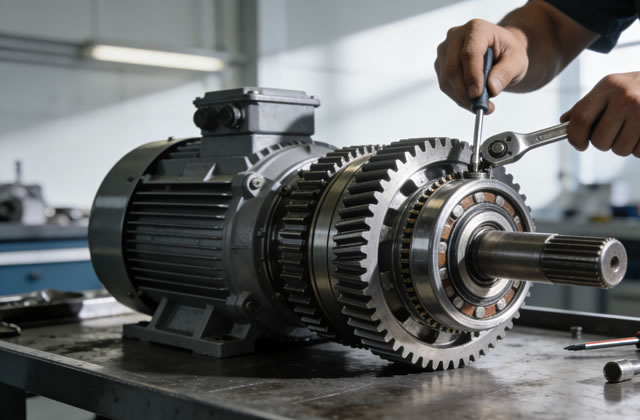
Caterpillar (CAT) rotors are core components of heavy-duty rotating machinery, including compressors, generators, pumps, and industrial engines. These high-precision parts operate under extreme pressure, temperature, and load conditions—making regular maintenance and professional overhaul critical to ensuring equipment reliability, extending service life, reducing downtime, and avoiding costly catastrophic failures.
This comprehensive guide covers daily inspections, routine maintenance, troubleshooting, full overhaul procedures, and storage best practices for CAT rotors, designed for field technicians, maintenance teams, and equipment managers.
1. Core Overview of CAT Rotor Components
Before performing maintenance, it is essential to understand the key components of a CAT rotor assembly to identify wear points and failure risks accurately:
- Rotor Shaft: The central load-bearing structure that transmits torque and supports all rotating parts
- Blades/Vanes: Precision-machined airfoil components for compression, ventilation, or power generation
- Bearing Journals: Smooth, hardened surfaces for bearing mounting and rotational stability
- Balance Weights: Factory-installed weights to maintain dynamic balance at high RPM
- Sealing Surfaces: Precision areas that prevent fluid, gas, or oil leakage
- Coupling Hubs: Connection points for linking the rotor to drive systems or driven equipment
2. Daily & Pre-Operation Inspection Checklist
Daily inspections are the first line of defense against unexpected rotor failures. Follow this checklist for all CAT rotor-equipped machinery:
- Check for abnormal noise, vibration, or grinding sounds during startup and operation
- Monitor operating temperature (bearing housing, rotor casing) against CAT factory specifications
- Inspect for oil leaks, coolant leaks, gas leaks, or contamination around rotor seals
- Verify proper lubrication pressure and flow to rotor bearings
- Check for dust, debris, or foreign material buildup on rotor blades and surfaces
- Confirm alignment indicators and vibration monitoring systems are within normal ranges
- Review real-time sensor data for RPM, load, and temperature fluctuations
3. Scheduled Routine Maintenance (Short-Term & Long-Term Cycles)
3.1 Weekly Maintenance
- Clean rotor exterior and casing to remove dust, dirt, and industrial contaminants
- Re-torque rotor mounting bolts and fasteners to CAT factory torque values
- Inspect seal condition and replace worn gaskets or O-rings
- Lubricate external rotor accessories and check lubricant quality
3.2 Monthly Maintenance
- Perform vibration analysis to detect unbalance, misalignment, or bearing wear
- Inspect rotor blade surfaces for erosion, corrosion, cracks, or bending
- Check rotor shaft runout using dial indicators (must meet CAT tolerance standards)
- Test dynamic balance and adjust if deviations exceed factory limits
3.3 Annual Comprehensive Maintenance
- Full disassembly of rotor assembly (follow CAT service manual procedures)
- Ultrasonic testing (UT) and magnetic particle testing (MPT) for internal cracks
- Complete cleaning of rotor passages, blades, and cooling channels
- Bearing journal polishing and dimension verification
- Replacement of all wear parts: seals, bearings, gaskets, and O-rings
- Re-balancing and re-alignment by certified CAT technicians
- Post-maintenance performance testing and calibration
4. Full CAT Rotor Overhaul Procedure (Professional Standard)
A full rotor overhaul is required every 3–5 years (or 8,000–12,000 operating hours) for heavy-use CAT equipment. Follow this step-by-step process:
Step 1: Preparation & Safety
- Lockout/Tagout (LOTO) all power sources, hydraulic systems, and pressure lines
- Drain all lubricants, coolants, and compressed gases from the unit
- Gather OEM tools, precision measuring instruments, and replacement parts
- Review the latest CAT rotor service manual for model-specific specifications
Step 2: Rotor Removal & Disassembly
- Remove casing, covers, and external components without damaging rotor surfaces
- Extract the rotor assembly using proper lifting equipment to avoid shaft bending
- Disassemble blades, bearings, seals, and hubs in labeled order for reassembly
- Record all part conditions, wear patterns, and clearances during disassembly
Step 3: Deep Cleaning & Non-Destructive Testing (NDT)
- Use ultrasonic cleaning or approved solvent to remove carbon deposits, sludge, and debris
- Perform NDT to detect micro-cracks, fatigue, and material degradation
- Measure shaft diameter, runout, blade thickness, and journal dimensions
- Compare all measurements to CAT original factory specifications
Step 4: Repair & Restoration
- Shaft polishing, grinding, or plating for worn journals (CAT-approved materials only)
- Blade repair, replacement, or re-coating for erosion/corrosion damage
- Welding and machining for minor structural damage (performed by certified welders)
- Replacement of all damaged, worn, or out-of-tolerance components
Step 5: Reassembly & Dynamic Balancing
- Reassemble components in reverse order using CAT-approved torque sequences
- Apply high-temperature lubricants and sealants to OEM standards
- Perform precision dynamic balancing to eliminate vibration
- Verify shaft alignment, seal clearances, and rotational freedom
Step 6: Reinstallation & Performance Testing
- Reinstall rotor assembly into equipment with proper lifting and alignment
- Conduct low-speed test, idle test, and full-load operational test
- Monitor temperature, vibration, noise, and pressure for 2–4 hours
- Final calibration and certification of overhauled rotor
5. Common CAT Rotor Failures & Troubleshooting
5.1 Excessive Vibration
Causes: Unbalance, bent shaft, misalignment, damaged blades, worn bearings
Solutions: Re-balance, straighten or replace shaft, realign assembly, replace blades/bearings
5.2 High Operating Temperature
Causes: Insufficient lubrication, blocked cooling passages, seal failure, bearing damage
Solutions: Refill lubricant, clean cooling channels, replace seals, install new bearings
5.3 Blade Erosion & Corrosion
Causes: Contaminated gas/fluid, high moisture, abrasive particles, chemical exposure
Solutions: Install filtration systems, apply protective coatings, replace damaged blades
5.4 Oil Leakage
Causes: Worn shaft seals, damaged gaskets, over-pressurization, cracked housing
Solutions: Replace seals/gaskets, adjust pressure, repair or replace casing components
5.5 Shaft Wear & Scoring
Causes: Contaminated lubricant, misalignment, bearing failure, improper installation
Solutions: Polish/plate shaft, replace bearings, correct alignment, follow OEM installation
6. Long-Term Storage & Preservation of CAT Rotors
For unused or standby CAT rotors, proper storage prevents corrosion, warping, and component degradation:
- Clean and dry the rotor completely before storage
- Apply CAT-approved anti-corrosion coating to all metal surfaces
- Seal blades, journals, and sealing surfaces with protective wrapping
- Store in a climate-controlled, low-humidity, dust-free environment
- Support the rotor horizontally on shaft journals to avoid bending
- Inspect stored rotors every 3 months for corrosion or damage
- Rotate rotors 1/4 turn monthly to prevent bearing flat-spotting
7. Best Practices for Maximizing CAT Rotor Service Life
- Always use genuine CAT replacement parts and approved lubricants
- Train maintenance staff on OEM-approved procedures only
- Maintain detailed service records for warranty and performance tracking
- Avoid overloading, over-speeding, or operating outside design parameters
- Implement real-time condition monitoring (vibration, temperature, pressure)
- Schedule overhauls during planned downtime to avoid emergency failures
- Partner with authorized CAT service centers for major repairs and overhauls
Conclusion
CAT rotors are high-investment, mission-critical components that demand consistent, professional maintenance and timely overhaul. By following daily inspections, scheduled routine care, professional overhaul procedures, and long-term preservation practices, you can maximize rotor lifespan, ensure stable equipment performance, reduce operational costs, and eliminate unplanned downtime.
Always refer to your specific CAT rotor model’s official service manual for model-specific tolerances, torque values, and maintenance intervals. When in doubt, consult an authorized Caterpillar service provider to ensure compliance with OEM standards.

