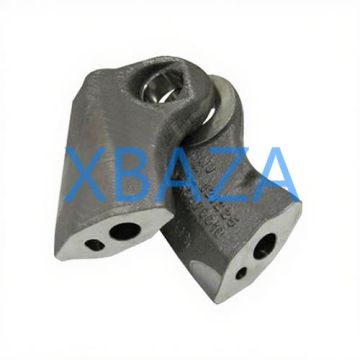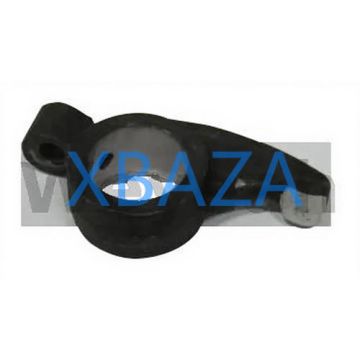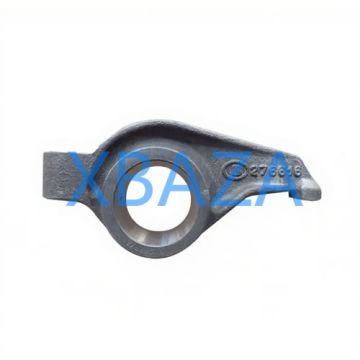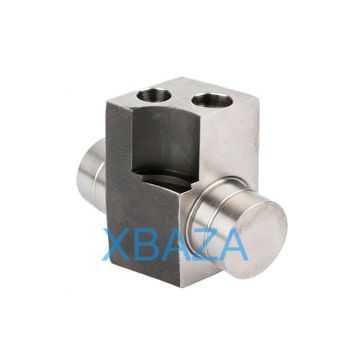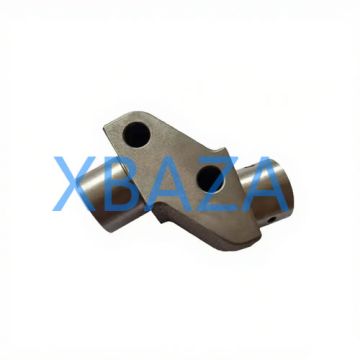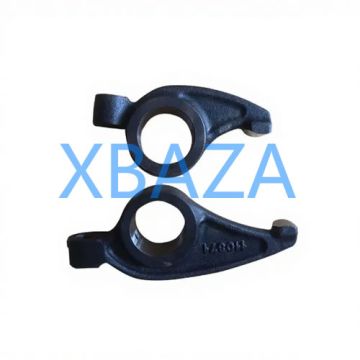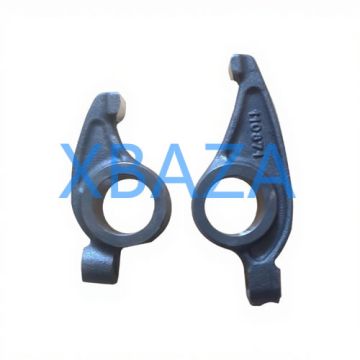

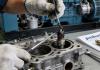
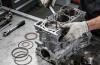

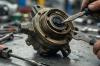



The rocker arm is a critical mechanical component in Jenbacher gas engines, responsible for translating the rotational motion of the camshaft into the linear motion of the intake and exhaust valves. Proper maintenance of the rocker arm is essential to ensure optimal engine performance, reduce downtime, and extend the service life of the entire engine system. This guide outlines the complete maintenance procedures, inspection criteria, and best practices for Jenbacher rocker arms.
1. Key Functions and Failure Risks of Jenbacher Rocker Arm
Jenbacher rocker arms are designed to withstand high mechanical stress, temperature fluctuations, and constant friction during engine operation. Their primary functions include:
- Actuating intake/exhaust valves with precise timing and lift
- Absorbing and distributing mechanical loads to prevent valve damage
- Maintaining proper valve clearance to ensure efficient combustion
Neglecting rocker arm maintenance can lead to the following issues:
- Excessive wear on rocker arm pads and valve stems
- Valve timing inaccuracies leading to reduced engine power and efficiency
- Increased fuel consumption and emissions
- Catastrophic failure (e.g., rocker arm breakage) resulting in major engine damage
2. Routine Maintenance Schedule
| Maintenance Task | Interval (Operating Hours) | Applicable Jenbacher Engine Models |
|---|---|---|
| Visual inspection and valve clearance check | 500 | J312, J316, J412, J420, J612, J620 |
| Lubrication system check and oil replacement | 1000 | All models |
| Complete rocker arm disassembly and inspection | 3000 | All models |
| Rocker arm bushing and pivot pin replacement | 6000 (or as needed) | J412, J420, J612, J620 |
| Full rocker arm assembly replacement | 12000 (or if wear exceeds limits) | All models |
3. Step-by-Step Maintenance Procedures
3.1 Pre-Maintenance Preparation
- Gather required tools: torque wrench, feeler gauges, socket set, cleaning brushes, lint-free cloths, and Jenbacher-specified lubricants.
- Prepare a clean work area to prevent contamination of engine components.
- Review the engine’s service manual for model-specific torque values and clearance specifications.
- Disconnect the battery and remove the valve cover to access the rocker arm assembly.
3.2 Visual Inspection and Wear Assessment
Inspect the rocker arm for the following signs of wear or damage:
- Scratches, pitting, or galling on the rocker arm pad (contact surface with valve stem)
- Looseness or play in the pivot pin/bushing assembly
- Cracks or deformation in the rocker arm body
- Corrosion or rust on metal surfaces (indicates lubrication issues)
Use a micrometer to measure wear on critical surfaces:
- Maximum allowable wear on rocker arm pad: 0.2mm (replace if exceeded)
- Maximum allowable play in pivot pin: 0.15mm (replace bushing/pin if exceeded)
- Valve clearance tolerance: ±0.05mm (adjust if outside range)
3.3 Cleaning and Lubrication
- Clean all rocker arm components with a non-flammable, solvent-based cleaner to remove oil sludge, carbon deposits, and debris.
- Dry components thoroughly with compressed air (ensure no moisture remains).
- Apply a thin layer of Jenbacher-specified high-temperature lubricant to the pivot pin, bushing, and rocker arm pad.
- Verify that the oil supply channels to the rocker arm are clear and unobstructed (clean with a small brush if clogged).
3.4 Reassembly and Adjustment
- Reinstall the rocker arm assembly, ensuring proper alignment with the camshaft and valve stems.
- Torque the rocker arm mounting bolts to the manufacturer’s specification (typically 25-35 N·m for most Jenbacher models).
- Adjust valve clearance using feeler gauges:
- Intake valve clearance: 0.30-0.35mm (cold engine)
- Exhaust valve clearance: 0.40-0.45mm (cold engine)
- Reinstall the valve cover with a new gasket to ensure a tight seal and prevent oil leaks.
3.5 Post-Maintenance Testing
- Perform a cold start of the engine and monitor for unusual noises (e.g., ticking, knocking) from the valve train.
- Check for oil leaks around the valve cover and rocker arm assembly.
- Run the engine at idle for 10-15 minutes, then perform a hot valve clearance check (adjust if necessary).
- Record maintenance details (date, operating hours, tasks performed) in the engine service log for traceability.
4. Best Practices for Extended Rocker Arm Life
- Use only Jenbacher OEM (Original Equipment Manufacturer) replacement parts to ensure compatibility and performance.
- Maintain clean engine oil by following the recommended oil change intervals (use Jenbacher-approved oil grades).
- Monitor engine temperature to prevent overheating, which accelerates rocker arm wear.
- Inspect the camshaft for wear regularly, as camshaft damage can transfer to the rocker arm.
- Train maintenance personnel on proper rocker arm handling and adjustment techniques to avoid human error.
5. Troubleshooting Common Rocker Arm Issues
| Symptom | Root Cause | Recommended Action |
|---|---|---|
| Excessive valve train noise | Incorrect valve clearance, worn pivot pin, or insufficient lubrication | Adjust clearance, replace pivot pin, check oil supply |
| Uneven valve wear | Rocker arm misalignment, bent rocker arm | Realign/replace rocker arm, check mounting torque |
| Oil leaks from valve cover | Damaged gasket, loose valve cover bolts | Replace gasket, retorque bolts to specification |
| Rocker arm breakage | Overloading, fatigue, or use of non-OEM parts | Replace with OEM rocker arm, investigate root cause (e.g., excessive load) |
6. Conclusion
Effective maintenance of Jenbacher rocker arms is a cornerstone of reliable engine operation. By following the scheduled maintenance intervals, adhering to inspection criteria, and using genuine replacement parts, operators can minimize unplanned downtime, reduce repair costs, and maximize the overall efficiency of Jenbacher gas engines. Regular training of maintenance staff and thorough documentation of all service activities further enhance the longevity and performance of rocker arm assemblies. For complex issues or beyond routine maintenance, always consult a certified Jenbacher service technician to ensure compliance with manufacturer standards.