








Table of Contents
1. Overview of CAT Ignition Plugs
CAT (Caterpillar) ignition plugs are engineered to deliver reliable performance in heavy-duty applications, including construction equipment, agricultural machinery, and industrial engines. Designed to withstand extreme temperatures, high compression ratios, and harsh operating environments, these plugs play a critical role in ensuring efficient combustion, optimal engine power, and reduced fuel consumption.
Unlike standard automotive spark plugs, CAT ignition plugs are built with durable materials such as iridium or platinum electrodes, corrosion-resistant housings, and heat-resistant insulators to meet the rigorous demands of Caterpillar engines. Proper maintenance of these components is essential to prevent engine misfires, power loss, and costly downtime.
2. Routine Inspection Procedures
Regular inspection is the foundation of effective CAT ignition plug maintenance. Conduct inspections every 250 operating hours (or as specified in your engine’s service manual) to identify early signs of wear or damage. Follow these steps:
- Engine Preparation: Ensure the engine is completely cool (minimum 2 hours of downtime) to avoid burns and prevent thermal expansion-related damage to the plug or cylinder head.
- Remove Surface Debris: Use compressed air (low pressure, 20-30 PSI) to blow away dirt, dust, or oil from the spark plug well before removing the plug—this prevents contaminants from falling into the combustion chamber.
- Visual Inspection:
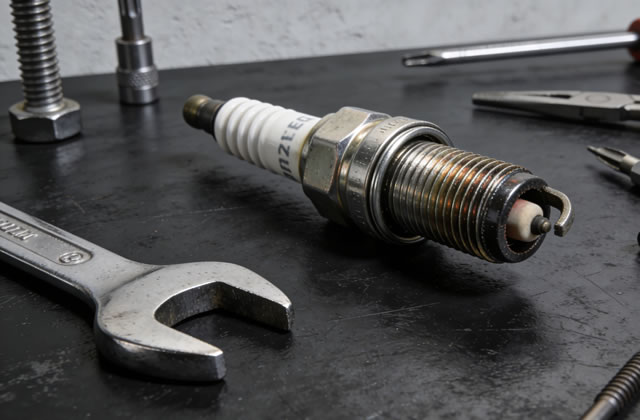
- Check for cracks, chips, or carbon deposits on the insulator (the white/ceramic part of the plug).
- Inspect the electrode for wear: excessive erosion, pitting, or gap widening indicates the plug needs replacement.
- Look for oil fouling (wet, oily deposits) or carbon fouling (black, sooty deposits)—both signal underlying engine issues (e.g., worn valve seals, rich fuel mixture).
- Verify the condition of the plug’s gasket/seal—damage here can cause compression leaks.
- Gap Measurement: Use a feeler gauge to check the electrode gap (refer to Section 5 for CAT-specific specs). A gap that is too wide or too narrow will disrupt spark quality.
3. Cleaning and Reconditioning
If the plug is in good condition (no cracks, minimal wear) and only has light carbon deposits, cleaning and reconditioning can extend its service life. Avoid cleaning plugs with severe wear or damage—replacement is safer.
Step-by-Step Cleaning Process
- Use a specialized spark plug cleaner (air-powered sandblaster) with fine aluminum oxide media to remove carbon deposits from the electrode and insulator. Do not use wire brushes, as they can scratch the insulator and damage the electrode.
- Rinse the plug with clean solvent (e.g., mineral spirits) to remove residual media and debris.
- Dry the plug completely with compressed air (ensure no moisture remains in the threads or crevices).
- Recheck the electrode gap and adjust it to meet CAT specifications (use a gap tool—do not bend the center electrode).
- Apply a thin coat of anti-seize compound to the plug threads (only on non-gasket plugs) to prevent seizing to the cylinder head (follow CAT guidelines—over-application can cause electrical shorting).
4. Proper Replacement Steps
Replace CAT ignition plugs when inspection reveals excessive wear, cracks, irreparable fouling, or if they have reached the end of their service life (typically 1,000-2,000 operating hours, depending on the engine model). Follow these steps for a secure replacement:
- Disconnect the negative battery terminal to prevent accidental ignition during the process.
- Remove the ignition coil/wire connector from the top of the spark plug—pull straight up (do not twist) to avoid damaging the connector.
- Use a deep socket (matching the plug’s hex size) with a ratchet and extension to loosen the plug counterclockwise. Avoid using excessive force—if the plug is seized, apply penetrating oil and wait 10-15 minutes before attempting removal.
- Remove the old plug and inspect the spark plug well for debris (clean if necessary).
- Prepare the new CAT OEM plug: verify the part number matches your engine model (aftermarket plugs may not meet CAT standards and can cause engine damage).
- Hand-thread the new plug into the cylinder head until snug—do not use tools to start threading, as this can cross-thread the cylinder head (a costly repair).
- Tighten the plug to the specified torque (see Section 5) using a torque wrench—over-tightening can crack the insulator or damage the cylinder head threads; under-tightening causes compression leaks.
- Reconnect the ignition coil/wire connector (ensure it clicks into place to confirm a secure fit).
- Reconnect the battery terminal and start the engine to test for smooth operation (no misfires, rough idle, or warning lights).
5. Torque Specifications & Best Practices
Correct torque is critical for CAT ignition plug installation—incorrect torque leads to leaks, damage, or premature failure. Below are standard torque specs for common CAT plug types (always confirm with your engine’s service manual first):
| CAT Ignition Plug Type | Thread Size | Torque Specification (ft-lbs) | Torque Specification (Nm) |
|---|---|---|---|
| Standard Gasket-Type | 14mm | 18-22 | 24-30 |
| Standard Gasket-Type | 18mm | 25-30 | 34-41 |
| Seated (No Gasket) | 14mm | 10-12 | 14-16 |
Best Practices for Torque Application:
- Use a calibrated torque wrench (click-type or digital) for accuracy—avoid "guessing" torque with a standard ratchet.
- For gaskets: Tighten to 1/4 turn past hand-snug if you do not have a torque wrench (only for gasket-type plugs).
- Never reuse old gaskets—new plugs come with new gaskets, which form a proper seal.
6. Troubleshooting Common Issues
Understanding the root cause of spark plug issues helps prevent recurrence. Below are common problems, their signs, and solutions:
- Carbon Fouling (Black, Sooty Deposits)
- Signs: Rough idle, misfires, reduced power.
- Causes: Rich fuel mixture, clogged air filter, faulty fuel injector, or incomplete combustion.
- Solution: Clean/replace the plug, fix the fuel/air imbalance (e.g., replace air filter, service injectors).
- Oil Fouling (Wet, Oily Deposits)
- Signs: Hard starting, white/blue exhaust smoke, misfires.
- Causes: Worn piston rings, valve seals, or excessive engine oil consumption.
- Solution: Replace the plug, inspect engine for oil leaks/consumption issues (repair as needed).
- Overheating (White/Blistered Insulator)
- Signs: Engine knocking, pre-ignition, plug electrode melting.
- Causes: Lean fuel mixture, over-advanced ignition timing, or incorrect plug heat range.
- Solution: Replace the plug with the correct heat range, check fuel delivery and ignition timing.
- Electrode Wear (Excessive Gap, Pitting)
- Signs: Hard starting, reduced fuel efficiency, misfires at high load.
- Causes: Normal wear over time, poor quality fuel, or incorrect gap.
- Solution: Replace the plug (wear cannot be reversed), use CAT OEM plugs only.
7. Recommended Maintenance Schedule
Adhering to a structured maintenance schedule maximizes the lifespan of CAT ignition plugs and engine performance. Below is a general schedule (adjust based on your engine model and operating conditions):
- Light-Duty Operation (Low load, clean fuel): Inspect every 300 hours, replace every 2,000 hours.
- Medium-Duty Operation (Intermittent heavy load): Inspect every 250 hours, replace every 1,500 hours.
- Heavy-Duty Operation (Continuous high load, harsh environment): Inspect every 200 hours, replace every 1,000 hours.
- Extreme Conditions (Dusty, high-temperature, or high-altitude environments): Inspect every 150 hours, replace every 800 hours.
Always refer to your CAT engine’s official service manual for model-specific intervals—operating conditions (e.g., fuel quality, ambient temperature) may require more frequent maintenance.
8. Safety Precautions
- Wear personal protective equipment (PPE): safety glasses, heat-resistant gloves, and closed-toe shoes.
- Ensure the engine is off and cool before beginning any work—hot components can cause severe burns.
- Disconnect the battery to prevent accidental engine start-up during plug removal/replacement.
- Use only CAT OEM replacement parts—aftermarket plugs may not meet safety or performance standards.
- Do not work in confined spaces with flammable materials (fuel, oil) nearby—keep a fire extinguisher on hand.
- Never over-tighten plugs—this can crack the cylinder head, leading to costly repairs or safety risks.
Final Notes
CAT ignition plugs are a critical component of heavy-duty engine performance, and proper maintenance is key to avoiding unplanned downtime and costly repairs. By following routine inspection, cleaning, and replacement procedures—along with adhering to torque specs and safety guidelines—you can ensure your CAT engine operates at peak efficiency for years to come. Always consult your CAT service manual or a certified CAT technician for model-specific advice or complex issues.

