








Maximize Performance, Extend Lifespan, and Ensure Reliability of Caterpillar Spark Plugs
1. Introduction to CAT Spark Plugs
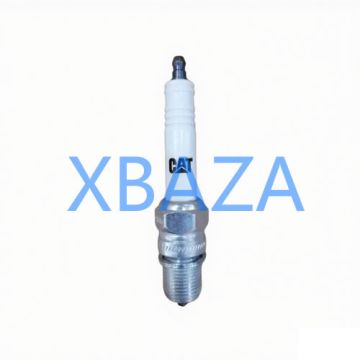
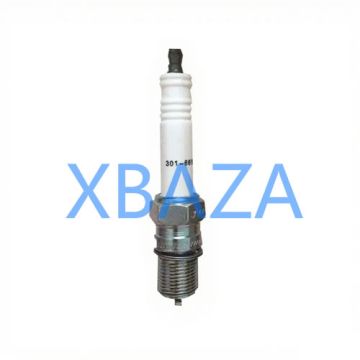
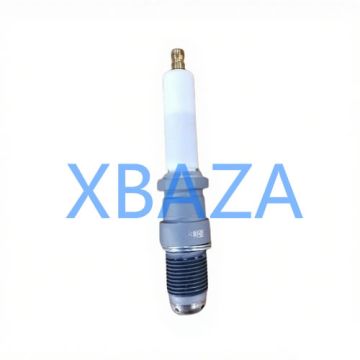
CAT (Caterpillar) spark plugs are engineered to meet the rigorous demands of heavy-duty engines used in construction, agriculture, mining, and industrial applications. Unlike standard automotive spark plugs, CAT spark plugs are designed to withstand extreme temperatures, high compression ratios, and prolonged operating hours. Proper maintenance and timely repair of these components are critical to maintaining engine efficiency, reducing fuel consumption, and preventing costly engine damage.
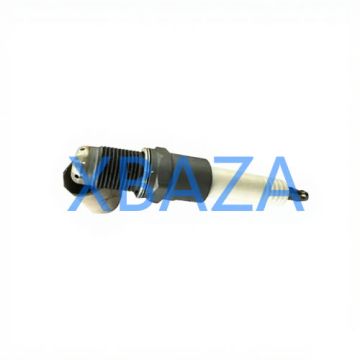
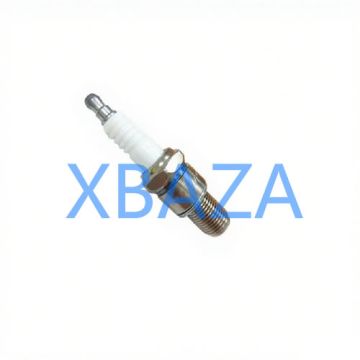
CAT offers a range of spark plug models tailored to different engine types (gasoline, natural gas, and dual-fuel engines), each with specific design features such as iridium or platinum electrodes, corrosion-resistant coatings, and heat-resistant insulators. Understanding the unique characteristics of your CAT spark plug model is the first step in effective maintenance.
2. Key Maintenance Intervals
Following the manufacturer's recommended maintenance schedule is essential to avoid premature spark plug failure. Below is a general guideline for CAT spark plug maintenance intervals (always refer to your engine's service manual for model-specific requirements):
| Maintenance Task | Interval (Operating Hours) | Applicable Engine Types |
|---|---|---|
| Visual Inspection | 250 - 500 hours | All CAT Gas Engines |
| Gap Adjustment | 500 - 1000 hours | Gasoline/Natural Gas Engines |
| Cleaning & Reconditioning | 1000 - 1500 hours | Heavy-Duty Industrial Engines |
| Full Replacement | 2000 - 3000 hours (or as per wear) | All CAT Gas Engines |
3. Step-by-Step Maintenance Procedures
3.1 Pre-Maintenance Preparation
- Ensure the engine is completely cool (allow 2-3 hours of cooling time) to avoid burns and prevent thermal expansion-related damage to spark plug threads.
- Gather the necessary tools: spark plug socket (CAT-specified size), torque wrench, gap gauge (feeler gauge), wire brush, compressed air, anti-seize compound (CAT-approved), and a clean cloth.
- Disconnect the battery to prevent accidental engine startup during maintenance.
- Clean the area around the spark plug well with compressed air to remove dirt, debris, or oil that could fall into the cylinder when the plug is removed.
3.2 Spark Plug Removal
- Carefully disconnect the ignition coil or spark plug wire from the top of the spark plug (avoid pulling the wire directly to prevent damage to the insulation).
- Insert the spark plug socket over the plug and turn it counterclockwise to loosen. Use a ratchet with a long extension if needed for deep-set plugs.
- Remove the spark plug from the cylinder head and place it on a clean, dry surface (label each plug if removing multiple to track cylinder-specific issues).
3.3 Inspection & Condition Assessment
Examine the spark plug for the following signs of wear or damage:
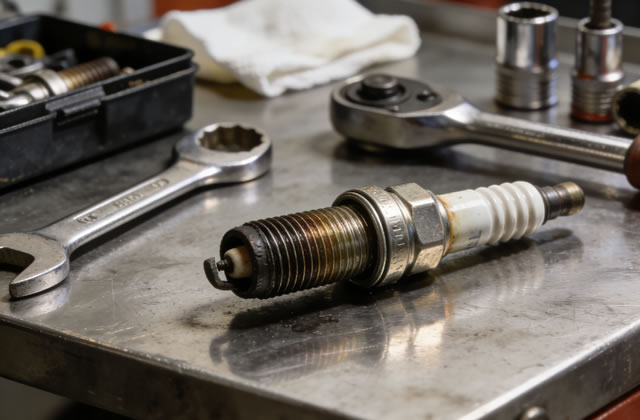
- Normal Condition: Light tan/gray electrode with minimal wear, clean insulator, no oil or carbon deposits.
- Fouling (Black Soot): Indicates rich fuel mixture, clogged air filter, or incorrect spark plug heat range.
- Oil Deposits: Sign of worn piston rings, valve seals, or excessive oil consumption.
- White/Blistered Insulator: Overheating caused by lean fuel mixture, advanced ignition timing, or incorrect plug heat range.
- Electrode Wear: Rounded or eroded electrodes (replace plug immediately if wear exceeds 0.5mm).
- Cracks/Damage: Any cracks in the insulator or housing require immediate replacement.
3.4 Cleaning & Gap Adjustment
- Use a wire brush to remove light carbon deposits (avoid harsh scraping to prevent insulator damage).
- For heavy deposits, use a CAT-approved spark plug cleaner (do not use abrasive chemicals that damage electrodes).
- Check the electrode gap using a feeler gauge: refer to your engine manual for the correct gap (typically 0.6-1.1mm for CAT plugs).
- Adjust the gap by gently bending the ground electrode (never the center electrode) to meet the specified measurement.
- Wipe the plug with a clean, lint-free cloth to remove any remaining debris.
3.5 Reinstallation
- Apply a thin layer of CAT-approved anti-seize compound to the spark plug threads (avoid getting compound on the electrodes or insulator).
- Hand-thread the spark plug into the cylinder head to avoid cross-threading (do not use tools for initial threading).
- Use a torque wrench to tighten the plug to CAT's specified torque (typically 18-25 Nm for most CAT engines; refer to manual for exact values).
- Reconnect the ignition coil/wire firmly to the top of the plug (ensure a tight seal to prevent moisture ingress).
4. Common Repair Scenarios & Solutions
4.1 Misfiring Engines
Misfiring is often caused by faulty spark plugs, loose connections, or incorrect gap settings. Solutions:
- Inspect all plugs for wear, fouling, or damage (replace any defective plugs).
- Verify gap settings and re-adjust if necessary.
- Check ignition coil/wire connections for corrosion or damage (replace wires/coils if needed).
4.2 Hard Starting
Hard starting can result from worn electrodes, carbon buildup, or cold weather-related issues. Solutions:
- Clean or replace spark plugs with excessive deposits.
- Ensure proper gap alignment (cold engines may require slightly tighter gaps).
- Use CAT winter-grade spark plugs for low-temperature operation.
4.3 Reduced Engine Performance/Fuel Efficiency
Degraded spark plug performance directly impacts engine power and fuel consumption. Solutions:
- Replace worn spark plugs (even if they pass visual inspection).
- Check and correct air-fuel mixture (lean/rich mixtures strain spark plugs).
- Perform a full ignition system check (ignition timing, coil output).
5. Best Practices for Long-Term Reliability
- Always use Genuine CAT Spark Plugs – aftermarket alternatives may not meet CAT's engineering standards and can void engine warranties.
- Store spare spark plugs in a dry, sealed container (moisture causes corrosion of electrodes).
- Document all maintenance activities (date, hours, tasks performed) to track plug performance over time.
- Train technicians on CAT-specific procedures (avoid generic automotive spark plug maintenance practices).
- Replace spark plugs in sets (not individually) to ensure uniform performance across all cylinders.