




1. Introduction to CAT Piston Rings
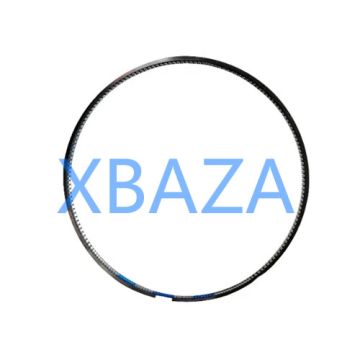
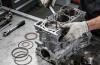
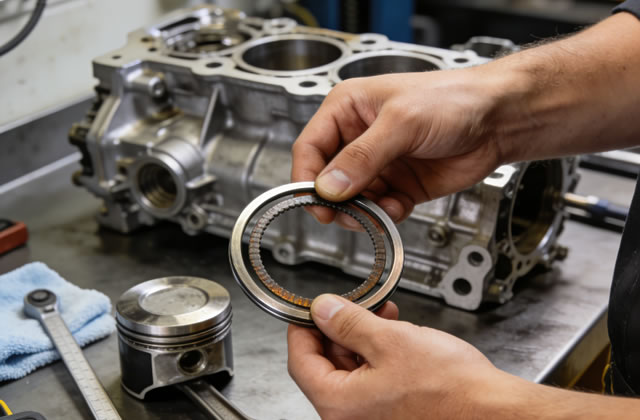
Caterpillar (CAT) piston rings are critical components in diesel and gasoline engines, designed to seal the combustion chamber, control oil consumption, and transfer heat from the piston to the cylinder wall. CAT piston rings are engineered for heavy-duty applications (e.g., construction, mining, agriculture) and require strict maintenance to ensure optimal engine performance and longevity.
Key types of CAT piston rings include:
- Compression rings (primary/secondary): Seal combustion gases and prevent pressure loss
- Oil control rings: Scrape excess oil from the cylinder wall and return it to the crankcase
- Oil scraper rings: Enhance oil management in high-load engines
2. Critical Maintenance Intervals
CAT recommends scheduled maintenance based on engine hours and operating conditions. Below is the standard maintenance schedule for CAT piston rings:
| Engine Type | Inspection Interval (Hours) | Replacement Interval (Hours) | Operating Condition Note |
|---|---|---|---|
| CAT C-Series (C4.4, C7.1) | 2500 | 10,000–12,000 | Normal load (construction equipment) |
| CAT 3500 Series | 5000 | 15,000–18,000 | Heavy load (mining trucks, generators) |
| CAT Industrial Engines | 1500 | 8,000–10,000 | Continuous operation (power generation) |
3. Step-by-Step Inspection Procedures
Proper inspection is essential to identify early signs of piston ring damage. Follow these steps for accurate assessment:
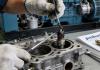
- Engine Preparation: Shut down the engine, disconnect the battery, and allow it to cool to room temperature. Remove the cylinder head and piston assembly per CAT service manual guidelines.
- Visual Inspection:
- Check for cracks, scuffing, or scoring on the ring surface
- Inspect for carbon buildup (a sign of poor combustion or oil leakage)
- Verify ring end gap (clearance) with a feeler gauge
- End Gap Measurement:
- Insert the piston ring into the cylinder bore (use a piston to seat it evenly)
- Measure the gap between the ring ends with a feeler gauge
- Compare to CAT specifications (typical gap: 0.25–0.50 mm for compression rings, 0.15–0.35 mm for oil rings)
- Radial Pressure Check: Use a ring tension tester to ensure the ring maintains proper contact with the cylinder wall (CAT spec: 12–18 N for 100mm bore).
- Groove Inspection: Check piston ring grooves for wear, nicks, or carbon buildup (max groove wear: 0.05mm per CAT standards).
4. Repair and Replacement Best Practices
When piston rings show excessive wear, damage, or failed gap/pressure tests, follow these replacement guidelines:
4.1 Pre-Replacement Preparation
- Use only genuine CAT piston rings (OEM part numbers match engine model, e.g., 197-9388 for CAT C7 engines)
- Clean piston grooves with a CAT-approved groove cleaner (avoid sharp tools to prevent groove damage)
- Degrease and inspect cylinder bores for taper, out-of-round, or scoring (hone bores if wear exceeds 0.02mm)
4.2 Installation Steps
- Apply a thin layer of CAT engine oil to the piston rings and grooves (use CAT DEO-ULS oil for optimal lubrication)
- Install oil control rings first: fit the expander, then the upper/lower rails (ensure rails are not twisted)
- Install compression rings: use a CAT piston ring installer tool to avoid bending or breaking rings
- Align ring end gaps at 120° intervals (never align gaps over piston pin holes) to prevent gas leakage
- Verify all rings seat fully in grooves without binding or sticking
5. Common Failure Modes and Troubleshooting
Understanding root causes of piston ring failure helps prevent recurrence. Below are common issues and solutions:
| Failure Mode | Symptoms | Root Cause | Corrective Action |
|---|---|---|---|
| Ring Scuffing | Scratches on ring surface, loss of compression | Insufficient lubrication, overheating | Replace rings, check oil pressure, repair cooling system |
| Carbon Fouling | Black carbon buildup on rings/grooves | Poor fuel quality, incomplete combustion | Clean rings/grooves, use CAT-approved fuel, adjust injection timing |
| Ring Breakage | Broken ring segments, loud engine knocking | Improper installation, excessive detonation | Replace with OEM rings, follow torque specs, check fuel octane rating |
| Excessive Oil Consumption | Blue smoke from exhaust, low oil levels | Worn oil control rings, cylinder bore damage | Replace oil rings, hone cylinder bores, check valve stem seals |
6. Post-Repair Testing and Validation
After replacing or repairing piston rings, validate engine performance with these steps:
- Perform a compression test: All cylinders should have compression within 5% of CAT specifications (e.g., 300–320 psi for CAT C7 engines).
- Conduct a leak-down test: Leakage should not exceed 10% (CAT standard).
- Run the engine at idle for 30 minutes, then at 50% load for 2 hours (break-in period for new rings).
- Monitor oil consumption, exhaust smoke, and engine noise for the first 500 hours post-repair.
7. Safety and Compliance Notes
- Always wear PPE (gloves, safety glasses, heat-resistant sleeves) when handling hot engine components.
- Follow CAT’s OSHA/ISO-compliant safety procedures for engine disassembly/assembly.
- Dispose of used piston rings and oil according to environmental regulations (do not incinerate or discard in landfills).
- Keep service records for compliance with CAT warranty requirements (OEM parts are required for warranty coverage).
8. Conclusion
CAT piston rings are vital to engine reliability, and proactive maintenance is the key to avoiding costly downtime. By adhering to CAT’s inspection intervals, using genuine OEM parts, and following proper installation procedures, you can extend the service life of CAT engines by 30–50% in heavy-duty applications. Always refer to the specific CAT service manual for your engine model for detailed torque specs and technical guidance.