

Best Practices for Optimal Performance, Longevity and Reliability
1. Introduction to Jenbacher Water Pumps
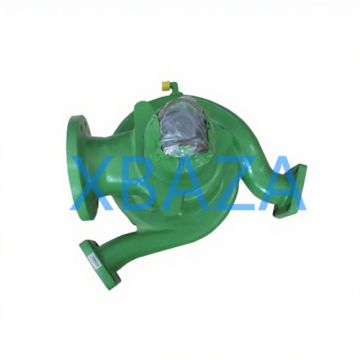
Jenbacher water pumps are critical components in gas engine systems, responsible for cooling the engine, circulating coolant, and maintaining optimal operating temperatures. Designed for heavy-duty industrial use, these pumps are engineered to withstand high pressure, continuous operation, and harsh environmental conditions. However, regular and proper maintenance is essential to prevent unplanned downtime, reduce repair costs, and ensure compliance with safety standards.
Neglecting routine maintenance can lead to issues such as coolant leaks, bearing failure, impeller wear, and ultimately, engine overheating – which may cause irreversible damage to the Jenbacher engine.
2. Pre-Maintenance Safety Protocols
- Ensure the engine and pump are completely shut down and have cooled to ambient temperature (minimum 30 minutes of cool-down time).
- Isolate the pump from the power supply and lock out/tag out (LOTO) the electrical system to prevent accidental startup.
- Drain all coolant from the system and relieve any residual pressure before opening the pump housing.
- Wear appropriate personal protective equipment (PPE): safety glasses, heat-resistant gloves, protective clothing, and steel-toe boots.
- Verify that all auxiliary systems (e.g., lubrication, fuel) are disconnected or isolated.
- Have a first-aid kit and fire extinguisher readily available at the maintenance site.
3. Routine Maintenance Tasks & Schedules
Jenbacher water pump maintenance is categorized into three key intervals: daily inspections, periodic servicing (monthly/quarterly), and annual overhauls. Below is a detailed breakdown of tasks for each interval:
3.1 Daily Inspections (5-10 Minutes)
- Check for visible coolant leaks around pump gaskets, seals, and connections.
- Monitor pump operating temperature (normal range: 70-90°C / 158-194°F).
- Listen for unusual noises (e.g., grinding, squealing) indicating bearing wear or impeller damage.
- Inspect coolant level and quality (no discoloration, foaming, or contamination).
- Check mounting bolts for tightness (no looseness or vibration).
3.2 Periodic Servicing (Monthly/Quarterly)
- Clean the pump exterior and surrounding area to remove dust, debris, and oil buildup (prevents overheating).
- Inspect drive belts (if applicable) for tension, wear, or cracks – replace if tension is outside 10-15mm deflection under 10kg force.
- Test coolant pH level (optimal range: 7.5-8.5) – adjust or replace coolant if outside this range.
- Lubricate pump bearings with Jenbacher-specified grease (follow OEM guidelines for quantity and type).
- Check pressure relief valves for proper operation – ensure they open/close at the specified pressure (refer to pump manual).
- Inspect hoses and connections for cracks, bulges, or corrosion – replace damaged components immediately.
3.3 Annual Overhaul (Full Maintenance)
- Disassemble the pump housing and inspect internal components (impeller, shaft, bearings, seals).
- Replace worn or damaged seals (mechanical seals are recommended over gasket seals for longevity).
- Check impeller for erosion, corrosion, or cavitation damage – replace if wear exceeds 10% of original thickness.
- Measure shaft runout (maximum allowable: 0.05mm) – replace shaft if out of tolerance.
- Replace bearings if there is excessive play, noise, or lubricant contamination.
- Clean the pump volute and internal passages to remove scale, sediment, or debris buildup.
- Reassemble the pump with new gaskets and torque all bolts to Jenbacher OEM specifications.
- Perform a pressure test (1.5x operating pressure) to verify no leaks post-assembly.
- Refill the cooling system with fresh, OEM-approved coolant and bleed air from the system.
| Maintenance Task | Frequency | Key OEM Specification |
|---|---|---|
| Coolant Replacement | Every 2 years or 10,000 operating hours | Use only Jenbacher-approved ethylene glycol-based coolant (50/50 mix with demineralized water) |
| Seal Replacement | Every 15,000 operating hours or annual overhaul | Use genuine Jenbacher mechanical seals (Part No.: [Insert OEM Part No.]) |
| Bearing Lubrication | Quarterly or 2,500 operating hours | Jenbacher Grade GL-5 lithium grease (NLGI 2) |
| Full Pump Overhaul | Every 30,000 operating hours or 3 years | Follow Jenbacher Service Manual (Document No.: [Insert Manual No.]) |
4. Common Issues & Troubleshooting
Even with regular maintenance, Jenbacher water pumps may experience issues. Below are the most common problems, their causes, and solutions:
- Coolant Leaks:
- Causes: Worn gaskets/seals, loose bolts, cracked pump housing, damaged impeller shaft.
- Solutions: Replace seals/gaskets, torque bolts to specs, repair/replace housing/shaft.
- Pump Noisy Operation:
- Causes: Bearing failure, impeller imbalance, cavitation, foreign debris in pump.
- Solutions: Replace bearings, balance/replace impeller, check coolant flow/pressure, clean internal components.
- Low Coolant Flow:
- Causes: Clogged strainer/filter, impeller wear, air in system, incorrect coolant viscosity.
- Solutions: Clean strainer/filter, replace impeller, bleed air, use OEM-specified coolant.
- Pump Overheating:
- Causes: Low coolant level, blocked cooling passages, faulty thermostat, worn bearings.
- Solutions: Refill coolant, clean passages, replace thermostat, lubricate/replace bearings.
5. Best Practices for Extended Pump Life
- Always use genuine Jenbacher spare parts – aftermarket parts may not meet OEM standards and can cause premature failure.
- Maintain a clean operating environment to prevent debris from entering the pump system.
- Monitor coolant quality regularly – avoid mixing different types of coolant (can cause chemical reactions and corrosion).
- Keep detailed maintenance records (dates, tasks performed, parts replaced, operating hours) for compliance and trend analysis.
- Train maintenance technicians on Jenbacher-specific procedures (attend OEM training if possible).
- Perform preventive maintenance before peak operating periods (e.g., summer months for high cooling demand).
- Inspect the pump’s alignment with the engine drive system – misalignment causes excessive vibration and bearing wear.
6. Post-Maintenance Verification
After completing any maintenance task (routine or overhaul), verify the pump’s performance to ensure it meets operational standards:
- Start the engine in idle mode and monitor pump operation for 15-20 minutes.
- Check for leaks, unusual noises, or abnormal vibration.
- Confirm coolant pressure and temperature are within OEM specified ranges.
- Inspect all connections and fasteners for tightness after initial operation.
- Document all test results in the maintenance log for future reference.