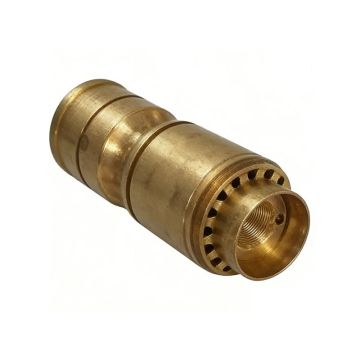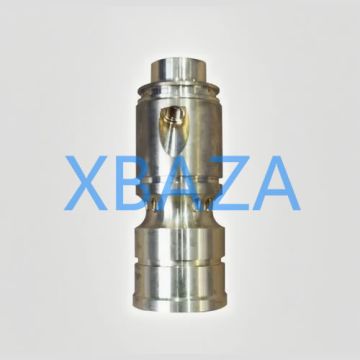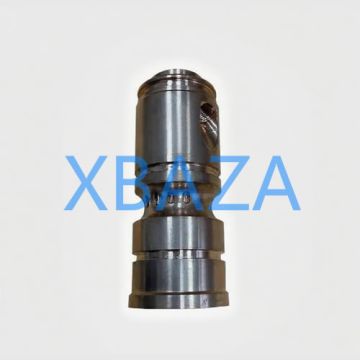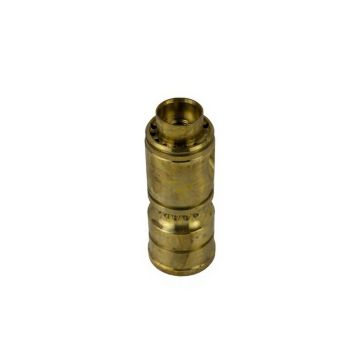









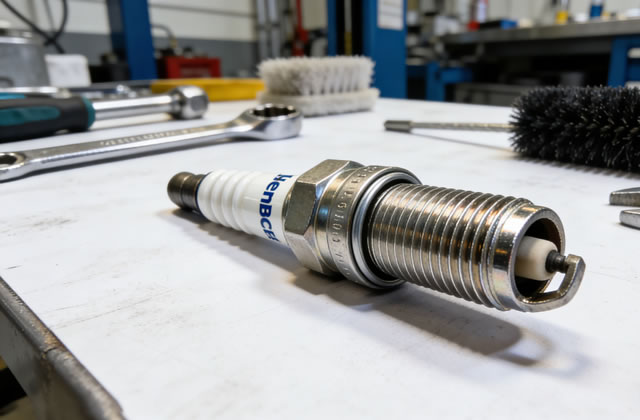
Jenbacher spark plug sockets are precision-engineered tools exclusively designed for the installation, removal, and maintenance of spark plugs in Jenbacher high-power gas engines. As critical components in engine servicing, their performance and service life directly impact the efficiency of maintenance work, the integrity of spark plugs and engine components, and even operational safety. Neglecting proper maintenance can lead to premature wear, slippage, breakage, or thread damage—all of which may result in costly engine repairs, unexpected downtime, and potential safety hazards. Below is a comprehensive, step-by-step maintenance guide to maximize the lifespan of your Jenbacher spark plug sockets and ensure reliable, safe operations.
1. Pre-Operation Safety Precautions
Safety is the foundation of all maintenance work, and proper preparation can avoid accidents and tool damage.
-
Cool Down the Engine First: Always wait for the Jenbacher engine to complete cool-down (typically 2–3 hours after shutdown) before performing any spark plug-related tasks. High temperatures can cause thermal expansion of metal components, leading to thread seizing, and may cause severe burns to operators.
-
Disconnect Power Supplies: Cut off the engine’s ignition power and disconnect all relevant electrical connections to eliminate the risk of accidental sparking or engine startup during maintenance.
-
Use Certified Sockets Only: Opt for original equipment manufacturer (OEM) Jenbacher sockets or rigorously tested compatible alternatives. Non-specialized sockets (e.g., universal sockets with incorrect hex sizes or wear) risk slipping, rounding edges, or breaking—damaging spark plug threads, cylinder heads, or even internal engine components.
-
Prepare the Workspace: Clear the engine area of debris, oil, and flammable materials. Use anti-slip mats to ensure stable footing, and keep fire extinguishers nearby for emergency response.
2. Post-Use Cleaning & Decontamination
Thorough cleaning after each use prevents debris accumulation and extends the socket’s service life.
-
Exterior Cleaning: Wipe the socket’s outer surface with a lint-free, dry cloth to remove oil, dust, carbon deposits, and metal shavings. For stubborn contaminants, use a mild detergent diluted in warm water (avoid abrasive cleaners or steel wool, which scratch the surface and compromise corrosion resistance).
-
Internal Component Cleaning: The internal hex drive and rubber clamping insert are prone to debris buildup. Use compressed air (set to 60–80 PSI) to blow out loose particles, or a soft non-metallic brush (e.g., nylon brush) to dislodge stubborn dirt. Ensure no debris remains inside the socket, as it can scratch the spark plug’s ceramic insulator or contaminate the cylinder bore during installation.
-
Drying & Corrosion Prevention: After cleaning, dry the socket completely with a clean cloth or air dryer. For long-term use in humid environments, apply a thin layer of food-grade anti-corrosion oil to the metal surface to prevent rust and oxidation.
3. Regular Inspection & Defect Assessment
Perform a pre-use inspection every time before using the socket to identify hidden defects and avoid accidents.
|
Inspection Item
|
Assessment Criteria
|
Action if Defects Are Found
|
|---|---|---|
|
Internal Hex Drive
|
No wear, rounding, cracks, or deformation; smooth engagement with spark plug hex
|
Replace the socket immediately to prevent slippage
|
|
Rubber Insert
|
Intact, no cracks, hardening, or loosening; secure grip on spark plugs
|
Replace the insert or socket if grip is compromised
|
|
Socket Body
|
No bending, corrosion, dents, or impact damage; straight alignment
|
Discard damaged sockets to avoid breakage risks
|
|
Threads & Mating Surfaces
|
Clean, undamaged threads; no burrs or misalignment
|
Repair minor damage with a thread file; replace if severe
|
Torque Fit Check: Test the socket’s torque retention by fitting it to a spare Jenbacher spark plug. If the socket wobbles, slips, or fails to hold the plug securely, it is due for replacement.
4. Proper Usage Protocols
Correct operation during use minimizes wear and tear on the socket and engine components.
-
Vertical Alignment: Always align the socket perpendicularly with the spark plug during installation/removal. Avoid side loading, which causes uneven stress on the socket’s internal components and may lead to bending or cracking.
-
Torque Wrench Compliance: Use a calibrated torque wrench set to the Jenbacher factory-specified torque value (refer to the engine’s technical manual for exact specs). Never use extension bars or impact wrenches (unless specifically approved for Jenbacher tools), as excessive force can damage the socket’s hex drive and spark plug threads.
-
Controlled Force Application: Apply steady, even torque instead of sudden, jerky movements. For stubborn spark plugs, first apply a small amount of anti-seize lubricant to the threads (per Jenbacher’s recommendations) to ease removal, rather than over-tightening the socket.
5. Storage & Long-Term Maintenance
Proper storage preserves the socket’s condition during idle periods, especially critical for frequent cross-border shipments or seasonal use.
-
Storage Environment: Keep sockets in a dry, dust-free tool chest or cabinet, away from moisture, direct sunlight, and corrosive chemicals (e.g., acids, solvents). Maintain a temperature range of 10–30°C to prevent rubber insert degradation.
-
Individual Storage: For multiple sockets, use individual foam inserts or tool rolls to prevent contact and friction. Label sockets with size/type for easy identification, especially if working with mixed Jenbacher engine models.
-
Long-Term Storage Prep: If storing for more than 3 months, clean the socket thoroughly, apply a light coat of anti-rust oil, and seal it in a moisture-proof bag. Inspect the socket and reapply oil every 6 months to prevent corrosion.
6. Replacement Criteria & Disposal
Replace sockets proactively to avoid maintenance failures and engine damage. Replace the socket immediately if any of the following occur:
-
Internal hex drive walls are worn, rounded, or cracked;
-
Rubber insert fails to hold the spark plug securely;
-
Visible bending, corrosion, or impact damage;
-
Slippage occurs during installation/removal despite proper alignment;
-
Torque retention fails after multiple inspections.
For damaged sockets, dispose of them responsibly—do not repair or reuse compromised tools. Recycle metal sockets through authorized metal waste recycling programs to minimize environmental impact.
Final Summary
Adhering to these comprehensive maintenance protocols ensures that Jenbacher spark plug sockets remain reliable, safe, and long-lasting. Regular cleaning, rigorous pre-use inspection, proper torque application, and secure storage not only extend the service life of the sockets but also protect the integrity of Jenbacher gas engines and reduce overall maintenance costs. Integrating these practices into your daily workflow will streamline engine servicing, minimize downtime, and safeguard operational efficiency.