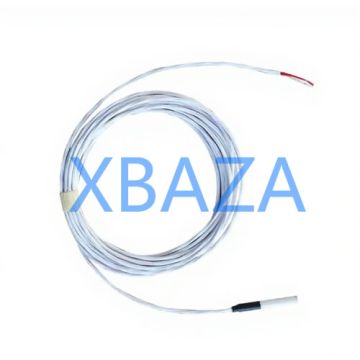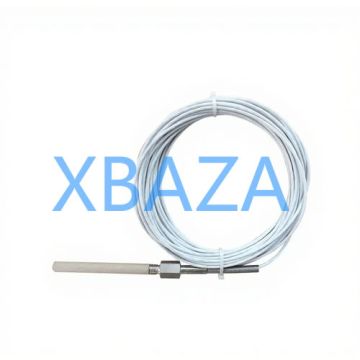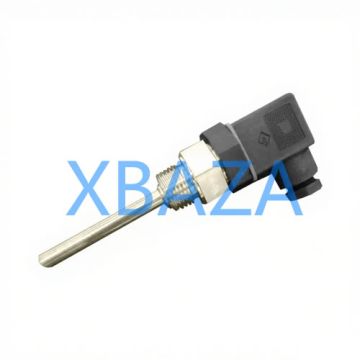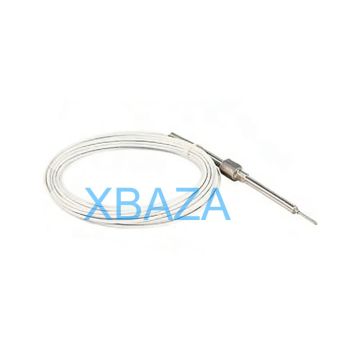


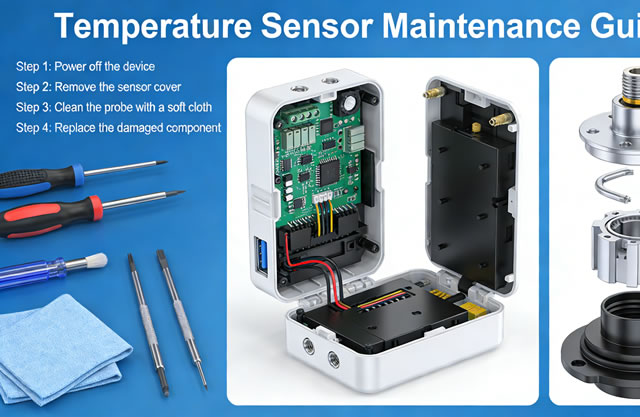
Jenbacher temperature sensors are critical components in gas engine systems, responsible for monitoring key temperature parameters (e.g., coolant, exhaust, oil) to ensure optimal engine performance, efficiency, and safety. Regular maintenance and timely repair of these sensors prevent inaccurate readings, engine downtime, and potential damage to high-value engine components. This guide outlines best practices for inspection, cleaning, calibration, troubleshooting, and preventive maintenance of Jenbacher temperature sensors.
1. Safety Precautions Before Maintenance/Repair
- Shut down the Jenbacher engine and disconnect the main power supply (lockout/tagout procedure).
- Allow the engine and sensor components to cool to ambient temperature (minimum 30 minutes) to avoid burns.
- Disconnect the sensor’s electrical connector to prevent short circuits or electrical hazards.
- Wear appropriate PPE (Personal Protective Equipment): heat-resistant gloves, safety glasses, and anti-static wristbands (for electrical components).
- Use only Jenbacher-approved tools and replacement parts to maintain compatibility and performance.
2. Routine Inspection Procedures
Inspect Jenbacher temperature sensors at least once every 2,000 operating hours (or as per Jenbacher’s maintenance schedule) to identify early signs of wear or damage:
Step 1: Visual Inspection
- Check the sensor probe for physical damage (e.g., cracks, dents, corrosion, or bent pins).
- Inspect the electrical connector for loose pins, frayed wires, or moisture ingress (a common cause of faulty readings).
- Verify the sensor’s mounting hardware (nuts, bolts, gaskets) for tightness and signs of leakage (coolant/oil seepage).
- Check the sensor cable for abrasion, cuts, or insulation damage (replace immediately if compromised).
Step 2: Functional Initial Check
- Use a multimeter to test the sensor’s resistance (ohms) against Jenbacher’s OEM specifications (refer to the engine’s service manual).
- For thermocouple-type sensors: Verify voltage output (mV) matches the expected range for ambient temperature.
- For PT100/PT1000 RTD sensors: Confirm resistance values align with industry standards (e.g., 100Ω at 0°C for PT100).
- If readings deviate by more than ±5% from OEM specs, proceed to cleaning/calibration or replacement.
3. Cleaning Procedures
Contamination (e.g., oil deposits, coolant scale, carbon buildup) on the sensor probe is a leading cause of inaccurate temperature readings. Clean sensors using the following method:
- Remove the sensor from the engine using a torque wrench (follow Jenbacher’s torque specifications to avoid stripping threads).
- Use a soft-bristled brush to gently remove loose debris from the probe surface (avoid scratching the sensor’s sensing element).
- Soak the probe in a Jenbacher-approved cleaning solution (mild alkaline cleaner) for 10–15 minutes to dissolve stubborn deposits.
- Rinse the probe with deionized water and dry thoroughly with compressed air (low pressure, max 2 bar) to prevent moisture retention.
- Inspect the probe post-cleaning—if deposits remain, repeat the process (do NOT use abrasive cleaners or wire brushes).
4. Calibration Process
Calibrate Jenbacher temperature sensors if functional checks show deviant readings (or every 6,000 operating hours) to restore accuracy:
- Use a calibrated reference thermometer (traceable to national standards) and a temperature bath (for controlled testing).
- Submerge the sensor probe (and reference thermometer) in the temperature bath at 3 key points (e.g., 50°C, 100°C, 150°C)—cover the entire sensing element.
- Allow 5–10 minutes for temperature stabilization at each setpoint.
- Record the sensor’s output (resistance/voltage) and compare it to the reference thermometer’s reading.
- Adjust the sensor (via calibration potentiometer, if applicable) or the engine’s ECU (Electronic Control Unit) to align readings with OEM specifications.
- Document all calibration data (date, setpoints, readings, adjustments) for compliance and traceability.
5. Common Faults & Troubleshooting
| Fault Symptom | Potential Cause | Repair/Resolution |
|---|---|---|
| Inaccurate temperature readings (high/low) | Contaminated probe, calibration drift, loose electrical connections | Clean the probe, recalibrate the sensor, tighten electrical connectors |
| No reading (sensor shows "open circuit") | Broken sensor element, damaged wiring, disconnected connector | Inspect wiring/connector; replace the sensor if the element is faulty |
| Fluctuating readings | Moisture in connector, loose mounting, intermittent electrical contact | Seal the connector (use dielectric grease), re-tighten mounting hardware, replace damaged wiring |
| Sensor overheating (physical damage) | Exposure to abnormal temperatures, incorrect sensor type (wrong rating) | Replace with Jenbacher OEM sensor rated for the application’s temperature range |
6. Preventive Maintenance Schedule
- Every 2,000 operating hours: Visual inspection, cleaning (if needed), and functional check.
- Every 6,000 operating hours: Full calibration and replacement of sealing gaskets.
- Every 12,000 operating hours: Proactive replacement of critical sensors (e.g., exhaust gas temperature sensors) to avoid unplanned downtime.
- After engine overhaul: Full inspection, cleaning, and calibration of all temperature sensors.
7. Replacement Guidelines
Replace a Jenbacher temperature sensor if:
- Physical damage (cracks, corrosion) is irreparable.
- Calibration attempts fail to restore accurate readings (deviation >±5% from OEM specs).
- The sensor has exceeded its service life (typically 15,000–20,000 operating hours).
- Electrical components (connector/wiring) are damaged beyond repair.
When replacing: Always use Jenbacher genuine OEM sensors (non-OEM parts may not meet performance standards and void warranty). Torque the sensor to Jenbacher’s specified value (typically 25–35 N·m for coolant sensors) to avoid thread damage.
8. Post-Maintenance Verification
After maintenance/repair/replacement:
- Reconnect the sensor’s electrical connector and secure all wiring.
- Start the Jenbacher engine and monitor temperature readings via the engine’s control panel or diagnostic tool.
- Verify readings are stable, accurate (match reference values), and free of fluctuations during idle and load tests.
- Check for leaks (coolant/oil) around the sensor mounting point during engine operation.
- Document all maintenance activities (date, work performed, parts replaced, calibration data) in the engine’s service log.
Conclusion
Proactive maintenance and timely repair of Jenbacher temperature sensors are essential to maximize engine uptime, reduce operational costs, and ensure compliance with Jenbacher’s performance standards. By following the procedures outlined in this guide—including strict adherence to safety protocols, OEM specifications, and preventive maintenance schedules—you can extend the service life of temperature sensors and maintain the reliability of your Jenbacher gas engine system.
Last updated: March 2026 | Document reference: Jenbacher Service Manual TSM-007-2024