



1. Introduction to MWM Gas Pressure Sensors
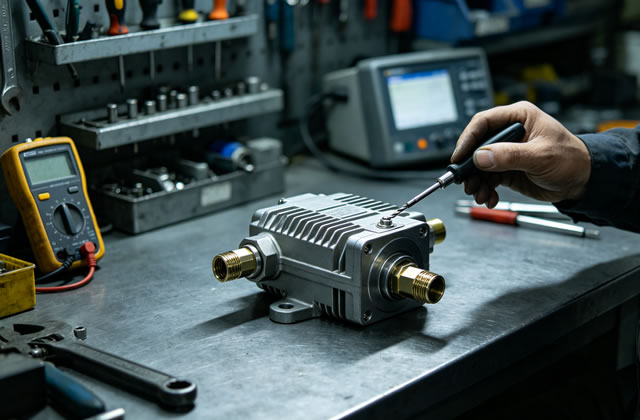
MWM gas pressure sensors are precision industrial components designed for real-time monitoring of gas pressure in MWM gas engines, generator sets, and related power systems. They deliver accurate pressure data to ensure engine combustion efficiency, operational safety, energy optimization, and long-term equipment reliability.
These sensors are widely applied in natural gas, biogas, landfill gas, and other industrial gas environments. Due to harsh working conditions including vibration, high temperature, humidity, and corrosive gas particles, regular maintenance and professional repair are essential to extend service life, avoid abnormal shutdowns, and reduce operational costs.
- Completely cut off the power supply of the sensor and connected equipment before disassembly or inspection
- Close the gas supply valve and release residual gas in the pipeline to prevent leakage or explosion risks
- Wear protective equipment: safety gloves, goggles, and anti-static clothing
- Ensure the working environment is well-ventilated and free of open flames or static electricity sources
- Follow MWM official equipment operation specifications and local industrial safety standards
2. Routine Preventive Maintenance (Recommended Schedule)
Preventive maintenance is the most effective way to reduce sensor failure rates. Below is the standardized maintenance schedule recommended for MWM gas pressure sensors:
| Maintenance Cycle | Maintenance Items | Execution Standards |
|---|---|---|
| Daily Inspection | Appearance check, data reading, connection status | No physical damage, stable readings, no loose wiring |
| Weekly Maintenance | Cleaning, cable inspection, fastener check | Surface dust removed, cables intact, fasteners tightened |
| Monthly Calibration | Pressure accuracy calibration | Error within ±0.5% of full scale |
| Quarterly Overhaul | Internal inspection, sealing performance test | No corrosion, no clogging, good air tightness |
| Annual Replacement | Wearing parts, sealing gaskets, filter elements | Replace with genuine MWM spare parts |
2.1 Daily Inspection Procedures
- Check the sensor shell for cracks, deformation, corrosion, or oil contamination
- Verify real-time pressure readings are stable and consistent with system operating parameters
- Inspect wiring terminals and connectors for looseness, oxidation, or overheating marks
- Listen for abnormal noise or gas leakage near the sensor installation position
2.2 Weekly Cleaning & Basic Maintenance
- Use a soft, dry cloth to wipe dust, oil, and condensate from the sensor surface and cables
- Avoid using water, corrosive detergents, or high-pressure air directly spraying the sensor interior
- Check cable insulation for wear, cracking, or aging; replace damaged cables immediately
- Tighten mounting bolts and pipe connectors to specified torque values
2.3 Monthly Calibration Operation
- Use a professional pressure calibrator compatible with MWM sensors
- Connect the calibrator to the sensor pressure port and apply standard pressure values
- Compare output signals (current/voltage) with standard data; adjust if deviation exceeds the limit
- Record calibration results and save them for equipment traceability management
3. Key Maintenance Points for Harsh Operating Environments
MWM gas pressure sensors often operate in harsh conditions with high humidity, corrosive gas, heavy vibration, and dust. Targeted maintenance is required:
- Corrosive Gas Environments: Inspect the pressure port and internal diaphragm weekly for corrosion; apply anti-corrosion coating regularly and replace corroded parts promptly
- High Vibration Conditions: Check mounting brackets and shock absorbers monthly; replace damaged shock absorbers to prevent internal component damage
- High Humidity & Condensate: Install drainage devices; empty accumulated liquid weekly to avoid diaphragm short circuit or blockage
- Dust & Particle Contamination: Clean or replace the built-in filter element monthly to ensure smooth gas passage and accurate sensing
4. Common Faults & Professional Repair Methods
When the MWM gas pressure sensor malfunctions, follow this troubleshooting and repair process to restore normal operation quickly:
4.1 Fault 1: No Output Signal / Zero Reading
Possible Causes: Power failure, broken cable, damaged internal circuit board, faulty sensing element
Repair Steps:
- Check input power supply voltage to ensure it matches the sensor rated voltage
- Test cable continuity with a multimeter; repair or replace broken wires
- Inspect circuit board for burnt components, water damage, or corrosion; replace damaged boards
- If the sensing chip is faulty, replace the entire sensor core assembly with genuine MWM parts
4.2 Fault 2: Unstable / Fluctuating Readings
Possible Causes: Loose connections, gas pipeline vibration, clogged pressure port, damaged diaphragm
Repair Steps:
- Tighten all electrical connectors and mounting fasteners
- Install vibration dampers for the sensor or pipeline
- Clean the pressure port and filter with compressed dry air (low pressure)
- Replace the pressure diaphragm if deformed or damaged
4.3 Fault 3: Signal Deviation / Inaccurate Readings
Possible Causes: Calibration drift, diaphragm contamination, temperature interference, aging components
Repair Steps:
- Recalibrate the sensor with standard pressure equipment
- Clean the sensing diaphragm with professional cleaning solvent
- Install thermal insulation sleeves if high temperature affects accuracy
- Replace aging core components after long-term use (over 2 years)
4.4 Fault 4: Gas Leakage at Sensor Interface
Possible Causes: Damaged sealing gasket, loose thread, cracked sensor body
Repair Steps:
- Stop gas supply and release pressure before maintenance
- Replace the sealing gasket with a new MWM original part
- Re-tighten the thread to the specified torque (do not over-tighten)
- Replace the sensor immediately if the shell is cracked or damaged
All replacement parts must be genuine MWM original accessories to ensure compatibility, accuracy, and safety. Non-original parts may cause system failure, safety risks, and void the manufacturer warranty.
Internal disassembly of the sensor should only be performed by certified MWM technicians to avoid secondary damage.
5. Post-Repair Testing & Commissioning
After maintenance or repair, complete the following tests to confirm the sensor works properly:
- Air Tightness Test: Apply rated pressure and check for leaks with soap water or leak detector
- Signal Output Test: Verify current/voltage output is linear and accurate under different pressure values
- Stability Test: Run continuously for 1–2 hours to ensure no fluctuation or failure
- System Compatibility Test: Connect to the MWM engine control system and confirm normal data communication
6. Storage & Long-Term Preservation
For unused or standby MWM gas pressure sensors:
- Store in a dry, dust-free, ventilated environment with temperature 10–30°C
- Seal the pressure port with protective caps to prevent dust or moisture entry
- Avoid stacking heavy objects on the sensor to prevent mechanical damage
- Perform functional inspection every 6 months during long-term storage
7. Service Life & Replacement Standards
The standard service life of a MWM gas pressure sensor is 3–5 years under normal operating conditions. The sensor must be replaced immediately if:
- Repairs cannot resolve accuracy deviation or signal failure
- The shell, pressure port, or diaphragm is permanently deformed or corroded
- The sensor has been used for more than 5 years
- It operates in extremely harsh environments for a long time
Timely replacement ensures the safety, efficiency, and stability of the entire MWM gas system.
8. Conclusion
MWM gas pressure sensors are critical components for the safe and efficient operation of gas engines and power systems. Scientific, standardized, and regular maintenance can significantly improve measurement accuracy, extend service life, reduce failure rates, and avoid unplanned downtime.
All maintenance and repair operations must comply with MWM official guidelines and industrial safety standards. When complex faults occur, contact MWM authorized service centers for professional support to ensure equipment reliability and operational safety.