









MWM (Motoren Werke Mannheim) engines are globally recognized for their heavy-duty performance, durability, and efficiency in power generation, marine, industrial, and automotive applications. The MWM Gasket Kit is a critical component of engine sealing systems, responsible for preventing fluid leaks, maintaining compression, isolating engine compartments, and ensuring optimal operational stability. A high-quality, well-maintained gasket kit directly impacts engine lifespan, fuel efficiency, emission control, and overall reliability.
This comprehensive guide covers everything you need to know about MWM Gasket Kit inspection, maintenance, repair, installation, troubleshooting, and long-term care—designed for technicians, fleet managers, maintenance teams, and equipment owners seeking professional, actionable best practices.
1. Core Functions of the MWM Gasket Kit
Every gasket in an MWM kit serves a specialized sealing purpose. Understanding these roles is essential for effective maintenance:
- Seal combustion chambers to preserve cylinder compression and maximize engine power
- Prevent leaks of engine oil, coolant, fuel, and hydraulic fluids
- Resist extreme temperatures, high pressure, chemical corrosion, and mechanical vibration
- Maintain proper oil circulation and cooling system efficiency
- Reduce friction between engine components and protect against premature wear
- Ensure compliance with environmental and emissions standards by eliminating fluid leaks
2. Key Components Included in a Complete MWM Gasket Kit
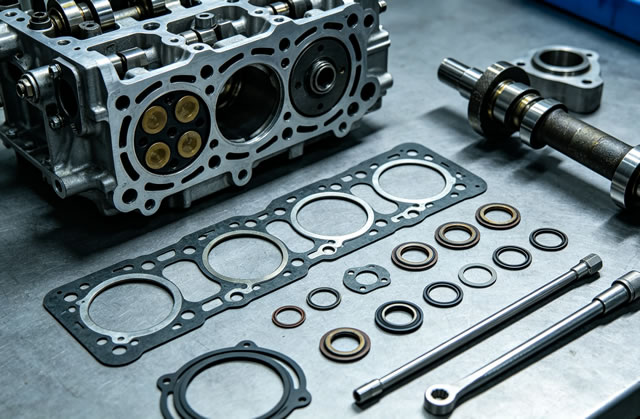
A genuine MWM Gasket Kit includes precision-engineered seals for full engine coverage. Standard components include:
- Cylinder Head Gasket (primary high-pressure seal for combustion chambers)
- Intake & Exhaust Manifold Gaskets
- Oil Pan Gasket
- Valve Cover Gasket
- Water Pump & Thermostat Gaskets
- Timing Cover Gaskets
- Seals for fuel injectors, oil cooler, and turbocharger interfaces
- O-rings, gaskets, and auxiliary seals for full engine assembly
Professional Tip: Always use genuine OEM MWM Gasket Kits or certified aftermarket equivalents. Low-quality gaskets fail prematurely, cause catastrophic engine damage, and void warranties.
3. Routine Maintenance & Inspection of MWM Gasket Kit
Preventive maintenance is the most cost-effective way to extend gasket life and avoid unexpected downtime. Follow this inspection schedule:
3.1 Daily Visual Inspection (5–10 Minutes)
- Check for visible oil, coolant, or fuel leaks around cylinder heads, manifolds, and oil pans
- Inspect for discoloration, warping, or cracking on external gasket surfaces
- Monitor engine temperature and pressure gauges for abnormal fluctuations
- Listen for unusual hissing, whistling, or ticking sounds indicating seal failure
3.2 Monthly/250-Hour Detailed Inspection
- Clean gasket surfaces to remove oil, dirt, and carbon deposits
- Check bolt torque for cylinder heads and manifold mounts (follow MWM factory specifications)
- Inspect coolant and oil for contamination (milky oil = head gasket leak)
- Verify exhaust gas consistency and check for white/blue smoke (signs of seal failure)
3.3 Annual/1500-Hour Comprehensive Service
- Perform full engine pressure testing to detect hidden leaks
- Replace worn, brittle, or deformed gaskets before failure occurs
- Resurface mating surfaces if warping or corrosion is detected
- Lubricate and replace auxiliary O-rings and seals
4. Step-by-Step MWM Gasket Kit Installation & Repair Procedure
Proper installation is critical for gasket performance. Follow these professional steps for safe, long-lasting results:
4.1 Pre-Installation Preparation
- Disconnect battery, drain engine oil and coolant completely
- Clean all mating surfaces thoroughly with a gasket scraper and solvent (no residue allowed)
- Inspect cylinder heads, blocks, and manifolds for cracks, warping, or corrosion
- Confirm all new gaskets match MWM engine model specifications
4.2 Installation Best Practices
- Apply a thin, uniform layer of gasket sealant only where specified by MWM (excess sealant causes blockages)
- Align gaskets perfectly with mounting holes and alignment pins
- Tighten bolts in the factory-recommended cross-pattern to avoid warping
- Use a torque wrench to apply exact torque values (over-tightening breaks gaskets; under-tightening causes leaks)
- Re-torque bolts after the first engine warm-up cycle (thermal expansion adjustment)
4.3 Post-Installation Testing
- Refill oil and coolant, then run the engine at idle for 10–15 minutes
- Inspect all sealing points for leaks
- Check compression, temperature, and pressure to confirm normal operation
- Perform a 24-hour soak test for heavy-duty engines before full load operation
CRITICAL SAFETY WARNING: Never reuse old cylinder head gaskets or manifold gaskets. Always install a new MWM Gasket Kit during engine overhauls, repairs, or component replacements.
5. Common MWM Gasket Kit Failures & Troubleshooting
Early detection of gasket issues prevents costly engine repairs. Below are the most common failures and solutions:
5.1 Cylinder Head Gasket Failure
Symptoms: Overheating, milky engine oil, white exhaust smoke, low compression, coolant loss
Causes: Overheating, improper torque, warped surfaces, low-quality gaskets
Solution: Replace head gasket immediately, resurface cylinder head, verify torque values
5.2 Oil Pan Gasket Leaks
Symptoms: Oil drips under the engine, low oil pressure
Causes: Vibration, corrosion, damaged mounting bolts
Solution: Replace oil pan gasket, clean sealing surfaces, replace worn bolts
5.3 Exhaust Manifold Gasket Leaks
Symptoms: Loud exhaust noise, burnt smell, reduced engine power
Causes: Extreme heat, thermal expansion, loose bolts
Solution: Replace exhaust gasket, retorque manifold bolts
5.4 Coolant Leaks From Gasket Seals
Symptoms: Puddles under engine, overheating, low coolant level
Causes: Degraded rubber seals, cracked gaskets, improper installation
Solution: Replace water pump/thermostat gaskets, pressure-test cooling system
6. Long-Term Care Tips for Maximizing MWM Gasket Kit Lifespan
- Use only MWM-recommended engine oil, coolant, and lubricants to avoid chemical damage to gaskets
- Avoid engine overheating—maintain cooling system regularly
- Do not overload engines beyond factory-rated capacity
- Store spare gaskets in a cool, dry, dust-free environment (avoid sunlight and moisture)
- Schedule professional engine servicing by MWM-certified technicians
- Keep detailed maintenance records for warranty and performance tracking
7. Why Choose Genuine MWM Gasket Kits?
Aftermarket or counterfeit gasket kits may seem cost-effective upfront, but they lead to expensive long-term consequences. Genuine MWM Gasket Kits offer:
- Precision engineering for exact MWM engine fitment
- High-grade materials resistant to heat, pressure, and chemicals
- Factory-backed warranty and performance guarantee
- Extended service life and reduced maintenance frequency
- Full compatibility with engine emissions and performance systems
Final Thoughts
The MWM Gasket Kit is the backbone of engine sealing and reliability. Consistent preventive maintenance, proper installation, and use of genuine components are the three pillars of maximizing gasket life and avoiding unexpected breakdowns.
By following the guidelines in this manual, you can ensure your MWM engine operates at peak efficiency, minimizes downtime, reduces repair costs, and delivers consistent performance for years to come.
For professional MWM engine service, always consult certified technicians and use genuine OEM replacement parts.

