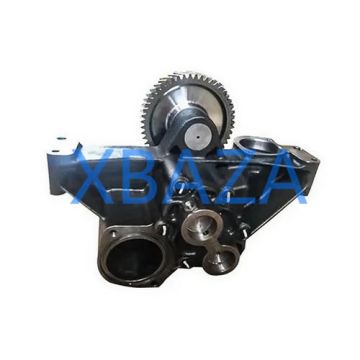






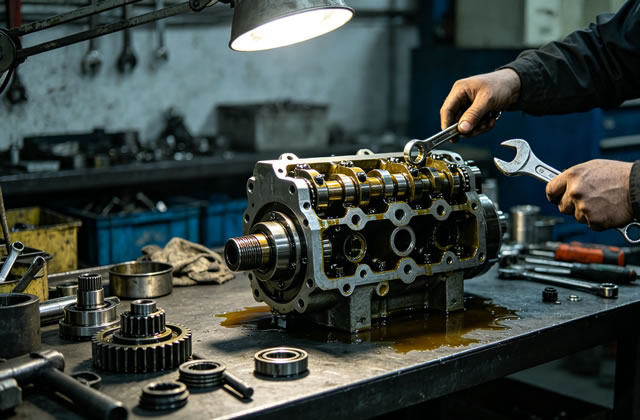
The MWM oil pump is a mission-critical lubrication component designed for MWM diesel and gas engines—widely used in power generation, marine, industrial, and heavy-duty applications. As the core of engine lubrication, the oil pump delivers pressurized oil to bearings, pistons, camshafts, and other moving parts, preventing metal-to-metal contact, reducing friction, dissipating heat, and extending engine service life. Improper maintenance or delayed repair can lead to catastrophic engine failure, costly downtime, and safety hazards.
This comprehensive guide covers routine maintenance, troubleshooting, professional repair procedures, long-term preservation, and best practices to ensure optimal performance and reliability of MWM oil pumps.
1. Core Functions & Importance of MWM Oil Pumps
MWM oil pumps are engineered to meet strict OEM specifications for high efficiency, consistent pressure, and durability under extreme operating conditions. Their key functions include:
- Delivering continuous, pressurized lubricating oil to all critical engine friction surfaces
- Maintaining stable oil pressure across all engine speeds and loads
- Circulating oil to cool internal components and remove wear debris and contaminants
- Protecting against dry starts, seizure, and premature engine wear
- Supporting fuel efficiency and reducing operational emissions
Without a fully functional oil pump, even the most robust MWM engine will suffer irreversible damage within minutes of operation.
CRITICAL SAFETY WARNING
Never operate an MWM engine with a faulty, unmaintained, or improperly repaired oil pump. Low oil pressure is the #1 cause of MWM engine breakdowns.
2. Routine Preventive Maintenance (Daily & Scheduled)
Preventive maintenance is the most effective way to avoid unexpected oil pump failures and extend service life. Follow this structured maintenance schedule strictly:
Daily Inspection (Before Engine Startup)
- Check engine oil level using the dipstick; maintain oil between MIN and MAX marks
- Inspect for external oil leaks around the oil pump housing, seals, gaskets, and oil lines
- Verify oil pressure gauge readings are within the OEM-recommended range (typically 2.5–5 bar at operating temperature)
- Listen for abnormal noises (whining, grinding, ticking) that indicate pump wear or cavitation
Weekly Maintenance
- Clean the oil pump exterior and surrounding area to remove dust, grease, and debris
- Check oil filter condition and replace if clogged or damaged
- Inspect oil pressure sensor wiring and connections for corrosion or looseness
Monthly / 250 Operating Hours Maintenance
- Test oil pressure with a precision manual gauge to validate dashboard readings
- Inspect the oil pump drive gear, coupling, and chain/belt for wear, slack, or damage
- Check oil relief valve operation to ensure proper pressure regulation
- Test oil quality (viscosity, contamination, oxidation) using on-site testing kits
Annual / 2000 Operating Hours Overhaul (Minimum)
- Full disassembly, cleaning, and inspection of the oil pump assembly
- Replacement of all wear parts: bearings, seals, gaskets, O-rings, and rotor/gear sets
- Calibration of pressure relief valve and flow rate testing
- Reinstallation with OEM torque specifications and priming before engine startup
3. Common Failures & Troubleshooting MWM Oil Pumps
Early detection of malfunctions prevents major damage. Below are the most frequent issues and diagnostic steps:
Issue 1: Low Oil Pressure Warning
Possible Causes: Worn pump gears/rotors, damaged bearings, clogged oil passages, faulty relief valve, insufficient oil, degraded oil viscosity
Troubleshooting: Verify oil level/quality → check filter → test relief valve → inspect pump internal clearances → measure pressure output
Issue 2: Excessive Oil Consumption & Leaks
Possible Causes: Worn shaft seals, cracked pump housing, damaged gaskets, loose mounting bolts
Troubleshooting: Inspect external seals → replace gaskets → torque mounting bolts → check housing for cracks
Issue 3: Abnormal Noise (Whining / Grinding / Rattling)
Possible Causes: Cavitation (air in oil), worn bearings, misaligned drive, damaged gears/rotors, insufficient oil
Troubleshooting: Bleed air from lubrication system → inspect bearings → check drive alignment → replace worn rotating components
Issue 4: Oil Pump Overheating
Possible Causes: Contaminated oil, restricted flow, seized bearings, excessive load
Troubleshooting: Flush oil system → replace oil and filter → inspect internal components for seizure
PRO TIP
Always record troubleshooting results, repair dates, and part replacements for traceability and future maintenance planning.
4. Step-by-Step Professional Repair Procedure
MWM oil pump repair requires technical skill, OEM tools, and genuine replacement parts. Follow this professional workflow:
- Preparation & Safety: Shut down engine, disconnect power, relieve oil pressure, drain engine oil, and secure the work area.
- Removal: Disconnect oil lines, electrical connectors, and mounting bolts; carefully remove the oil pump assembly without damaging the engine block.
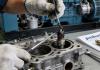
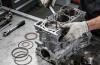
- Disassembly: Disassemble the pump housing, gears/rotors, shaft, bearings, relief valve, and seals; organize all parts to avoid loss.
- Cleaning & Inspection: Clean all parts with non-flammable solvent; inspect for wear, scoring, cracks, corrosion, and dimensional deviation.
- Part Replacement: Replace all wearable components with genuine MWM OEM parts—never use aftermarket substandard parts.
- Reassembly: Reassemble the pump with lubricated components; follow OEM clearances and torque values for all fasteners.
- Bench Testing: Test flow rate, pressure output, and relief valve function using a test bench to validate performance.
- Installation: Install the repaired pump, new gaskets, and reconnect all lines and sensors.
- Priming & Startup: Prime the oil pump manually before engine startup to eliminate dry running; start engine and monitor pressure for 30+ minutes.
- Final Verification: Check for leaks, abnormal noise, and stable oil pressure; document all work for service records.
5. Long-Term Preservation & Storage Guidelines
For standby generators, spare pumps, or idle equipment, proper storage prevents corrosion and damage:
- Clean and dry the pump thoroughly; coat internal surfaces with anti-corrosion lubricant
- Seal all ports and openings with protective caps to block dust and moisture
- Store in a dry, temperature-stabilized (10–30°C) environment away from direct sunlight
- Rotate spare pumps every 3 months to maintain lubrication on bearings and rotors
- Inspect stored units every 6 months for corrosion, seal degradation, or contamination
6. Best Practices for Maximum Service Life
- Use only MWM-approved engine oil and genuine OEM filters
- Avoid overloading or operating the engine outside recommended RPM ranges
- Train operators to recognize early warning signs of oil pump failure
- Maintain detailed service logs for all maintenance and repair activities
- Partner with authorized MWM service centers for major overhauls
- Never ignore low oil pressure alarms or warning lights
- Flush the entire lubrication system if contaminated oil is detected
- Replace complete pump assembly if housing is cracked or irreparably damaged
7. Conclusion
The MWM oil pump is the heart of engine lubrication, and its reliability directly determines the performance, safety, and service life of MWM engines. By implementing strict routine maintenance, early troubleshooting, professional repair procedures, and proper storage practices, you can eliminate unexpected failures, reduce operational costs, and maximize uptime.
Always prioritize genuine MWM parts, certified technicians, and adherence to OEM guidelines. A well-maintained MWM oil pump will deliver consistent performance for thousands of operating hours under heavy-duty conditions.