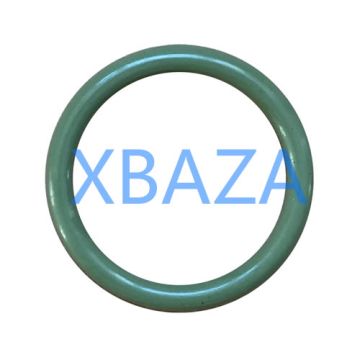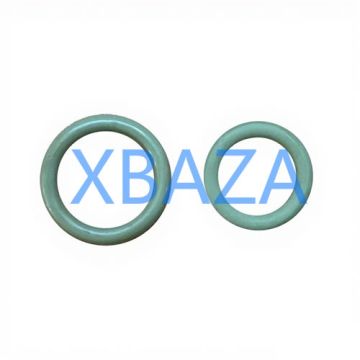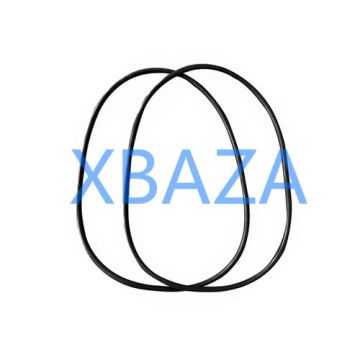










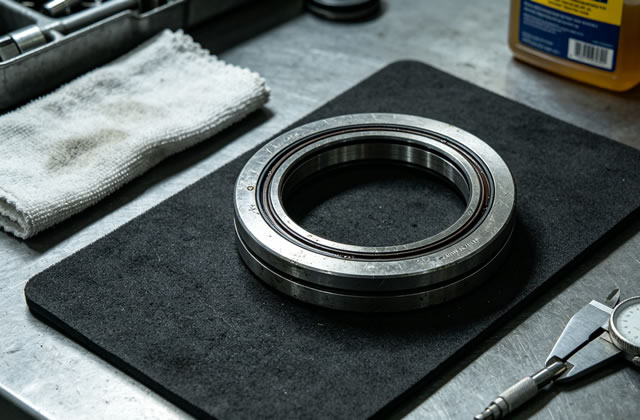
The MWM Ring stands as a critical component in industrial machinery, renowned for its robust design and reliability in high-demand operational environments. Whether integrated in power generation systems, compression equipment, or heavy-duty industrial engines, the MWM Ring requires consistent, proactive maintenance and targeted repair protocols to preserve performance, prevent costly downtime, and extend its service life. This complete guide outlines best practices for routine care, troubleshooting common issues, professional repair standards, and long-term preservation strategies to maximize the value and functionality of your MWM Ring.
1. Understanding the MWM Ring: Core Function & Importance
Before diving into maintenance and repair, it is essential to recognize the pivotal role of the MWM Ring. Engineered for precision and durability, this component seals critical pressure systems, reduces friction between moving parts, stabilizes mechanical operations, and ensures energy efficiency in industrial equipment. Even minor wear or damage to the MWM Ring can trigger cascading issues: reduced operational efficiency, increased energy consumption, fluid leaks, abnormal noise, vibration, and catastrophic machinery failure if left unaddressed.
Proactive care is not just a recommendation—it is a necessity to protect your equipment investment, maintain operational continuity, and comply with industrial safety and performance standards.
2. Routine Preventive Maintenance (Daily, Weekly & Monthly)
Preventive maintenance is the foundation of MWM Ring reliability. Consistent inspections and care identify minor issues before they escalate, minimizing repair costs and downtime.
Daily Maintenance Checks
- Visual inspection: Examine the MWM Ring and surrounding components for signs of leaks, abnormal heat, or physical damage.
- Operational monitoring: Listen for unusual noises (grinding, rattling) and check for excessive vibration during equipment operation.
- Temperature monitoring: Ensure the ring operates within the manufacturer’s recommended temperature range to prevent thermal stress.
Weekly Maintenance Tasks
- Clean the MWM Ring surface: Remove dust, debris, oil residue, and industrial contaminants using a lint-free cloth and approved industrial cleaning solutions.
- Lubrication inspection: Verify lubricant levels and quality; insufficient or contaminated lubrication is a leading cause of premature wear.
- Fastener check: Inspect mounting bolts and connections for tightness—loose fittings cause misalignment and accelerated damage.
Monthly Comprehensive Maintenance
- Full performance inspection: Assess sealing efficiency, friction levels, and alignment with precision measuring tools.
- Lubricant replacement: Drain and replace lubricants according to the manufacturer’s specifications to maintain optimal lubrication.
- Wear assessment: Measure for minor scratches, corrosion, or dimensional changes that could impact performance.
- Environmental check: Ensure the operating area is free from excessive moisture, dust, and corrosive materials that degrade the MWM Ring.
3. Common MWM Ring Issues & Troubleshooting
Even with strict maintenance, MWM Rings may develop issues over time. Early identification and troubleshooting reduce repair complexity and downtime.
Common Problems & Solutions
- Premature Wear & Scratches
Cause: Inadequate lubrication, abrasive contaminants, misalignment.
Troubleshooting: Clean the ring thoroughly, replenish high-quality lubricant, realign components, and inspect for abrasive particles in the system. - Fluid Leaks
Cause: Damaged sealing surfaces, loose fittings, worn gasket materials.
Troubleshooting: Tighten connections, replace gaskets, and inspect the ring for cracks or deformation that compromise sealing. - Abnormal Noise & Vibration
Cause: Misalignment, loose mounting, excessive friction, internal damage.
Troubleshooting: Re-align the ring, secure fasteners, lubricate moving parts, and check for bent or distorted surfaces. - Corrosion & Oxidation
Cause: Moisture exposure, corrosive chemicals, improper storage.
Troubleshooting: Clean corroded areas with approved anti-corrosion solutions, apply protective coatings, and improve environmental controls. - Thermal Damage
Cause: Overheating, excessive load, poor heat dissipation.
Troubleshooting: Reduce operational load, clean cooling systems, and verify compliance with temperature specifications.
4. Professional MWM Ring Repair Protocols
When maintenance alone cannot resolve damage, professional repair by certified technicians is critical to restore the MWM Ring to factory-grade performance.
Standard Repair Process
- Detailed Inspection & Diagnostics: Technicians perform a full disassembly and precision inspection using specialized tools to map wear, cracks, deformation, and performance gaps. A detailed report outlines required repairs vs. replacement recommendations.
- Precision Cleaning & Preparation: The ring is deep-cleaned to remove all contaminants, lubricants, and corrosion. This ensures repair materials bond properly and restores base component integrity.
- Targeted Repair Services: Surface refinishing, dimensional restoration, sealing repair, protective coating application, and OEM-compatible component replacement.
- Quality Testing & Calibration: Post-repair, the MWM Ring undergoes pressure testing, performance calibration, and operational trials to verify efficiency, sealing, and durability.
- Reinstallation Support: Certified technicians provide proper installation guidance to ensure correct alignment, torque, and integration with the host machinery.
5. Long-Term Preservation & Storage Best Practices
For MWM Rings in storage or standby operation, proper preservation prevents degradation and ensures readiness for use.
- Clean and dry the ring completely before storage to eliminate moisture and contaminants.
- Apply a corrosion-resistant protective coating or lubricant to all surfaces.
- Store in a cool, dry, dust-free environment away from direct sunlight and corrosive materials.
- Use sealed, protective packaging to avoid physical damage during storage.
- Perform quarterly inspection of stored rings to detect early corrosion or damage.
6. Safety Guidelines for Maintenance & Repair
Safety is non-negotiable when servicing MWM Ring components.
- Always power down and lock out machinery before starting maintenance or repair.
- Wear appropriate PPE: safety gloves, goggles, protective clothing, and non-slip footwear.
- Use only manufacturer-approved tools, lubricants, and replacement parts.
- Follow all industrial safety standards and equipment-specific guidelines.
- Do not operate damaged MWM Rings—immediately cease use and arrange for repair.
7. When to Replace vs. Repair Your MWM Ring
In some cases, replacement is more cost-effective and reliable than repair:
- Extensive cracking, deformation, or structural damage
- Wear exceeding manufacturer tolerance limits
- Frequent recurring issues despite repeated repairs
- End of projected service life
- Performance degradation impacting overall machinery efficiency
Certified technicians can provide an expert assessment to help you make the best decision for your operations.
Conclusion
The MWM Ring is a cornerstone of reliable industrial machinery performance, and its longevity depends entirely on consistent maintenance, timely troubleshooting, and professional repair. By implementing daily, weekly, and monthly preventive care protocols, addressing issues at the earliest stage, and partnering with certified service providers for complex repairs, you ensure optimal performance, minimize downtime, and maximize the service life of your MWM Ring. Prioritize proactive care, adhere to safety standards, and follow manufacturer guidelines to protect your equipment and sustain seamless industrial operations.