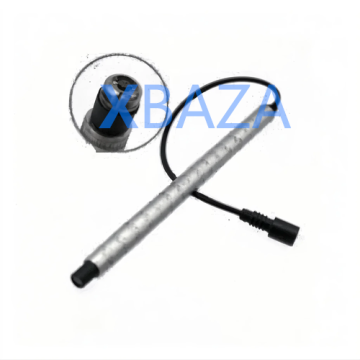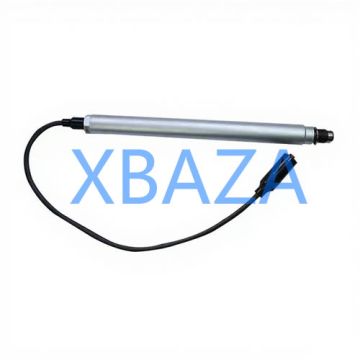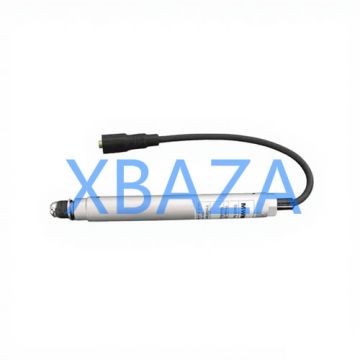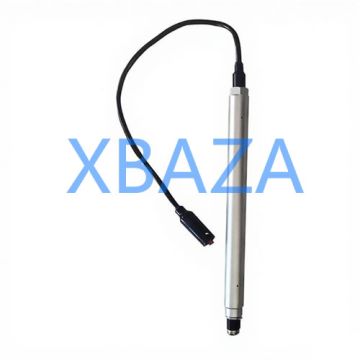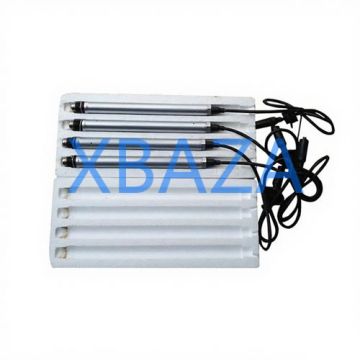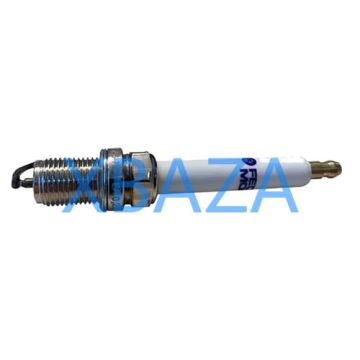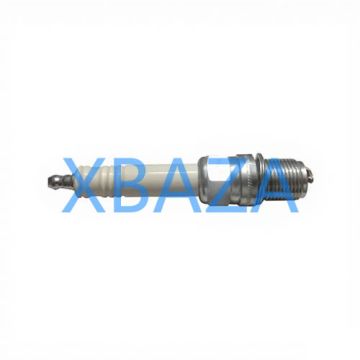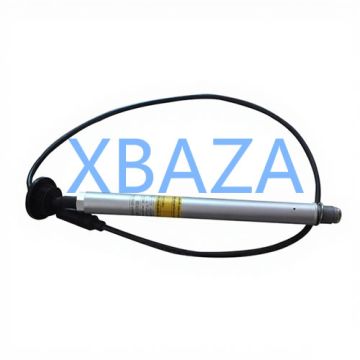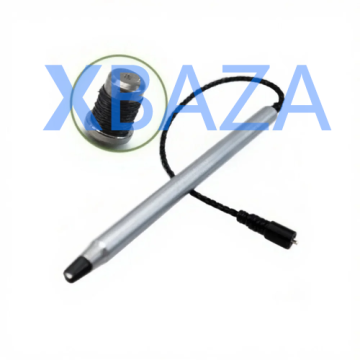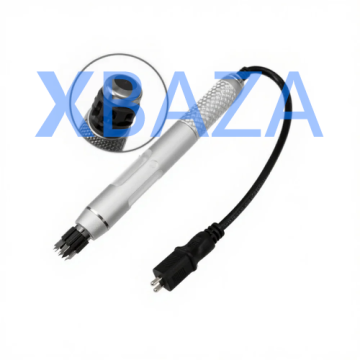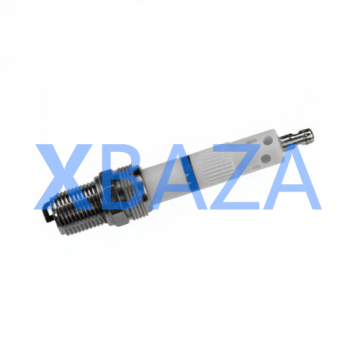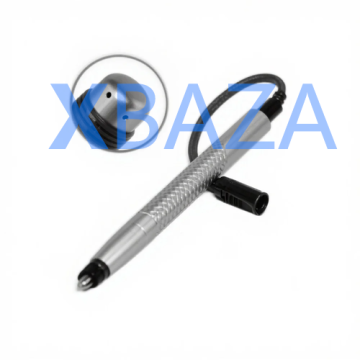










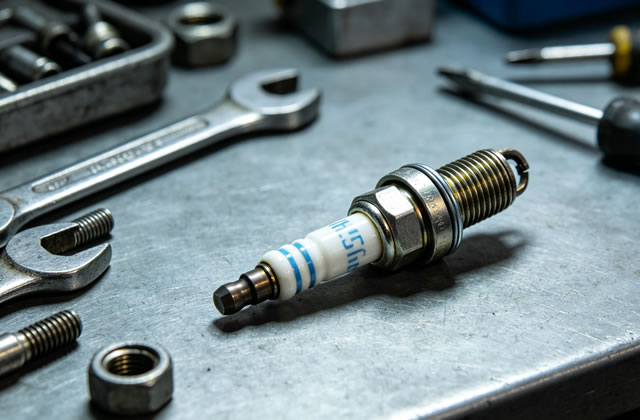
MWM spark plugs are critical components for MWM industrial engines, generators, heavy-duty machinery, and commercial vehicles. They deliver the precise ignition required for optimal combustion, fuel efficiency, and engine reliability. Proper maintenance and timely service of MWM spark plugs directly extend engine lifespan, reduce operational costs, prevent unexpected downtime, and ensure consistent performance in demanding working conditions.
This comprehensive guide covers everything you need to know about MWM spark plug inspection, maintenance, replacement, troubleshooting, and best practices for long-term durability.
1. Core Functions of MWM Spark Plugs
MWM spark plugs are engineered to meet the strict performance standards of MWM diesel and gas engines. Their primary functions include:
- Generating high-voltage electric sparks to ignite air-fuel mixtures in combustion chambers
- Withstanding extreme heat, pressure, and vibration in heavy-duty engine environments
- Maintaining stable ignition timing for maximum power output and fuel economy
- Preventing misfires, rough idling, and incomplete combustion that damages engine components
- Supporting emission control systems to meet environmental and regulatory standards
2. Recommended Maintenance Schedule for MWM Spark Plugs
Following a strict maintenance schedule is the foundation of reliable MWM engine operation. Always refer to your MWM engine manual for model-specific intervals, but use these general guidelines as a standard:
- Visual Inspection: Every 250 operating hours or 3 months (whichever comes first)
- Cleaning & Gap Adjustment: Every 500 operating hours
- Full Replacement: Every 1,500–3,000 operating hours (gas engines: shorter intervals; heavy-load engines: 1,500 hours max)
- Post-Repair Check: Immediately after engine overhauls, fuel system repairs, or ignition system upgrades
3. Step-by-Step MWM Spark Plug Inspection Process
Regular inspections catch early wear and damage before they cause major engine issues. Follow this professional inspection procedure:
3.1 Pre-Inspection Safety Steps
- Turn off the engine and allow it to cool completely (minimum 30 minutes) to avoid burns
- Disconnect the battery negative terminal to prevent accidental ignition
- Clean the exterior of spark plug wires and ports to avoid dirt entering the engine
- Prepare tools: spark plug socket, torque wrench, gap gauge, cleaning brush, and compressed air
3.2 Visual & Physical Inspection Criteria
- Electrode Condition: Check for erosion, pitting, melting, or excessive wear on center and ground electrodes
- Insulator Condition: Inspect for cracks, chips, carbon deposits, oil fouling, or fuel fouling
- Thread Condition: Ensure threads are clean, undamaged, and free of corrosion or cross-threading
- Seal/Gasket: Verify the spark plug gasket is intact and provides a tight seal
- Gap Measurement: Use a wire gap gauge to confirm the gap matches MWM factory specifications
4. MWM Spark Plug Cleaning & Gap Adjustment
Cleaning and adjusting MWM spark plugs restores performance and extends service life. Only perform these steps on plugs with minor deposits and no physical damage.
4.1 Proper Cleaning Methods
- Use a soft brass wire brush to remove light carbon deposits (avoid abrasive tools that scratch the insulator)
- For heavy deposits, use a ultrasonic cleaner or specialized spark plug cleaning machine
- Blow away dust and debris with compressed air after cleaning
- Never use gasoline, harsh chemicals, or high-temperature torches to clean MWM spark plugs
4.2 Gap Adjustment Standards
- MWM standard spark plug gap: 0.7–0.9 mm (check engine model for exact specs)
- Adjust only the ground electrode (never bend the center insulator)
- Re-measure the gap after adjustment to ensure accuracy
- Discard and replace plugs if electrodes are too thin or damaged
5. MWM Spark Plug Replacement: When & How
Replacement is non-negotiable when spark plugs reach end-of-life or show irreversible damage. Using genuine MWM spark plugs is critical for compatibility and performance.
5.1 Signs That Require Immediate Replacement
- Severe electrode erosion or melting
- Ceramic insulator cracks or breaks
- Persistent oil/fuel fouling despite engine repairs
- Consistent engine misfires, rough idling, or power loss
- Failed gap adjustment (electrodes too weak to hold shape)
- Thread damage or corrosion that prevents proper installation
5.2 Professional Installation Steps
- Confirm you have the exact genuine MWM spark plug model for your engine
- Hand-thread the spark plug into the cylinder head to avoid cross-threading
- Tighten with a torque wrench to MWM specifications: 25–30 Nm (most models)
- Reconnect ignition wires securely and ensure proper routing
- Reconnect the battery and start the engine for a 5–10 minute test run
- Check for exhaust leaks, unusual noises, or warning lights post-installation
6. Common MWM Spark Plug Issues & Troubleshooting
Most spark plug problems stem from engine issues, improper maintenance, or low-quality components. Use this troubleshooting table to diagnose and resolve issues quickly:
- Carbon Fouling: Caused by rich fuel mixture, clogged air filters, or idling for long periods → Clean filters, adjust fuel system, replace plugs
- Oil Fouling: Caused by worn piston rings, valve seals, or gaskets → Repair engine leaks, replace plugs
- Overheating: Caused by incorrect heat range, advanced timing, or lean fuel → Install correct MWM plugs, adjust timing
- Misfires: Caused by bad gaps, worn electrodes, or faulty ignition coils → Adjust/replace plugs, test coils
- Electrode Wear: Caused by high mileage, poor fuel quality, or extreme loads → Replace with genuine MWM plugs
7. Best Practices for Long-Term MWM Spark Plug Performance
Follow these industry best practices to maximize the lifespan and efficiency of your MWM spark plugs and engines:
- Always use genuine OEM MWM spark plugs – aftermarket copies cause premature failure
- Use high-quality fuel and lubricants that meet MWM engine standards
- Keep air filters, fuel filters, and ignition coils well-maintained
- Avoid overloading engines or running them at extremely high temperatures for extended periods
- Store spare MWM spark plugs in a dry, clean environment to prevent corrosion
- Document all maintenance and replacement dates for traceability and compliance
- Train operators to recognize early warning signs of spark plug failure
8. Final Thoughts
MWM spark plugs are small components but play an oversized role in the performance, reliability, and durability of MWM engines. Neglecting spark plug maintenance leads to costly repairs, unplanned downtime, reduced fuel efficiency, and shortened engine life.
By following the maintenance schedule, inspection procedures, cleaning/adjustment guidelines, and replacement best practices outlined in this guide, you can ensure your MWM spark plugs operate at peak performance and protect your valuable engine investment for years to come.
Always consult your official MWM engine service manual for model-specific specifications and recommendations.