








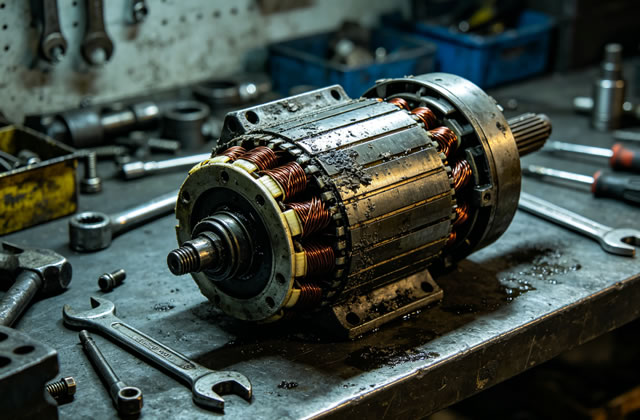
The stator is the static, core electrical component of MWM generators and engines—responsible for power generation, voltage regulation, and overall electrical output stability. As a fixed part with copper windings, insulation systems, and structural assemblies, the MWM stator operates under extreme thermal, mechanical, and electrical stress daily. Without regular, professional maintenance, stator failures can lead to unplanned downtime, costly repairs, reduced power efficiency, and catastrophic engine damage.
This comprehensive guide covers routine preventive maintenance, detailed overhaul procedures, fault diagnosis, safety protocols, and long-term preservation strategies for all MWM stator models (including TCG, TP, HD series, and industrial generator stators). Following these standards will maximize stator lifespan, ensure operational reliability, and minimize total cost of ownership.
1. Core Importance of MWM Stator Maintenance
MWM stators are engineered for heavy-duty, continuous operation, but they are vulnerable to three primary failure modes that maintenance directly prevents:
- Insulation Degradation: Heat, moisture, oil contamination, and chemical corrosion break down winding insulation, causing short circuits, ground faults, and burnout.
- Mechanical Wear: Vibration, thermal expansion, and loose connections damage stator cores, winding supports, and terminal blocks.
- Contamination Buildup: Dust, dirt, coolant, oil, and carbon deposits block ventilation, trap heat, and reduce electrical performance.
Consistent maintenance extends stator life from 15+ years (standard) to 25+ years, reduces energy consumption, and eliminates 90% of unexpected electrical failures.
2. Safety Protocols for All Stator Service Work
- Activate full LOTO: Disconnect main power, generator output breakers, and control circuits; secure all switches with safety locks.
- Discharge all stator capacitors and winding stored energy using certified discharge tools (wait 15+ minutes after power shutdown).
- Verify zero voltage with a calibrated multimeter before touching any stator components.
- Use insulated tools, PPE (rubber gloves, safety goggles, flame-resistant clothing), and non-conductive work platforms.
- Ensure proper ventilation in the work area for cleaning, drying, and insulation testing.
- Keep fire extinguishers (Class C/E) nearby for electrical fire risks.
3. Routine Preventive Maintenance (Daily, Weekly, Monthly)
Routine maintenance is the foundation of stator health—performed without full disassembly, it detects issues early.
Daily Checks (5–10 Minutes)
- Monitor stator winding temperature (via MWM control panel) – ensure values stay within OEM specifications (typically 120–150°C max).
- Check for abnormal noises (vibration, buzzing) indicating loose windings or core damage.
- Inspect for leaks (oil, coolant) near the stator housing that could contaminate windings.
Weekly Checks (30–60 Minutes)
- Clean external stator surfaces and ventilation grilles with dry, compressed air (5–7 bar, oil-free).
- Inspect electrical terminals for corrosion, overheating, or loose fasteners; torque to MWM factory specs.
- Verify cooling fan operation (air-cooled stators) or coolant flow (water-cooled stators).
Monthly/Quarterly Maintenance (2–4 Hours)
- Perform insulation resistance testing with a 500V/1000V megohmmeter (minimum acceptable value: 100 MΩ at 25°C).
- Check stator housing ground connections for continuity and corrosion.
- Inspect winding surfaces for dust, oil film, or discoloration (early overheating sign).
- Calibrate temperature sensors connected to the stator windings.
4. Major Stator Overhaul Procedure (Every 3–5 Years or 10,000 Operating Hours)
A full overhaul requires stator removal and detailed inspection/restoration—only performed by MWM-certified technicians.
Step 1: Stator Removal & Disassembly
- Disconnect all electrical cables, terminal blocks, and sensor wiring from the stator.
- Remove the stator from the generator/engine housing using proper lifting equipment (avoid damaging windings).
- Label all components for correct reassembly; take photos for reference.
Step 2: Deep Cleaning (Most Critical Overhaul Step)
- Remove loose contaminants with oil-free dry compressed air (do not use high pressure that damages windings).
- Clean oil/contaminated windings with MWM-approved electrical contact cleaner or isopropyl alcohol (99%+).
- For heavy deposits: Use low-pressure steam cleaning followed by forced hot-air drying (80–100°C for 4–6 hours).
- Ensure 100% dryness—moisture is the top cause of insulation failure.
Step 3: Visual & Non-Destructive Inspection
- Examine copper windings for discoloration, scorching, cracking, or fraying (signs of overheating/abrasion).
- Check stator core laminations for rust, corrosion, or separation.
- Inspect insulation tape/wedges for peeling, brittleness, or damage.
- Test for winding short circuits, open circuits, and ground faults with specialized MWM diagnostic tools.
Step 4: Repair & Restoration
- Replace damaged insulation with MWM-specified high-temperature insulation materials.
- Repair loose windings and re-secure with epoxy wedges and ties.
- Fix minor core damage; replace severely damaged stator laminations if needed.
- Re-torque all terminal bolts and connectors to OEM torque specifications.
Step 5: Final Testing & Reinstallation
- Re-test insulation resistance (must meet or exceed OEM values).
- Perform high-pot (HiPot) testing to verify winding integrity.
- Reinstall stator using reverse disassembly steps; reconnect all wiring and sensors.
- Run a no-load test and verify voltage output, temperature, and vibration levels.
5. Common MWM Stator Faults & Troubleshooting
Insulation Failure (Most Common)
Cause: Moisture, oil contamination, overheating, aging
Solution: Dry stator completely, clean windings, replace damaged insulation; overhaul if severe.
Stator Overheating
Cause: Clogged ventilation, overloading, cooling system failure
Solution: Clean ventilation paths, reduce load, repair cooling system, calibrate temperature sensors.
Loose Windings/Vibration Damage
Cause: Engine vibration, loose supports, thermal cycling
Solution: Re-secure windings, replace wedges, balance engine components.
Terminal Corrosion/Overheating
Cause: Moisture, loose connections, poor electrical contact
Solution: Clean terminals, re-torque bolts, apply anti-corrosion compound.
6. Long-Term Preservation & Storage Guidelines
For MWM stators in storage or standby operation:
- Store in a dry, dust-free, temperature-stabilized environment (10–30°C, humidity <60%).
- Apply anti-corrosion coating to stator cores and terminals.
- Perform monthly insulation resistance testing; heat the stator to 70–80°C for 2 hours if moisture is detected.
- Cover the stator with a waterproof, breathable protective cover.
7. OEM-Recommended Tools & Materials
- 500V/1000V megohmmeter (insulation tester)
- HiPot tester (withstand voltage tester)
- Oil-free compressed air supply
- MWM-approved electrical cleaner & insulation materials
- Calibrated torque wrench
- Multimeter & thermal imaging camera
8. Conclusion: Maximize MWM Stator Performance & Lifespan
The MWM stator is a high-value, mission-critical component—its reliability directly impacts the performance of your entire generator or engine system. By following routine preventive maintenance, strict safety protocols, and professional overhaul procedures outlined in this guide, you can eliminate preventable failures, extend operational life, and ensure consistent, efficient power output.
Always use genuine MWM replacement parts and consult authorized MWM service partners for major repairs to maintain warranty coverage and OEM performance standards.

