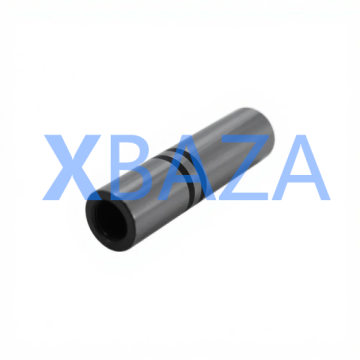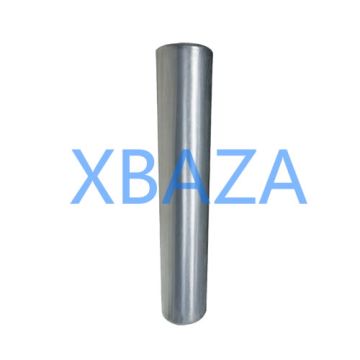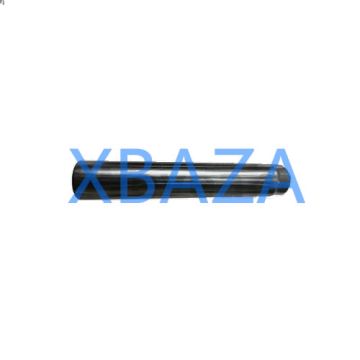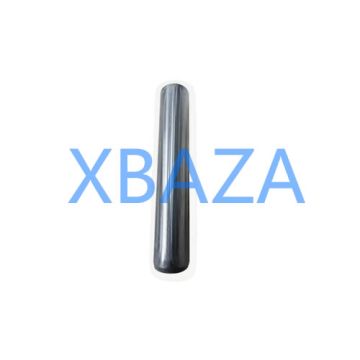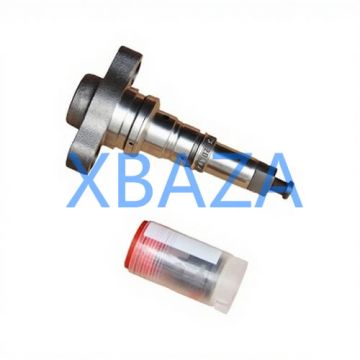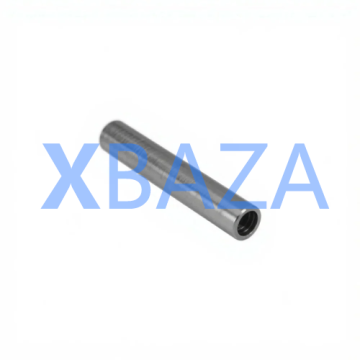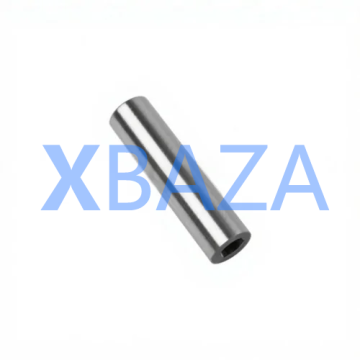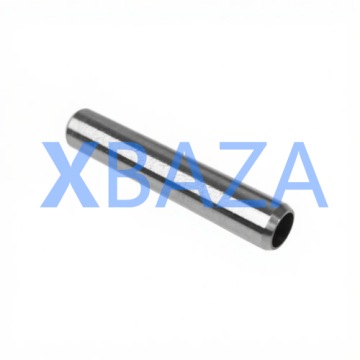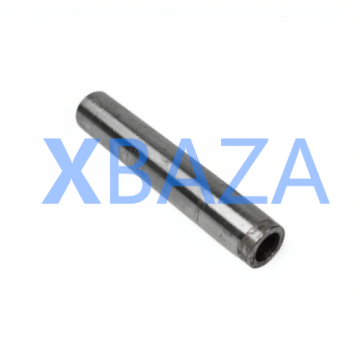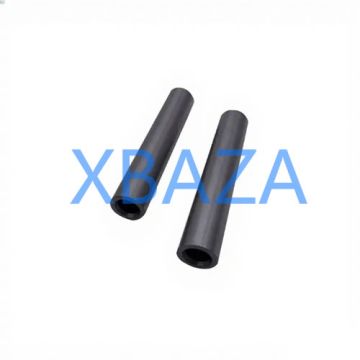










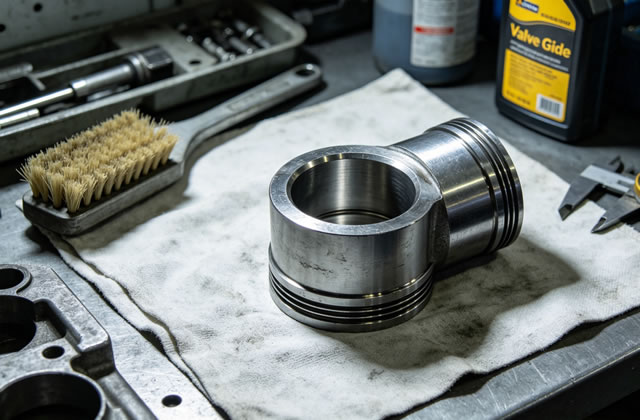
Valve guides are critical components in MWM diesel and gas engines, responsible for aligning intake and exhaust valves, ensuring proper sealing, heat dissipation, and smooth valve operation. A worn or damaged valve guide directly leads to poor engine performance, oil consumption, excessive noise, and premature failure of valves, seats, and seals. This comprehensive guide covers all aspects of MWM valve guide inspection, maintenance, repair, replacement, and post-installation testing for industrial, marine, and power generation MWM engine models.
1. Core Functions of MWM Valve Guides
- Precisely align intake and exhaust valves within the cylinder head
- Transfer heat from the valve stem to the cylinder head cooling system
- Prevent lateral movement of valve stems during engine operation
- Support valve seals to control engine oil consumption
- Reduce friction between valve stems and cylinder head bores
- Maintain compression and combustion efficiency in MWM engines
2. Common Failure Modes of MWM Valve Guides
Understanding failure causes helps prevent costly downtime and repeated repairs:
- Wear and Oversizing: Long-term friction causes excessive clearance between valve stem and guide
- Scoring/Galling: Lack of lubrication, contamination, or misalignment leads to surface damage
- Cracking/Breaking: Thermal stress, improper installation, or material fatigue
- Oil Contamination: Worn guides allow oil to enter combustion chambers
- Corrosion: Condensation, poor fuel quality, or harsh operating environments
- Misalignment: Improper machining or installation causes valve binding
3. Routine Preventive Maintenance for MWM Valve Guides
Regular maintenance extends service life and avoids unexpected failures:
3.1 Scheduled Inspection Intervals
- Heavy-duty engines: Inspect every 2,000 operating hours
- Marine/industrial engines: Inspect every 3,000–4,000 hours
- Gas generator engines: Inspect every 1,500 hours (higher thermal stress)
3.2 Daily/Weekly Maintenance Checks
- Monitor engine oil pressure and consumption rates
- Listen for abnormal valve train noise (ticking, rattling)
- Check exhaust smoke (blue smoke indicates oil burning from worn guides)
- Verify proper engine cooling system performance
3.3 Lubrication Best Practices
- Use only MWM-recommended engine oil with correct viscosity
- Replace oil and filters at factory-specified intervals
- Ensure oil flow to valve train components is unobstructed
- Avoid contaminated or degraded lubricants
4. Professional Inspection Procedure for MWM Valve Guides
4.1 Visual Inspection
- Check for cracks, chips, corrosion, or discoloration on guide surfaces
- Inspect valve stems for scoring, wear, or bending
- Examine valve seals for damage, hardening, or leakage
- Remove carbon deposits and inspect for abnormal buildup
4.2 Precision Clearance Measurement
Use micrometers and bore gauges to measure valve stem and guide inner diameter:
| Component | Measurement Tool | Acceptable Clearance (Typical MWM Specs) |
|---|---|---|
| Intake Valve Stem-Guide | Micrometer + Bore Gauge | 0.025 mm – 0.055 mm |
| Exhaust Valve Stem-Guide | Micrometer + Bore Gauge | 0.035 mm – 0.065 mm |
| Maximum Allowable Wear | Comparative Measurement | ≤ 0.08 mm (beyond = replacement) |
4.3 Functional Testing
- Check valve lateral movement (excessive play = worn guide)
- Test valve sliding motion (binding = misalignment or damage)
- Verify concentricity between valve stem and guide bore
5. MWM Valve Guide Repair Methods
5.1 Minor Repairs (Light Wear)
- Polish guide bores with fine abrasive tools to remove minor scoring
- Recondition valve stems with precision grinding
- Replace valve seals to restore oil control
- Clean and decarbonize valve train components
5.2 Over-Sizing & Knurling (Moderate Wear)
- Knurling: Deforms guide surface to restore clearance (temporary solution)
- Oversizing: Machine guide to larger diameter and install oversized valve
- Not recommended for high-load MWM engine applications
6. Full Valve Guide Replacement: Step-by-Step Procedure
Complete replacement ensures optimal performance and reliability for MWM engines:
6.1 Preparation
- Use genuine MWM valve guides or OEM-equivalent high-quality parts
- Gather tools: hydraulic press, reamers, driver tools, thermal oven
- Clean cylinder head thoroughly and remove old guides
6.2 Removal of Worn Guides
- Heat cylinder head evenly to 150°C to expand guide bores
- Press out old guides using a suitable driver tool
- Clean and inspect cylinder head bores for damage
- Machine bores if necessary for proper fitment
6.3 Installation of New MWM Valve Guides
- Cool new guides in a freezer (-18°C) for 2–3 hours (shrink fit)
- Heat cylinder head bores to 120–150°C
- Press guides into bores quickly and evenly
- Allow assembly to cool naturally to room temperature
- Ream guide bores to MWM-specified final dimensions
6.4 Final Machining
- Precision reaming to achieve correct stem clearance
- Deburr and polish guide tops and bottoms
- Verify alignment with valve seats
7. Post-Installation Testing & Verification
- Re-measure stem-guide clearance to confirm compliance with MWM specs
- Test valve movement for smooth operation (no binding)
- Perform leak-down testing to verify valve sealing
- Install new valve stem seals and reassemble valve train
- Adjust valve lash to MWM factory specifications
- Run engine and monitor for noise, smoke, and oil consumption
8. Long-Term Care Tips for MWM Valve Guides
- Always use genuine MWM replacement parts for maximum compatibility
- Avoid overheating engines to prevent thermal stress on guides
- Maintain clean air intake systems to reduce abrasive contamination
- Follow strict oil change intervals and use approved lubricants
- Train operators to recognize early warning signs of guide wear
- Document all maintenance and repairs for future reference
9. Troubleshooting Common Issues
| Symptom | Cause | Solution |
|---|---|---|
| Blue Exhaust Smoke | Worn guides/seals, oil entering combustion | Replace guides and valve seals |
| Excessive Valve Noise | Stem-guide clearance too large | Inspect and replace worn guides |
| High Oil Consumption | Worn valve guides or seals | Overhaul valve train components |
| Valve Sticking/Binding | Misalignment, scoring, or lack of lubrication | Replace guides and check alignment |
| Poor Compression | Worn guides causing valve misalignment | Full valve guide replacement |
Conclusion
MWM valve guides are essential for reliable engine operation, and proper maintenance directly impacts performance, efficiency, and service life. Routine inspections, prompt repairs, and professional replacement using genuine parts are the most effective ways to prevent costly failures. Always adhere to MWM engine manufacturer specifications for clearances, torque values, and service intervals to ensure optimal performance and maximum uptime for your MWM engine assets.
By following this comprehensive maintenance and overhaul guide, you can maintain peak performance, reduce operating costs, and extend the lifespan of MWM valve guides and entire engine systems.